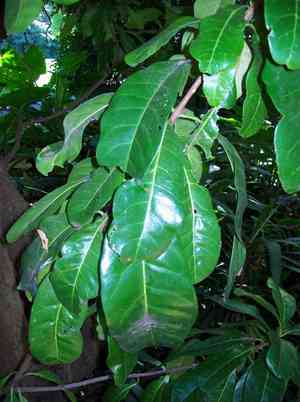
Lalaha (Planchonella obovata)
Also known as: Synsepalum obovatum, Sideroxylon obovatum
The berries of this plant are dark and oval-shaped, measuring around 1.2 cm in length when ripe. Inside each berry, there are several oval seeds. The berries are typically smooth and firm.
In This Article
Attributes of Lalaha
Lifespan
Perennial
Plant Type
Tree
Plant Height
40 m
Spread
6 to 10 meters
Leaf Color
Glossy green
Flower Size
6 mm
Flower Color
Yellow Green
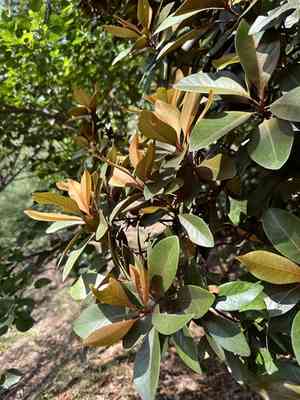
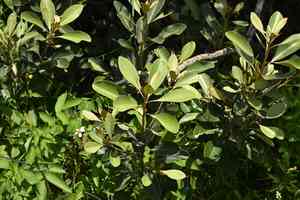
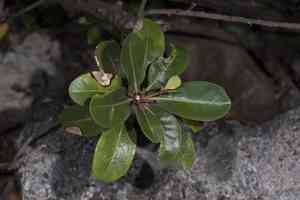
Images of Lalaha
Quickly Identify Lalaha
1
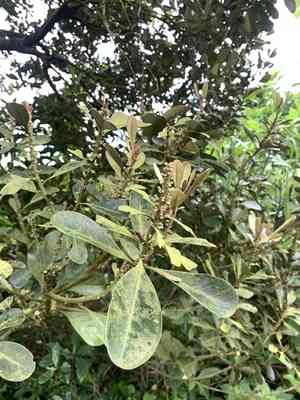
Planchonella obovata can be identified by its obovate leaves, usually measuring between 5-10 cm in length. The leaves are glossy and have a pronounced midrib. The flowers are small, white to yellowish in color, and grow in clusters.
Scientific Classification of Lalaha
Phylum
Vascular plants
Class
Dicotyledons
Order
Ericales
Family
Sapodilla
Genus
Planchonella
Species
Lalaha
Planting and Growing of Lalaha
Care Difficulty
Easy
Watering Schedule
Every 2 days
Sunlight Requirements
Partial sun
Sunshine Duration
4-8 hours
Ideal Temperature
70-85℉
Soil Type
Potting Mix, Peat Mix
Soil pH
6.5-7.5
Fertilizer Type
Balanced
Pruning Season
Spring, Summer
Pruning Area
Branches, Leaves
Pruning Frequency
2 times a year
Repotting Season
Spring
Pot Type
Plastic, Ceramic
 How to Water Lalaha?
For Planchonella obovata, a moderate watering approach is ideal. Ensure that each watering session provides approximately 250 milliliters of water. The key principle is to keep the soil evenly moist but not waterlogged. Water until the water starts to seep out of the drainage holes, indicating the soil has absorbed enough moisture.
What are the symptoms of an underwatered Lalaha?
›
What should I do if my Lalaha is not getting enough water?
›
What are the symptoms of an overwatered Lalaha?
›
How to save an overwatered Lalaha?
›
 What Are the Sunlight Requirements for Lalaha?
For optimal growth, Planchonella obovata benefits from an ideal light range of partial to full sun, encouraging vigorous growth, vibrant foliage, and increased photosynthetic efficiency.
More About Sunlight Requirements Techniques→
How much sunlight does Planchonella obovata ideally need?
›
What solutions exist to achieve ideal light conditions?
›
What are the benefits of ideal lighting?
›
 What Is the Ideal Temperature Range for Lalaha?
Planchonella obovata thrives best within a temperature range of 70°F to 85°F. This range ensures optimal growth and health for the plant, allowing it to flourish without the stress from extreme temperatures.
 What Soil is Best for Lalaha?
Planchonella obovata thrives in well-draining soil conditions. This ensures that the roots are not sitting in water, which can lead to root rot and other moisture-related issues. Well-draining soil promotes healthy root development and ensures the plant receives adequate oxygen. This plant prefers soil that is rich in organic matter, which provides essential nutrients for growth and development. Organic matter breaks down slowly, releasing nutrients over time, ensuring the plant has a steady supply of what it needs to flourish. The soil should ideally remain slightly moist but not waterlogged. Regular watering combined with good drainage maintains the perfect moisture balance, encouraging lush foliage and robust growth.
 How to Fertilize Lalaha?
For Planchonella obovata, it's important to use the right amount of fertilizer. In case of liquid fertilizer, apply approximately 200ml per plant per application. When using slow-release fertilizer, use about 50 grams per plant, ensuring it is evenly spread around the base without directly touching the stem.
 How to Prune Lalaha?
Start by removing any unhealthy branches using clean, sharp tools. Trim back to healthy wood. Next, shape the plant by cutting back overgrown areas, allowing light and air to reach inner leaves. Make cuts at 45-degree angles just above a node to encourage new growth. While pruning, always follow the plant’s natural growth pattern. Avoid excessive cutting which can harm the plant’s overall health. Keep some longer branches in the center to maintain its natural canopy.
More About Pruning Techniques→
 How to Propagate Lalaha plant?
1
Start by collecting mature seeds from the Planchonella obovata. Clean them thoroughly and soak them in water for 24 hours to improve germination rates by softening the seed coat.
2
Fill propagation trays with a well-draining seed-starting mix. Sow the seeds at a depth of 1-2 times their diameter. Mist the surface lightly to ensure they are moistened without becoming waterlogged.
3
Select healthy, semi-hardwood cuttings. Trim them to 4-6 inches in length, ensuring each has at least one node. Dip the cut end in rooting hormone to encourage root development.
 How to Repot Lalaha plant?
1
Observe for signals like roots growing out of the drainage holes, water not being absorbed properly, or slow growth. These indicate that Planchonella obovata requires a new pot with more room to expand.
2
Select a pot one size larger than the current one, ensuring it has drainage holes. This allows room for growth while preventing waterlogging, crucial for the plant's health.
3
Opt for a well-draining, organic-rich soil to ensure adequate moisture retention without waterlogging, thereby promoting strong root development and overall plant health.
Toxicity
Ingestion
WARNING
The judgment on toxicity and danger is for reference only. We DO NOT GUARANTEE any accuracy of such judgment. Therefore, you SHALL NOT rely on such judgment. It is IMPORTANT TO SEEK PROFESSIONAL ADVICE in advance when necessary.
Learn More About Lalaha Diseases
Anthracnose
Bacterial Leaf Spot
Bacterial Soft Rot
Bacterial Wilt
Black Spot
Chemical Injury
Crown Gall
Cyst Nematode
Damping-off
Downy Mildew
Drought Stress
Fusarium Wilt
Gray Mold
Leaf Curl
Leaf Spot
Mosaic
Nutrient Deficiency
Nutrient Toxicity
Powdery Mildew
Root Rot
Root-knot Nematode
Rusts
Sooty Mold
Spider Mites
Temperature Stress
Thrips Damage
White Mold



