How to Transplant Taiwanese cheesewood?
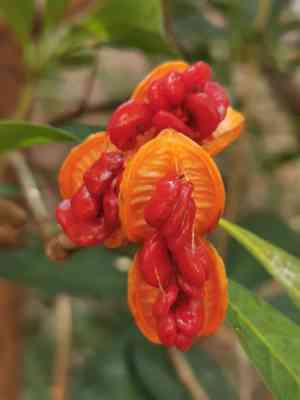
For the most successful relocation of taiwanese cheesewood, target the interval when spring flowers transition into the heat of summer. This duration encourages strong root development prior to the colder autumn. Choose a location where filtered sunlight replicates taiwanese cheesewood's native habitat, verifying that the soil drains effectively. Execute the transplanting process gently, being attentive to fragile roots.
What Preparations are Needed Before Transplanting Taiwanese Cheesewood?
What is the Ideal Time for Transplanting Taiwanese Cheesewood?
The optimal period for moving your taiwanese cheesewood is from late spring through mid-summer. This timeframe allows your taiwanese cheesewood ample opportunity to establish its root system in the warm, nourishing soil prior to autumn's arrival. Relocating taiwanese cheesewood during this active growth phase maximizes their chances of flourishing, as mild temperatures and consistent daylight offer prime conditions for root development. Furthermore, transplanting at this point reduces plant stress, fostering vigorous growth and vitality. This helpful guidance will set your taiwanese cheesewood on a path to lush, robust development.
How Much Space Should You Leave Between Taiwanese Cheesewood Plants?
When relocating taiwanese cheesewood, position each plant approximately 6-10 feet (1.8-3 meters) apart. This provides sufficient room for growth without crowding, ensuring adequate nutrient uptake and air circulation.
What is the Best Soil Mix for Taiwanese Cheesewood Transplanting?
For taiwanese cheesewood, select well-draining soil rich in organic matter. Before transplanting, incorporate a balanced, slow-release fertilizer to give your plants an excellent start. Aim for a pH between 6.0 and 7.0 for optimal development.
Where Should You Relocate Your Taiwanese Cheesewood?
Choose a location for your taiwanese cheesewood that receives full to partial sunlight. Approximately 6 hours of direct sun daily would be perfect to ensure your plants thrive. Avoid excessively shaded areas to keep your taiwanese cheesewood content and healthy.
What Equipments Should You Prepare Before Transplantation Taiwanese Cheesewood?
Gardening Gloves
To safeguard your hands while handling soil and plants.
Shovel or Spade
For excavating around and lifting the plant's root ball.
Pruning Shears
For trimming any compromised roots or branches.
Wheelbarrow or Plant Cart
To move the plant and root ball without causing harm.
Watering Can or Hose
For hydrating the plant before and after the relocation process.
Mulch
To aid in moisture retention and regulate soil temperature around the new planting site.
Measuring Tape
To ensure correct spacing between the newly transplanted taiwanese cheesewood and other vegetation.
How Do You Remove Taiwanese Cheesewood from the Soil?
How Do You Remove Taiwanese Cheesewood from the Soil?
From Ground: First, irrigate the taiwanese cheesewood plant to moisten the soil. Next, dig a wide trench around the plant using a shovel or spade, making sure the root ball stays intact. Gently work the spade beneath the root ball to lift the plant from its original spot.From Pot: Begin by thoroughly watering the taiwanese cheesewood to facilitate easy root ball removal. Then, tilt the container and carefully ease the plant out, supporting the stem and root ball with your hands.From Seedling Tray: Dampen the soil to simplify extraction. Use a gardening tool or spoon to carefully lift the taiwanese cheesewood seedling from its compartment, taking care not to harm the roots during the process.
Step-by-Step Guide for Transplanting Taiwanese Cheesewood
Preparation
Gather all necessary tools and prepare the new planting location for the taiwanese cheesewood in advance.
Root Ball Care
Water the taiwanese cheesewood at its current site a few hours before transplanting to minimize stress and hydrate the roots.
Excavation
Carefully dig out the taiwanese cheesewood from its original spot or container, preserving as much of the root system as possible.
Transportation
Place the taiwanese cheesewood's root ball on a wheelbarrow or plant cart for safe transport to the new location.
Planting Hole
Dig a hole that is twice as wide and the same depth as the root ball. Carefully position the taiwanese cheesewood into the hole, ensuring it stands upright and at the correct level.
Placement
Gently backfill the hole with soil, being careful not to overcompact, to ensure good soil contact with the roots.
Watering
Deeply water the taiwanese cheesewood to settle the soil and hydrate the roots. Avoid excessive watering, which can lead to root rot.
Mulching
Apply a layer of mulch around the base of the taiwanese cheesewood to maintain soil moisture and temperature.
How Do You Care For Taiwanese Cheesewood After Transplanting?
Monitoring
Regularly inspect the taiwanese cheesewood for indications of transplant shock, which may appear as wilting or yellowing foliage.
Pruning
Trim any broken or damaged branches to help the taiwanese cheesewood conserve energy and focus on establishing its roots in the new location.
Watering Regimen
Establish a consistent watering schedule to keep the soil around the taiwanese cheesewood moist, adjusting it based on weather conditions.
Supports
If the taiwanese cheesewood is tall or top-heavy, gently stake it to prevent wind damage and help the plant remain stable while it develops new roots.
Troubleshooting Common Issues with Taiwanese Cheesewood Transplantation.
What's the best time to transplant taiwanese cheesewood for optimal growth?
Ideally, relocate taiwanese cheesewood during late spring to early summer for the best establishment.
How often should I water taiwanese cheesewood after transplanting?
Water taiwanese cheesewood thoroughly immediately after transplanting, then regularly to keep the soil moist, not saturated.
How far apart should I space taiwanese cheesewood when transplanting?
Space taiwanese cheesewood 6-10 feet (1.8-3 meters) apart to ensure proper growth and air circulation.
What soil conditions are best for transplanting taiwanese cheesewood?
Plant taiwanese cheesewood in well-draining soil enriched with organic matter to promote healthy root development.
How deep should the hole be when transplanting taiwanese cheesewood?
Dig a hole twice the width and the same depth as the root ball of taiwanese cheesewood.
Can I use fertilizer when transplanting taiwanese cheesewood?
You can use a balanced, slow-release fertilizer after transplanting taiwanese cheesewood, following the manufacturer's instructions.
What are some signs of transplant shock in taiwanese cheesewood?
Signs of shock include wilting, yellowing leaves, or stunted growth. Minimize stress with consistent care.
How should I handle the roots when transplanting taiwanese cheesewood?
Gently tease out the roots of taiwanese cheesewood when transplanting to encourage outward growth.
What should I do if the leaves of taiwanese cheesewood start dropping after transplant?
Dropping leaves may signal stress; ensure proper watering, avoid over-fertilization and give taiwanese cheesewood time to recover.
Is it required to prune taiwanese cheesewood when transplanting?
Pruning isn't necessary during transplanting, but removing any damaged or dead branches can help taiwanese cheesewood.



