The Taiwanese cheesewood Plant Advantage: Maximizing Home and Office Appeal and Wellness
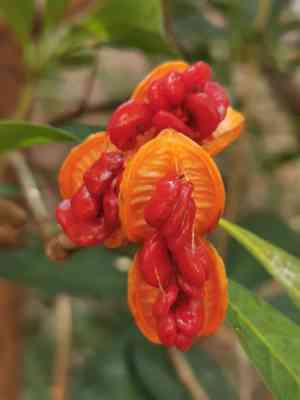
1
Taiwanese cheesewood is recognized for enhancing air quality through pollutant reduction and oxygen production.
2
This plant is robust, capable of withstanding diverse weather patterns.
3
Ideal for landscaping, providing both beauty and utility.
How Does Taiwanese cheesewood Improve Air Quality?
Reduces Pollutants
A key environmental advantage of Taiwanese cheesewood is its capacity to purify the air. This plant possesses inherent characteristics that enable it to absorb detrimental airborne contaminants like formaldehyde, xylene, and toluene. These pollutants are frequently found in household items and can negatively affect indoor air quality. By introducing Taiwanese cheesewood into your home, you can effectively diminish these undesirable chemicals, leading to fresher and healthier air for you and your household.
Increases Oxygen Levels
Taiwanese cheesewood also contributes to an elevation in oxygen levels within any indoor environment. Similar to other green plants, Taiwanese cheesewood performs photosynthesis, a process where it converts carbon dioxide into oxygen. This exchange results in heightened oxygen levels, making the air feel cleaner and more invigorating. Enhanced oxygen levels contribute to improved concentration, energy levels, and overall well-being.
Why Is Taiwanese cheesewood Ideal for Landscaping?
Hardiness and Resilience
Taiwanese cheesewood is particularly recognized for its robustness and ability to flourish in diverse conditions. Whether you experience intense summers or cold winters, this plant withstands various weather patterns. It doesn't demand extensive care or specific soil requirements, making it an excellent option for those who may not possess a green thumb. Its resilient nature ensures your garden remains lush and vibrant throughout the year.
Aesthetic Appeal and Versatility
Beyond its hardiness, Taiwanese cheesewood offers exceptional visual charm. With its rich green foliage and pleasant fragrance, it adds both visual and olfactory appeal to any setting. It's a adaptable plant that can be utilized in hedges, borders, or as individual decorative elements. Furthermore, its manageable height and dense leaves make it perfect for creating natural privacy screens, enhancing both the beauty and utility of your outdoor areas.
How to Care for and Maintain Taiwanese cheesewood?
Watering and Soil Requirements
Taiwanese cheesewood is relatively low-maintenance but does require some fundamental care to thrive. Although it is robust, the plant prefers well-draining soil to prevent root rot. Watering should be consistent yet moderate; the soil should be allowed to dry out between waterings to avoid over-saturation. Applying a balanced fertilizer during the growing season can also promote healthier development.
Pruning and Pests Management
Pruning is crucial to maintain the form and health of Taiwanese cheesewood. Regularly removing dead leaves and branches allows for improved air circulation and reduces the risk of disease. While this plant is generally pest-resistant, occasional issues with insects like spider mites or aphids can occur. Natural remedies such as neem oil or insecticidal soap can effectively control these pests without harming the plant.
What Are the Environmental Benefits of Taiwanese cheesewood?
Supporting Biodiversity
Taiwanese cheesewood can play a significant role in supporting local biodiversity. By providing natural habitat and food sources, it attracts a variety of beneficial insects and birds. These creatures contribute to a healthier ecosystem by pollinating plants and controlling pest populations. Thus, by planting Taiwanese cheesewood, you not only enhance your garden's beauty but also support environmental sustainability.
Erosion Control
The strong root system of Taiwanese cheesewood makes it an excellent plant for erosion control. In areas susceptible to soil erosion, its roots help anchor the soil, preventing it from being washed away by rain or irrigation. This characteristic makes Taiwanese cheesewood a valuable addition to landscapes that suffer from soil instability, contributing to healthier and more sustainable land management.



