How to Transplant Red pipturus?
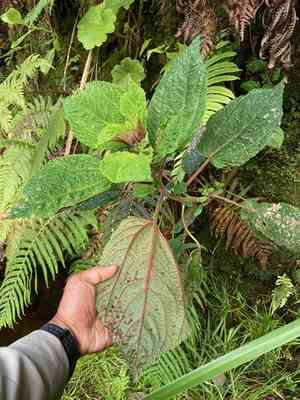
The ideal window for transplanting red pipturus spans from the beginning of early spring through the core of late spring, which guarantees peak development. Select a bright, adequately drained spot to encourage robust acclimation. Only move the plant when essential to prevent undue strain.
Essential Preparations Before Relocating Red Pipturus
Optimal Period for Relocating Red Pipturus?
Red pipturus, a perennial, thrives when moved from early to late spring. This timeframe provides ideal soil warmth and moisture, allowing roots to settle before summer heat. Transplanting then maximizes development, ensures a robust start to the growing season, and boosts the plant's health and output. Correct timing lessens transplant shock and promotes vigorous growth.
Required Spacing Between Red Pipturus Plants?
When preparing to move red pipturus, ensure each plant is spaced approximately 3-4 feet (0.9-1.2 meters) apart. This provides ample room for their growth and flourishing!
Ideal Soil Blend for Red Pipturus Relocation?
For red pipturus, prepare soil that drains well, either sandy or loamy. Enhance it with compost or a general-purpose base fertilizer to give your plant an excellent start.
Optimal Location for Your Red Pipturus?
Select a sunny spot for relocating red pipturus. This plant thrives in full sun to partial shade, so aim for at least 6 hours of daily sunlight.
Tools Required Before Relocating Red Pipturus?
Gardening Gloves
To safeguard your hands while handling soil and the plant.
Shovel or Spade
For excavating around the plant and preparing the new planting site.
Trowel
For delicate tasks around the root ball.
Watering Can or Hose
To hydrate the plant before and after its relocation.
Pruners
To trim any damaged roots or foliage.
Mulch
To aid in moisture retention around the plant post-relocation.
Stakes and Ties
To offer support to the plant if needed during its establishment in the new spot.
How to Extract Red Pipturus from the Ground?
How to Extract Red Pipturus from the Ground?
From Ground: First, moisten the red pipturus plant's soil. Then, dig a wide trench around the plant with a shovel or spade, ensuring the root ball remains intact. Carefully work the spade beneath the root ball to lift the plant from its original spot.From Pot: Water the red pipturus plant thoroughly several hours before relocating. Gently tip the pot sideways and slide the plant out, supporting the base with your hand. If necessary, gently tap the pot or loosen the soil edges with a trowel.From Seedling Tray: Water the seedlings a few hours before relocating. Use a trowel or your fingers to carefully lift each seedling from the tray, taking care not to harm the delicate roots.
Detailed Steps for Relocating Red Pipturus
Site Preparation
Dig a hole slightly larger than the red pipturus plant's root ball. Ensure the hole is deep enough for the roots to spread comfortably.
Adding Soil Enhancements
If needed, mix organic matter or compost into the soil to improve drainage and fertility.
Positioning the Plant
Gently place the red pipturus plant into the hole, ensuring it sits at the same depth as it was in its initial location. Adjust the soil beneath the root ball if necessary.
Backfilling
Gradually refill the hole with soil, gently firming it around the roots to remove air pockets. Ensure the plant remains upright and stable.
Watering
Thoroughly water the red pipturus plant to settle the soil around its roots. Ensure the water penetrates deep into the root zone.
Mulching
Apply a layer of mulch around the plant's base to help retain moisture and suppress weeds. Keep the mulch a few inches away from the stem to prevent rot.
Staking
If necessary, use stakes and ties to support the plant, ensuring it stays upright during establishment. Be careful not to tie the plant too tightly.
Post-Relocation Care for Red Pipturus
Watering
Keep the soil around the red pipturus consistently moist, but not waterlogged, for the initial weeks after relocation to aid in root establishment.
Monitoring
Regularly inspect the red pipturus for signs of stress, such as wilting or yellowing leaves, and adjust care as needed.
Weeding
Maintain the area around the red pipturus free of weeds to reduce competition for nutrients and water.
Pruning
Gently trim any damaged or dead leaves or branches to encourage healthy growth.
Protection
Provide shelter from harsh weather conditions, such as excessive rain or wind, until the plant is well established.
Resolving Common Issues with Red Pipturus Relocation.
When is the best time to relocate red pipturus?
Early to late spring is ideal for relocating red pipturus for optimal growth and establishment.
How close can I plant red pipturus?
Plant red pipturus 3-4 feet (90-120 cm) apart to ensure sufficient space for growth.
How should I prepare the soil for relocating red pipturus?
Amend the soil with organic compost for improved nutrient availability and better drainage.
What is the best way to water newly relocated red pipturus?
Water thoroughly after relocating, ensuring the soil stays moist but not saturated.
Should I fertilize red pipturus after relocating?
Wait a few weeks before fertilizing to prevent root burn and allow the plant to settle.
How do I handle root disturbance in red pipturus?
Minimize root disturbance by digging a generous root ball and handling it gently during relocation.
What should I do if red pipturus wilts after relocating?
Provide consistent watering and some shade to aid recovery from transplant shock.
How do I ensure proper drainage for red pipturus?
Ensure the planting site has well-draining soil or incorporate sand into heavy soils.
What type of mulch is best for red pipturus?
Use organic mulch like wood chips or straw to retain moisture and regulate soil temperature.
Can red pipturus be relocated if it's flowering?
It's best to relocate red pipturus before it starts flowering to reduce stress and ensure better establishment.



