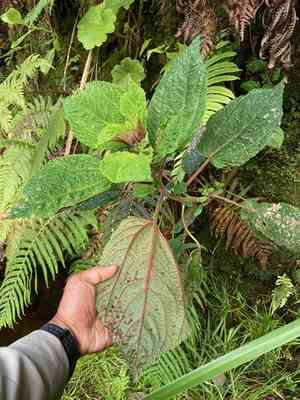
Red pipturus (Pipturus ruber)
Also known as: Māmaki, Red Mulberry
The red pipturus (Pipturus argenteus) is primarily found in Southeast Asia, including countries like Indonesia, the Philippines, and parts of Australia. It typically grows in tropical and subtropical forest environments. This plant is not considered rare and does not have a specific conservation status listed by major conservation organizations.
In This Article
Attributes of Red pipturus
Lifespan
Perennial
Plant Type
Shrub
Plant Height
2 to 5 meters (6.5 to 16.5 feet)
Spread
N/A
Leaf Color
Dark green (upper surface), Lighter green (lower surface)
Flower Size
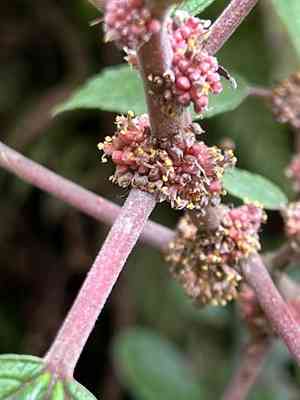
Small, less than 1 cm
Flower Color
White or Greenish
Images of Red pipturus
Quickly Identify Red pipturus
1
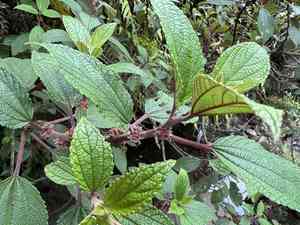
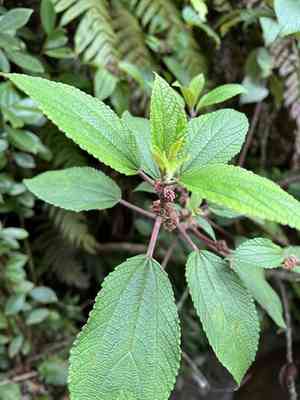
Pipturus ruber can be identified by its broad, ovate leaves with serrated edges and a rough texture. The leaves are typically dark green on the upper side and lighter below. The plant produces small, inconspicuous flowers that are either white or greenish in color. Its fruit are small and red when mature.
Scientific Classification of Red pipturus
Phylum
Vascular plants
Class
Dicotyledons
Order
Rosales
Family
Nettle
Genus
Pipturus
Species
Red pipturus
Planting and Growing of Red pipturus
Care Difficulty
Moderate
Watering Schedule
Every 2 days
Sunlight Requirements
Partial sun
Sunshine Duration
6-10 hours
Ideal Temperature
68-77℉
Soil Type
Potting Mix, Peat Mix
Soil pH
6-7.5
Fertilizer Type
Balanced
Pruning Season
Spring, Summer
Pruning Area
Branches, Leaves
Pruning Frequency
2 times a year
Repotting Season
Spring
Pot Type
Plastic, Ceramic
 How to Water Red pipturus?
Pipturus ruber requires watering of about 250 ml each time. Ensure the water soaks into the soil adequately without causing waterlogging. Allow excess water to drain out, making the soil evenly moist but not soggy.
What are the symptoms of an underwatered Red pipturus?
›
What should I do if my Red pipturus is not getting enough water?
›
What are the symptoms of an overwatered Red pipturus?
›
How to save an overwatered Red pipturus?
›
 What Are the Sunlight Requirements for Red pipturus?
Pipturus ruber thrives in partial sun to full sun conditions. Ideal lighting ensures healthy leaf development and contributes to robust overall plant health, supporting its growth and flowering capabilities.
What is the best lighting for Pipturus ruber?
›
How can you achieve the ideal lighting conditions?
›
What benefits does ideal lighting bring to Pipturus ruber?
›
 What Is the Ideal Temperature Range for Red pipturus?
The ideal temperature range for Pipturus ruber lies between 68°F and 77°F. This temperature facilitates optimal growth, encourages healthy foliage, and enhances the plant's natural adaptive mechanisms. Consistently maintaining this range ensures the plant is less stressed and more likely to thrive in its environment.
 What Soil is Best for Red pipturus?
Pipturus ruber flourishes in soils with excellent drainage. Proper drainage prevents root rot and helps the plant to absorb nutrients efficiently, ensuring optimal health. This plant requires soil rich in organic matter for sustained growth. Nutrients from organic material provide the necessary elements for lush foliage and flower production. While drainage is crucial, the soil should retain some moisture to prevent drought stress. Adequate moisture supports vigorous growth and enhances the plant’s natural immunity.
 How to Fertilize Red pipturus?
For Pipturus ruber, a general-purpose balanced fertilizer diluted to half strength is recommended, especially during the growing season. Use approximately 100-150 ml of diluted liquid fertilizer per plant to ensure sufficient nutrient supply.
 How to Prune Red pipturus?
Begin by examining the entire plant structure, identifying dead, damaged, or diseased branches that need removal. Look for crossing branches as well, which can rub against each other and cause wounds. Use sharp pruning shears to make clean cuts at a slight angle, which helps water runoff and minimizes damage. Target just above a leaf node to encourage new growth. To maintain an open, airy structure, thin out some interior branches, allowing light and air to penetrate. Shape the plant to your desired form without over-pruning, which can stress the plant.
 How to Propagate Red pipturus plant?
1
Select healthy stems from the Pipturus ruber and cut sections about 4-6 inches long. Remove the leaves from the bottom half to prevent decay when planting.
2
Collect mature seeds from the Pipturus ruber. Clean them to remove any pulp or debris. Place them in a seed tray filled with potting mix, ensuring they are evenly spaced.
3
Plant cuttings into a pot with moist potting soil. Lightly water the soil to settle the cuttings and seeds, maintaining even moisture without waterlogging.
 How to Repot Red pipturus plant?
1
Pipturus ruber shows signs it needs repotting when you notice roots circling the pot, slow growth, or water sitting on the top of the soil. Spring and summer are ideal seasons when the plant is actively growing and can recover faster from the stress of repotting.
2
Select a pot that is one size larger than the current one, with adequate drainage holes. This prevents waterlogging, ensuring sufficient aeration and room for roots to grow, promoting healthier and more robust plant development.
3
Opt for a well-draining potting mix that retains moisture yet allows excess water to flow through easily. A loamy soil mixed with sand or perlite ensures your plant receives the nutrients it needs without the risk of root rot.
Learn More About Red pipturus Diseases
Anthracnose
Bacterial Leaf Spot
Bacterial Soft Rot
Bacterial Wilt
Black Spot
Chemical Injury
Crown Gall
Damping-off
Downy Mildew
Drought Stress
Fusarium Wilt
Gray Mold
Leaf Curl
Leaf Spot
Mosaic
Nutrient Deficiency
Nutrient Toxicity
Powdery Mildew
Root Rot
Root-knot Nematode
Rusts
Sooty Mold
Spider Mites
Temperature Stress
Thrips Damage
White Mold



