How to Transplant Jamaican pepper?
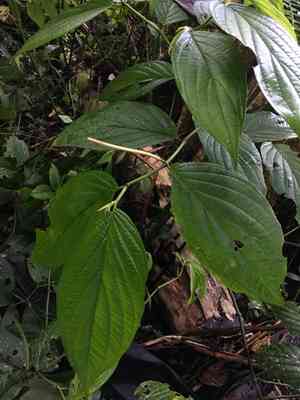
The most favorable period for relocating jamaican pepper is from the cooler part of early winter through the revitalization of mid-spring, which aids in root development. Choose a site that offers shade and features soil that drains effectively. Exercising care with the roots throughout the procedure is beneficial.
What Preparations are Needed Before Transplanting Jamaican Pepper?
What is the Ideal Time for Transplanting Jamaican Pepper?
For jamaican pepper, the optimal period for relocation spans from the start of winter through the middle of spring. This timing allows roots to settle before summer's heat.
How Much Space Should You Leave Between Jamaican Pepper Plants?
Hey there green thumb! For your jamaican pepper, allow them ample room to thrive by positioning them 36-60 inches apart (91-152 cm). This ensures each plant has sufficient area to expand and develop robustly.
What is the Best Soil Mix for Jamaican Pepper Transplanting?
To prepare an ideal bed for your jamaican pepper, blend your garden soil with organic compost for a nutrient-dense base. Incorporate a balanced, slow-release fertilizer to give your plants an excellent start in their new home!
Where Should You Relocate Your Jamaican Pepper?
Your jamaican pepper enjoys soaking up the sun's rays just like you do on a bright day! Select a location where they will receive partial to full sunlight. This sunny spot will help your plants flourish and yield their best.
What Equipments Should You Prepare Before Transplantation Jamaican Pepper?
Gardening Gloves
To safeguard your hands while handling soil and jamaican pepper.
Trowel
For excavating and carefully moving the jamaican pepper to its new site.
Watering Can
To hydrate the jamaican pepper both before and after its relocation.
Spade or Shovel
To extract the jamaican pepper from its current spot with minimal root disturbance.
Pruning Shears
For trimming any compromised roots or foliage prior to transplanting.
Wheelbarrow
To transport the jamaican pepper and soil to the new planting area.
Garden Hose with a Soft Spray Attachment
For gentle irrigation during the re-establishment phase.
Soil Amendment
As needed, to improve the planting site if the soil quality is subpar.
Mulch
To aid in retaining soil moisture and suppressing weeds around the newly planted area.
How Do You Remove Jamaican Pepper from the Soil?
How Do You Remove Jamaican Pepper from the Soil?
From Ground: Moisten the jamaican pepper plant to dampen the soil. Using a spade or shovel, dig a wide circle around the plant, being careful not to harm the root ball. Gently pry beneath the root ball and lift the plant from its spot.From Pot: Tilt the container and tap its sides to loosen the soil. Grasp the base of the jamaican pepper and carefully pull the plant while supporting the soil and roots, easing it out of the pot.From Seedling Tray: Water the tray to facilitate easier removal of the jamaican pepper. Use a trowel or your fingers to gently lift the plant from its individual cell, supporting the roots to prevent damage.
Step-by-Step Guide for Transplanting Jamaican Pepper
Preparation
Ensure all necessary tools are ready. Water your jamaican pepper thoroughly the day before transplanting.
Removal
Utilize the most suitable method from the 'removal process' section to carefully extract your jamaican pepper from its current location.
Transplant Hole
Excavate a hole in the ground where you intend to transplant the jamaican pepper. The hole should be twice the width of the root ball and of equal depth.
Plant Inspection
Examine the jamaican pepper's roots. Trim any damaged roots with pruning shears and untangle if required.
Placement
Position the jamaican pepper in the prepared hole, ensuring the top of the root ball is level with the surrounding soil surface.
Filling
Backfill the hole with soil, gently firming it down without compacting, to eliminate air pockets.
Watering
Water the jamaican pepper generously to settle the soil around the roots and to hydrate the plant.
Mulching
Apply a layer of mulch around the base of your jamaican pepper, leaving some space around the stem to prevent rot.
How Do You Care For Jamaican Pepper After Transplanting?
Regular Watering
Ensure the jamaican pepper receives sufficient moisture, particularly during the initial year post-transplant.
Mulch
Maintain the mulch layer to conserve soil moisture and safeguard the jamaican pepper's roots.
Pruning
Snip off dead or damaged stems to encourage healthy growth and improve air circulation.
Support Structures
If necessary, provide stakes or trellises for the jamaican pepper to climb as it matures.
Monitoring
Keep a close watch for signs of stress, such as wilting or discolored leaves, and take appropriate action.
Troubleshooting Common Issues with Jamaican Pepper Transplantation.
When is the best time to transplant jamaican pepper for optimal growth?
The ideal transplanting period for jamaican pepper is from early winter to mid-spring, allowing for root establishment.
How far apart should I space jamaican pepper when transplanting?
Space jamaican pepper 36-60 inches (91-152 cm) apart. Proper spacing ensures adequate air circulation and growth room.
Why are my jamaican pepper's leaves wilting after transplant?
Wilting may indicate transplant shock. Keep the soil moist and provide shade for a few days to recover.
What size should the planting hole for jamaican pepper be?
Dig a hole twice as wide and the same depth as the rootball, providing space without burying the stem too deep.
Can I transplant jamaican pepper on a hot, sunny day?
Transplant jamaican pepper on cloudy days or late in the afternoon to reduce stress from heat and sun exposure.
How do I know if jamaican pepper needs water after transplanting?
Check soil moisture 2 inches (5 cm) deep. If dry, water gently until soil around the roots is moist.
What type of soil is best for transplanting jamaican pepper?
Use well-draining soil rich in organic matter to provide jamaican pepper with a healthy growing environment.
Should I fertilize jamaican pepper immediately after transplanting?
Avoid fertilizing right after transplanting to prevent root burn. Wait until jamaican pepper shows new growth.
How much should I water jamaican pepper post-transplant?
Initially, water deeply to settle the soil, then maintain consistent moisture, especially in the first few weeks.
What should I do if jamaican pepper shows no new growth after transplant?
Be patient; it may be establishing roots. Ensure it's getting enough water and check for signs of pests or diseases.



