How to Prune Jamaican pepper?
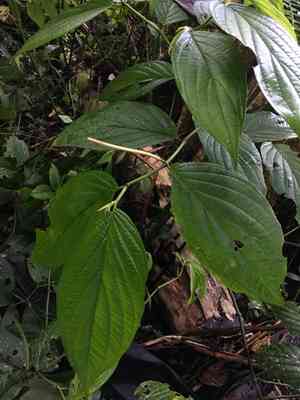
A sturdy bush renowned for its strong fragrance, jamaican pepper flourishes with regular trimming. The perfect period for pruning is winter, while the plant is inactive, to stimulate strong spring development and preserve its form. Reducing crowded sections improves air movement, deterring ailments. Eliminate deceased or compromised limbs to boost the plant's well-being. Pruning incisions ought to be neat and slanted to prevent moisture buildup, which might cause decay. Consistent trimming offers advantages such as improved pest control and richer foliage.
What Are the Benefits of Pruning Jamaican Pepper?
What Are the Benefits of Pruning Jamaican Pepper?
Trimming jamaican pepper promotes robust development and assists in maintaining its desired form. This practice ensures the plant stays vigorous, enhances air circulation, and can result in a more attractive specimen.
What Is the Best Time for Pruning Jamaican Pepper?
What Is the Best Time for Pruning Jamaican Pepper?
The optimal period for pruning or trimming jamaican pepper is during winter. This timing is considered ideal because jamaican pepper is typically inactive in colder months, reducing plant stress and minimizing sap loss that can occur during active growth. Winter pruning allows the plant to focus energy on healing cuts and leads to vigorous growth in the subsequent spring. It also offers a chance to remove any frost-damaged or diseased branches, improving jamaican pepper's overall health and appearance. Additionally, since jamaican pepper may have a flowering or fruiting cycle in other seasons, winter pruning ensures this cycle is not disrupted and the next season's yield is not negatively impacted.
What Tools Do I Need to Prune Jamaican Pepper?
Hand Pruners
Perfect for cutting through stems and small branches of jamaican pepper, typically under 3/4 inch thick. They enable precise cuts, fostering healthy plant growth and maintaining the desired shape.
Loppers
Best for reaching deeper or higher into the plant to remove larger stems or branches, up to 2 inches in diameter. The long handles provide leverage, simplifying the cutting of thicker growth without harming the plant.
Pruning Saw
Essential for removing larger branches exceeding 2 inches in thickness. The saw can cleanly cut through dense growth while minimizing stress on jamaican pepper.
Shears
Useful for trimming and shaping the denser foliage of jamaican pepper, shears allow for quick and even cutting across a larger area of growth.
Gloves
Though not a pruning tool itself, gloves protect hands from scratches and any potential skin irritants in jamaican pepper's foliage.
How to Prune Jamaican Pepper
Clean tools
Sanitize your pruning shears or scissors with alcohol to prevent disease transmission when cutting jamaican pepper.
Remove withered leaves
Carefully snip off dried leaves at their base where they meet the stem to enhance air circulation and overall plant health of jamaican pepper.
Eliminate dead branches
Cut dead branches back to their origin point or to the nearest live lateral branch, ensuring not to damage the bark of the remaining healthy parts of jamaican pepper.
Prune diseased branches
Identify and remove any infected branches by cutting them several inches into healthy tissue to stop the spread of infection in jamaican pepper.
Disinfect after pruning
After pruning, clean your tools again and dispose of all removed debris to prevent reinfection or attracting pests to jamaican pepper.
Common Pruning Mistakes with Jamaican Pepper
Over-pruning
Removing too much foliage at once can stress jamaican pepper, potentially leading to stunted growth or an unhealthy plant.
Improper cutting technique
Using a dull tool or making jagged cuts can cause unnecessary damage to jamaican pepper's stems, potentially allowing infections to occur.
Neglecting tool sanitation
Failing to clean and sterilize tools before use may spread pathogens from plant to plant, risking the health of jamaican pepper.
Pruning healthy growth
Inexperienced gardeners sometimes mistake healthy growth for unnecessary or undesirable parts of jamaican pepper, resulting in the removal of beneficial plant sections.
Disregarding plant structure
Without paying attention to jamaican pepper's natural shape, a gardener may cut the wrong branches, which can lead to poor plant form and growth patterns.
Common Pruning Tips for Jamaican Pepper
Sharp tools
Always use sharp, clean pruning shears to make clean, precise cuts on jamaican pepper, which aids in quick recovery.
Protective cuts
To encourage proper healing, cut just above a leaf node or bud on jamaican pepper, ensuring the cut is at a 45-degree angle to prevent water from collecting on the surface.
Selective thinning
Remove only the inner branches of jamaican pepper that are dead, diseased, or crossing over, to improve light penetration and air circulation.
Pruning for shape
Lightly shape jamaican pepper by pruning back to a lateral branch or leaf node, which can also serve to encourage bushier growth.
Disinfection of tools
Reduce the risk of spreading diseases by disinfecting your tools with a solution of bleach and water before moving on to the next plant after pruning jamaican pepper.



