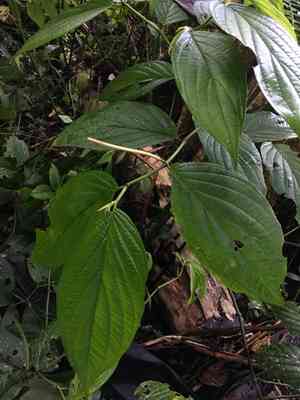
Jamaican pepper (Piper hispidum)
Also known as: Hairy Pepper
The Jamaican pepper plant, also known as allspice (Pimenta dioica), is widely used for its medicinal benefits, including relief from indigestion, gas, pain, and muscle aches. It has anti-inflammatory and analgesic properties. However, caution is advised as it contains safrole, a volatile oil that can be toxic in large amounts. Always seek medical advice before using it, particularly if you are pregnant or have pre-existing health conditions.
In This Article
Attributes of Jamaican pepper
Lifespan
Perennial
Plant Type
Shrub
Plant Height
3 m
Spread
1 to 1.5 meters
Leaf Color
Green
Flower Size
2 mm to 3 mm
Flower Color
Green
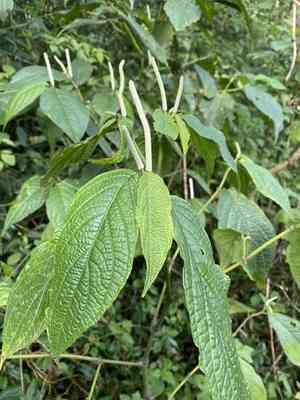
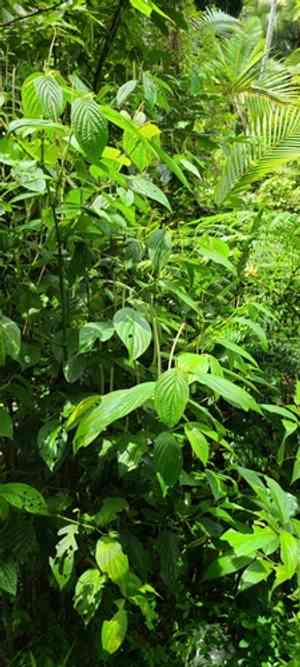
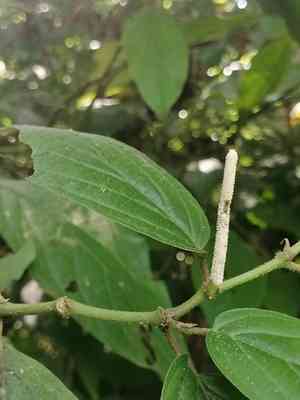
Images of Jamaican pepper
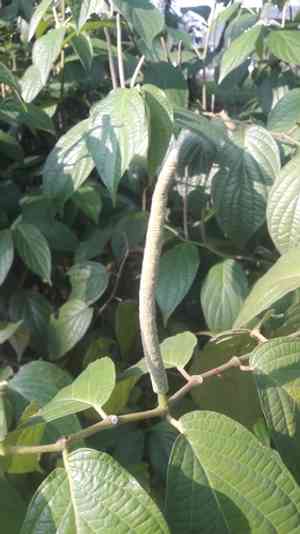
Quickly Identify Jamaican pepper
1
Piper hispidum can be identified by its hairy stems and leaves, which have a rough texture. The leaves are typically green, ovate, and bear a distinctive peppery aroma when crushed.
Scientific Classification of Jamaican pepper
Phylum
Vascular plants
Class
Dicotyledons
Order
Piperales
Family
Pepper
Genus
Pepper plants
Species
Jamaican pepper
Planting and Growing of Jamaican pepper
Care Difficulty
Easy
Watering Schedule
Every 4 days
Sunlight Requirements
Partial sun
Sunshine Duration
4-6 hours
Ideal Temperature
70-85℉
Soil Type
Potting Mix, Peat Mix
Soil pH
6.5-7.5
Fertilizer Type
Balanced
Pruning Season
Spring, Summer
Pruning Area
Branches, Leaves
Pruning Frequency
2 times a year
Repotting Season
Spring
Pot Type
Plastic, Ceramic
 How to Water Jamaican pepper?
When watering Piper hispidum, aim to thoroughly moisten the soil but not to the point of saturation. Ideally, give it about 250 ml of water per session, ensuring water flows smoothly through the pot’s drainage holes, allowing excess water to escape without keeping the soil soggy. This balance ensures the roots have enough moisture without drowning, fostering robust growth and vibrant, lush foliage.
What are the symptoms of an underwatered Jamaican pepper?
›
What should I do if my Jamaican pepper is not getting enough water?
›
What are the symptoms of an overwatered Jamaican pepper?
›
How to save an overwatered Jamaican pepper?
›
 What Are the Sunlight Requirements for Jamaican pepper?
Partial sun exposure is ideal for Piper hispidum. This light condition supports robust growth, enabling the plant to produce abundant and healthy leaves while maintaining strong stems. Adequate light ensures optimal photosynthesis efficiency and vitality.
More About Sunlight Requirements Techniques→
How much sunlight does Piper hispidum need?
›
What can happen if it doesn’t get enough light?
›
How can I ensure it gets the right light conditions?
›
 What Is the Ideal Temperature Range for Jamaican pepper?
Piper hispidum thrives best in a warm environment, with ideal temperatures ranging from 70°F to 85°F. This temperature range supports optimal growth and health, ensuring that metabolic processes like photosynthesis occur efficiently.
 What Soil is Best for Jamaican pepper?
Piper hispidum thrives in well-drained soil that prevents waterlogging, which can cause root rot. Good drainage is crucial for the plant’s root health and overall vitality. This plant benefits from soil that is rich in organic matter, ensuring ample nutrients for robust growth. Nutrient-rich soil provides essential elements that bolster the plant’s resilience against pests and diseases. A soil that retains moderate moisture but doesn't become soggy is ideal. This balance helps maintain adequate hydration for optimal growth without the risk of root disease.
 How to Fertilize Jamaican pepper?
For Piper hispidum, the ideal fertilizer amount involves using a dilute solution, particularly for liquid fertilizers. Use a balanced liquid fertilizer with a ratio such as 10-10-10 or 20-20-20 at a quarter of the recommended strength, ensuring the plant receives nutrients without risk of root burn.
 How to Prune Jamaican pepper?
Begin by using sharp, sterilized pruning shears to remove any dead or diseased branches. Aim to retain the naturally bushy shape of Piper hispidum by trimming the longer branches back to the main stem or just above a leaf node. Regularly pinch back the growing tips to encourage a fuller plant. Focus on shaping the plant rather than drastically cutting it back, as this promotes continuous growth and healthy leaf production.
More About Pruning Techniques→
 How to Propagate Jamaican pepper plant?
1
Choose a mature and disease-free plant to ensure the best characteristics in the offspring. This parent should exhibit vigorous growth and resilience to provide high-quality material for propagation.
2
Use a well-draining mixture composed of peat, perlite, and vermiculite. Ensuring the medium retains some moisture but drains excess water is critical in preventing root rot and encouraging optimal root growth.
3
Seeds or prepared cuttings should be planted at an appropriate depth. Ensure that they are sufficiently spaced to avoid root competition and receive adequate light for germination and growth.
 How to Repot Jamaican pepper plant?
1
Piper hispidum typically needs repotting when you notice roots peeking out from the drainage holes or circling on the soil surface. This indicates the root system has exhausted space in its current pot, limiting the plant's growth. It is best to repot during the growing season when the plant can quickly adapt to new conditions.
2
Select a pot that is 1-2 inches larger in diameter than the current one. This ensures adequate space for root expansion without overstimulating with too much soil, which can lead to water retention issues. Terra cotta pots are an excellent choice for promoting air circulation and assisting in moisture management, preventing root rot.
3
Opt for a rich, well-draining potting mix. A soil blend with components like peat, perlite, and a bit of bark mulch ensures adequate aeration and moisture retention. The benefits include healthy root growth, balanced hydration, and reduced risks of fungal infections, thereby promoting robust plant health.
Learn More About Jamaican pepper Diseases
Anthracnose
Bacterial Leaf Spot
Bacterial Soft Rot
Bacterial Wilt
Damping-off
Downy Mildew
Drought Stress
Fusarium Wilt
Gray Mold
Leaf Curl
Leaf Spot
Mosaic
Nutrient Deficiency
Nutrient Toxicity
Powdery Mildew
Root Rot
Root-knot Nematode
Sooty Mold
Spider Mites
Temperature Stress
Thrips Damage
White Mold



