How to Transplant Aleppo pine?
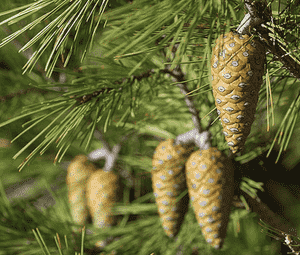
The optimal period for transplanting aleppo pine is at the beginning of the warm season, immediately following the last frost. Select a location that receives ample sunlight and has soil that drains effectively. During the transfer process, guarantee minimal disturbance to the root system to facilitate successful establishment.
What Preparations are Needed Before Transplanting Aleppo Pine?
What is the Ideal Time for Transplanting Aleppo Pine?
Early spring, specifically its initial stages, presents an excellent window for relocating aleppo pine. This period facilitates strong root development prior to the summer heat. Moving aleppo pine as spring begins allows them to leverage the start of the growing season, fostering vigorous growth and resilience. Thoroughly preparing the new site beforehand, considering soil quality and sun exposure, will ease the transition for aleppo pine. Performing this during spring's mild weather enables roots to strengthen, ensuring a smooth adaptation to their new surroundings. A helpful tip â this careful preparation and precise timing lead to a healthy, flourishing aleppo pine!
How Much Space Should You Leave Between Aleppo Pine Plants?
When relocating your aleppo pine, it's crucial to provide ample room for expansion. An optimal distance between each plant is approximately 30-40 feet (9-12 meters). This guarantees sufficient space for robust development.
What is the Best Soil Mix for Aleppo Pine Transplanting?
For your aleppo pine, well-draining soil is ideal. Incorporating a foundational fertilizer like compost will enrich the soil and encourage growth. Always prepare the soil before planting for optimal outcomes.
Where Should You Relocate Your Aleppo Pine?
Your aleppo pine thrives in sunlight! Select a spot that receives abundant sun exposure throughout the day. Remember, more sunlight leads to a healthier plant.
What Equipments Should You Prepare Before Transplantation Aleppo Pine?
Shovel or Garden Spade
You'll need this tool to excavate the aleppo pine from its current spot and to create a new hole at its destination.
Gardening Gloves
To safeguard your hands while handling the soil and plant material.
Pruning Shears
Pruning shears will be useful for trimming any damaged roots or branches.
Wheelbarrow or Bucket
For moving the aleppo pine from its original location to the new planting site.
Hose or Watering Can
For hydrating the aleppo pine both before and after its relocation.
Burlap
If the aleppo pine is large, burlap can be utilized to wrap and support the root ball during transit.
How Do You Remove Aleppo Pine from the Soil?
How Do You Remove Aleppo Pine from the Soil?
From Ground: Before extracting the aleppo pine from its initial position, water it to moisten the soil. Dig a broad, shallow trench around the aleppo pine using a shovel or garden spade. Ensure enough space to avoid harming the root ball. Once a wide trench is made, carefully slide the spade beneath the root ball, taking care not to damage the roots. Gently lift the aleppo pine from its cavity.From Pot: If your aleppo pine resides in a pot, watering the plant beforehand will facilitate the transfer. Turn the pot sideways, hold the plant gently, and tap the rim against a firm surface. This action will loosen the aleppo pine and its root ball, allowing it to slide out easily.From Seedling Tray: If your aleppo pine is in a seedling tray, employ a small, flat implement to lift the plant and its root ball from the cell, being cautious not to tear or injure the roots during the process.
Step-by-Step Guide for Transplanting Aleppo Pine
Preparation
Start by ensuring the new planting location is ready. The new cavity should be twice the width of the aleppo pine's root ball, but no deeper. The ground at the base of the hole should be firm to prevent the tree from sinking.
Transplanting the aleppo pine
Carefully position the aleppo pine into the hole, making sure it stands upright. The top of the root ball should be flush with the ground level.
Refill the Hole
Backfill the cavity with native soil, gently pressing down to eliminate large air pockets.
Watering
After planting, water the aleppo pine generously, ensuring the soil settles around the roots. Watering will also help alleviate transplant shock.
How Do You Care For Aleppo Pine After Transplanting?
Staking
In exposed areas, consider supporting the aleppo pine with stakes for the initial year to prevent it from being dislodged by strong winds.
Mulching
Apply a three-inch layer of mulch around the base of the aleppo pine, but not touching the trunk, to conserve moisture and suppress weeds.
Careful Pruning
If the aleppo pine loses a significant portion of its roots during the transplant, consider trimming the foliage to compensate.
Watering
A consistent watering regimen is vital after relocation. Keep the soil moist, but not waterlogged.
Monitoring
Observe the aleppo pine closely for indications of transplant shock, such as wilting or yellowing leaves. If these signs appear, reduce sun exposure and increase watering.
Troubleshooting Common Issues with Aleppo Pine Transplantation.
When is the best time to transplant aleppo pine?
The optimal period to move aleppo pine is from late winter to early spring (S1-S2). This allows ample time for root establishment before the summer heat.
How much space is needed when transplanting aleppo pine?
It's advisable to maintain a distance of approximately 30-40 feet (9-12 meters) between each aleppo pine. This provides each tree sufficient room to mature without competing for resources.
What are the steps to transplant aleppo pine?
First, prepare the new planting hole, making it deeper and wider than the root ball. Then, carefully lift the aleppo pine, keeping its roots intact. Place it in the hole, backfill with soil, and water thoroughly.
How to take care of aleppo pine after transplanting?
After relocating, ensure regular watering of aleppo pine until it shows signs of settling in. Avoid immediate fertilization; you can begin feeding after one year.
What kind of soil does aleppo pine need for successful transplantation?
Aleppo pine thrives in well-drained soil. Enriching the planting hole with organic matter, such as compost, can enhance the soil's fertility and water retention capabilities.
My transplanted aleppo pine looks stressed, what can I do?
Post-transplant stress in aleppo pine can stem from harsh weather, insufficient watering, or pests. Provide ample water, shield from extreme temperatures, and check for pest infestations.
Should I prune aleppo pine before transplantation?
Pruning is not required before relocating aleppo pine. However, any damaged or diseased branches should be removed to prevent further stress to the tree.
Why is the use of root stimulants important when transplanting aleppo pine?
Root stimulants supply essential hormones that encourage root growth in aleppo pine, promoting better establishment and reducing plant shock after relocation.
What depth should I plant aleppo pine during transplantation?
When relocating aleppo pine, ensure the top of the root ball is level with or slightly above the ground surface. Planting too deeply can lead to root issues.
What should I do if my transplanted aleppo pine shows no growth?
Be patient, aleppo pine may require time to establish and exhibit new growth after relocation. Ensure correct planting depth, adequate watering, and protection from severe weather conditions.



