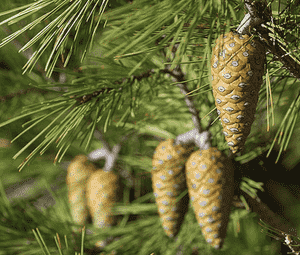
Aleppo pine (Pinus halepensis)
Also known as: Aleppo Pine, Jerusalem Pine
The Aleppo pine (Pinus halepensis), native to the Mediterranean region, was historically tapped for its resin. This resin was utilized to create airtight seals on wine casks, helping to preserve the wine and also imparting a distinctive resinous flavor and aroma.
In This Article
Attributes of Aleppo pine
Lifespan
Perennial
Plant Type
Tree
Plant Height
15 m to 25 m
Spread
6 m to 12 m
Leaf Color
Green Yellow
Flower Size
2 cm to 3 cm
Flower Color
N/A
Images of Aleppo pine
Quickly Identify Aleppo pine
1
To identify Pinus halepensis, look for needle-like leaves in pairs, a greyish-brown bark that becomes wrinkled and furrowed with age, and cones that are asymmetrical and roughly 6-12 cm long.
Scientific Classification of Aleppo pine
Phylum
Vascular plants
Class
Conifers
Order
Pinales
Family
Pine
Genus
Pines
Species
Aleppo pine
Planting and Growing of Aleppo pine
Care Difficulty
Easy
Watering Schedule
Every 2 days
Sunlight Requirements
Full sun
Sunshine Duration
4-8 hours
Ideal Temperature
59-77℉
Soil Type
Potting Mix, Peat Mix
Soil pH
6.5-7.5
Fertilizer Type
Balanced
Pruning Season
Spring, Summer
Pruning Area
Branches, Leaves
Pruning Frequency
2 times a year
Repotting Season
Spring
Pot Type
Ceramic, Plastic
 How to Water Aleppo pine?
When watering Pinus halepensis, ensure that each watering session saturates the soil with approximately 500 ml of water. This amount is generally sufficient to reach the deeper roots without waterlogging the plant. Consistent moisture is essential, but overwatering should be carefully avoided.
More About Watering Techniques→
What are the symptoms of an underwatered Aleppo pine?
›
What should I do if my Aleppo pine is not getting enough water?
›
What are the symptoms of an overwatered Aleppo pine?
›
How to save an overwatered Aleppo pine?
›
 What Are the Sunlight Requirements for Aleppo pine?
Pinus halepensis thrives in full sun, benefitting from at least 10 hours of sunlight daily, ensuring optimal growth and robust health with vibrant needles.
More About Sunlight Requirements Techniques→
How much sunlight does Pinus halepensis need?
›
What measures can ensure ideal sunlight exposure?
›
What are the benefits of ideal sunlight for this plant?
›
 What Is the Ideal Temperature Range for Aleppo pine?
The ideal temperature range for cultivating Pinus halepensis is between 59°F and 77°F. This range ensures that the plant receives enough warmth for optimal metabolic activity and growth. Maintaining this range mimics its native Mediterranean climate and supports proper physiological processes.
 What Soil is Best for Aleppo pine?
Pinus halepensis thrives in well-drained soils that prevent waterlogging, ensuring oxygen-rich conditions for root health and preventing root rot. This species can handle nutrient-poor soils, which reduces competition for nutrients and supports growth in naturally scarce environments, leveraging its adaptability. Adapting to dry soils, Pinus halepensis efficiently utilizes water, making it ideal for areas with irregular rainfall, contributing to its resilience against droughts.
More About Soil→
 How to Fertilize Aleppo pine?
Pinus halepensis, also known as the Aleppo Pine, requires a balanced approach when it comes to fertilization. Typically, apply a balanced 10-10-10 NPK fertilizer. For young trees, 1 pound per year of age, up to a maximum of 10 pounds annually is sufficient. It's important to fertilize sparingly to avoid nutrient burn, ensuring the tree receives just enough nutrients to thrive without overstimulation.
 How to Prune Aleppo pine?
Begin by assessing the overall structure of Pinus halepensis to identify dead or overcrowded branches. Use sharp, clean pruning shears to make clean cuts at a slight angle just above healthy buds or branch intersections. Focus on opening up the tree's interior to improve airflow and light penetration. Avoid topping the tree as this can lead to weak branch structure.
More About Pruning Techniques→
 How to Propagate Aleppo pine plant?
1
Collect seeds from mature cones in autumn. Allow the cones to dry, which encourages them to open and release seeds. Separated seeds should be stored in a cool, dry place until ready for planting in spring.
2
Prepare a well-draining substrate composed of sand and perlite or a specialized seed-starting mix. This ensures proper aeration and moisture retention for seed germination, preventing fungal growth.
3
Plant seeds at a depth of one inch and keep the substrate moist but not waterlogged. Provide indirect sunlight and maintain temperatures between 18°C to 24°C to facilitate germination and early growth.
 How to Repot Aleppo pine plant?
1
For Pinus halepensis, the perfect signals for repotting include slow growth and visible roots emerging from the drainage holes. Typically, it's best to repot in spring or autumn to minimize stress.
2
Select a pot that is at least 2 inches wider in diameter than its current one. Ensure it has ample drainage holes, as this will help prevent waterlogging, which is critical for the pine's roots.
3
Opt for a well-draining sandy loam that replicates its natural rocky soil. This ensures good root aeration and prevents water from pooling around the roots, which could lead to rot.



