How to Prune Aleppo pine?
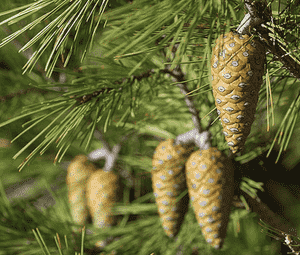
Originating from the Mediterranean region, Pinus halepensis is a hardy evergreen recognized for its ability to withstand arid conditions and high temperatures. Trimming efforts should concentrate on excising deceased or compromised limbs, reducing density to foster better air movement, and sculpting for visual appeal or structural integrity. The most suitable time for pruning is during the winter season when the tree is inactive. Pruning boosts vitality, lowers the likelihood of illness, and can stimulate more vigorous development. It is essential to refrain from cutting into mature wood where fresh growth is scarce.
Advantages of Trimming Aleppo Pine
Advantages of Trimming Aleppo Pine
Trimming aleppo pine is crucial for sustaining its vitality and desired form. By eliminating old or weak branches, aleppo pine can direct energy towards more robust development, thereby improving its shape and structural soundness.
Optimal Time for Trimming Aleppo Pine
Optimal Time for Trimming Aleppo Pine
Trimming aleppo pine in late winter coincides with the plant's dormant period, just before spring growth commences. This timing minimizes the risk of pest and disease infestation as wounds heal rapidly with the onset of new growth. It also enables gardeners to remove any winter damage without affecting new shoots, ensuring the overall health and structural integrity of aleppo pine. Avoiding active growth months prevents undue stress on aleppo pine and ensures it retains stored energy for growth and reproduction.
Necessary Tools for Trimming Aleppo Pine
Hand Pruners
Perfect for removing small branches and twigs from aleppo pine, essential for maintaining tree structure and eliminating damaged or diseased wood.
Loppers
Suitable for cutting through thicker branches of aleppo pine, typically up to 2 inches in diameter, providing greater leverage and reach for canopy shaping.
Pruning Saw
Indispensable for larger branches of aleppo pine, with a blade designed for wood over 2 inches thick, offering the power needed for clean cuts without harming the tree.
Pole Pruner
Beneficial for reaching higher branches of aleppo pine without a ladder, ensuring safety and precision when trimming taller specimens.
Chainsaw
For significant trimming tasks on aleppo pine, including the removal of large branches or limbs, and should be used with caution and appropriate safety gear.
How to Trim Aleppo Pine
Sanitize
Before trimming aleppo pine, thoroughly clean and disinfect your pruning tools to prevent disease transmission.
Dead Branches
Identify and remove dead branches from aleppo pine by cutting at a slight angle just above the branch collar, taking care not to damage the collar itself.
Diseased Branches
Carefully cut away any diseased branches from aleppo pine, ensuring the entire affected area is removed to prevent further infection.
Disposal
Properly dispose of removed dead and diseased branches to avoid contaminating healthy parts of aleppo pine or other nearby plants.
Final Inspection
Conduct a final check of aleppo pine after trimming to confirm all necessary branches have been removed and the tree maintains a healthy structure.
Common Trimming Errors with Aleppo Pine
Over Pruning
Removing too much foliage at once can shock aleppo pine and impede its natural growth, as this species does not easily regenerate from old wood.
Cutting Too Close
Making cuts too near the trunk can harm the collar, leading to poor healing and potential entry points for disease.
Leaving Stubs
Leaving branch stubs can create entry points for pests and diseases, and also appears unsightly.
Not Sanitizing Tools
Failing to clean trimming tools between cuts and plants can spread diseases to aleppo pine.
Improper Cut Angle
Cutting at an incorrect angle can prevent water from naturally draining off the cut surface, encouraging rot.
General Trimming Advice for Aleppo Pine
Selective Pruning
Carefully choose which branches to remove, focusing on dead or diseased limbs, and ensure the natural shape of aleppo pine is maintained.
Clean Cuts
Make precise cuts with sharp tools to promote rapid healing and reduce disease risk.
Angled Cuts
Angle cuts downward away from the stem to facilitate water runoff and prevent decay.
Crown Thinning
Thin the crown to improve air circulation and light penetration, but do not remove more than 25% of the crown in a single season.
Follow Branch Collars
Cut just outside the branch collar without damaging it to ensure proper healing and prevent decay at the cut site.



