How to Transplant Armand's pine?
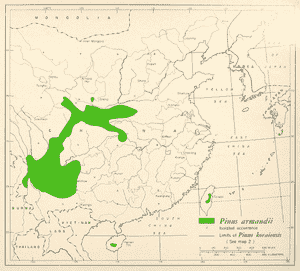
The resting phase, typically the tranquility of winter, presents the ideal window for transplanting armand's pine, allowing it a fresh beginning free from the demands of active development. Select a sunny, adequately drained location to accommodate armand's pine, making certain it is protected from strong air currents. A careful approach during the move greatly aids its adjustment.
What Preparations are Needed Before Transplanting Armand's Pine?
What is the Ideal Time for Transplanting Armand's Pine?
The optimal period to move armand's pine is during the tranquil embrace of winter. This cold, inactive phase allows armand's pine to establish itself without the demands of active growth. Relocating armand's pine in winter leverages its natural dormancy, promoting a smooth transition and vigorous spring revival. Rely on this season for transplantingâit's a gentle time for armand's pine, enabling it to flourish in its new spot with the renewal of spring.
How Much Space Should You Leave Between Armand's Pine Plants?
For armand's pine, ensure they have ample room to develop. Ideally, aim to space them approximately 10-15 feet (3-4.5 meters) apart. This will guarantee sufficient space for them to expand and thrive without becoming overcrowded.
What is the Best Soil Mix for Armand's Pine Transplanting?
Prior to transplanting armand's pine, enrich the soil with a foundational fertilizer rich in nitrogen and phosphorus. Armand's pine prefers soil that is slightly acidic and drains well. This will aid in fostering robust root development and maintaining your plant's health and vitality.
Where Should You Relocate Your Armand's Pine?
An optimal spot for armand's pine is where it can receive at least 6 hours of full sunlight daily. However, ensure it gets some shade during the hottest part of the day to prevent sun damage. Happy gardening!
What Equipments Should You Prepare Before Transplantation Armand's Pine?
Gardening Gloves
To safeguard your hands while handling soil and plants.
Garden Spade or Shovel
For excavating the hole for armand's pine and extracting it from its initial position.
Wheelbarrow or Plastic Tarp
To move armand's pine from its original spot to the new planting location without causing harm.
Gardening Pruning Shears
For trimming any damaged root sections.
Watering Can or Hose
For hydrating armand's pine before, during, and after the transplanting process.
Stakes and Gardening Twine
For providing support to armand's pine as it establishes itself in its new environment.
How Do You Remove Armand's Pine from the Soil?
How Do You Remove Armand's Pine from the Soil?
From Ground: Start by thoroughly watering the armand's pine plant to make the soil easier to manage and to lessen transplant shock. Next, use a garden spade or shovel to dig a wide trench around the armand's pine, making sure to dig deep enough to avoid harming the root system. Then carefully lift the armand's pine out of the ground, minimizing any damage to the root ball.From a Pot: First, lightly water the armand's pine. Tilt the pot sideways and gently slide the armand's pine out while supporting the plant's base. If the armand's pine is firmly rooted in the pot, you might need to gently tap the pot's sides to loosen the armand's pine.From a Seedling Tray: Water the armand's pine lightly to facilitate easy removal. Carefully lift the armand's pine from its cell, supporting the root ball and taking care not to damage the roots or the plant.
Step-by-Step Guide for Transplanting Armand's Pine
Identify New Site
Select an area in your garden where armand's pine will have sufficient space to grow and flourish.
Prepare the New Site
Dig a hole at the new location that is twice as wide and the same depth as the root ball of armand's pine.
Place the armand's pine
Position armand's pine in the hole, ensuring it stands upright. The top of the root ball should be level with the soil surface.
Fill in the Hole
Backfill the hole with the excavated soil. Gently firm it around the base of armand's pine to eliminate any air pockets.
Water the armand's pine
Water generously after planting, ensuring the root ball and surrounding soil are completely saturated.
Stabilize the armand's pine
If needed, provide support to armand's pine with stakes and gardening twine to help it remain upright and withstand wind or harsh weather conditions.
How Do You Care For Armand's Pine After Transplanting?
Watering
Water armand's pine thoroughly but not excessively during the initial weeks, which is crucial for the plant to recover from transplant shock.
Pruning
Prune any broken, damaged, or dead branches after transplanting. However, avoid heavy pruning in the first year, as this can stress armand's pine.
Staking
Regularly check the stakes provided during transplanting. Ensure they are secure and not harming the plant. Remove stakes once armand's pine is established.
Pest Control
Monitor armand's pine for pests and diseases. Early detection will assist in maintaining the health of armand's pine.
Troubleshooting Common Issues with Armand's Pine Transplantation.
When is the perfect time to transplant armand's pine?
The ideal period to relocate armand's pine is between late autumn and early winter, specifically months 10 through 12.
How should armand's pine be spaced when planting?
You should allow each armand's pine approximately 10-15 feet (3-4.5 meters) of space. This ensures every tree receives adequate sunlight and nutrients.
What's the best soil for transplanting armand's pine?
Armand's pine thrives in well-draining, acidic to neutral soil. Be sure to enrich the planting site with organic matter to enhance soil fertility.
How should I prepare armand's pine before transplanting?
Water armand's pine thoroughly the day before transplanting. We advise trying to excavate as much of the root system as possible to ensure a successful transplantation.
How deep should I plant armand's pine?
The hole should be twice the width and the same depth as the root ball. The top of the root ball should be at ground level.
How do I care for armand's pine after transplanting?
Water armand's pine thoroughly after transplanting and keep the soil consistently moist. Proper post-transplant care includes pruning any damaged branches.
My transplanted armand's pine is displaying signs of distress, such as browning tips. What's wrong?
Browning tips might indicate root disturbance. Ensure you're providing sufficient water and that the plant is in an appropriate location, receiving adequate sun and air circulation.
Can armand's pine be transplanted in a pot? If so, how?
Yes, armand's pine can be transplanted into pots. Select a large pot, ensure proper drainage, plant at the correct depth, and place it in a sunny location.
Why is my transplanted armand's pine not growing?
Growth may slow after transplanting as armand's pine adapts to its new environment. If it persists, check for insufficient watering, lighting, or unsuitable soil conditions.
What if the transplanted armand's pine is not standing up straight?
Armand's pine may lean after transplanting. Stake it upright until the roots are mature enough to support the plant independently. This may take about a year.



