How to Prune Armand's pine?
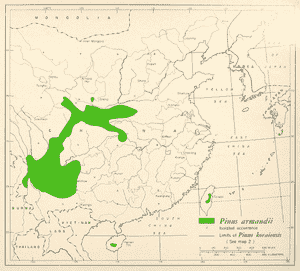
Celebrated for its graceful form and sturdy foliage, Pinus armandii greatly benefits from trimming to preserve its general well-being and visual charm. Essential pruning methods include excising deceased or ailing limbs, reducing the density of the crown to enhance air movement, and sculpting for consistent appearance. The optimal period to trim Pinus armandii is in the dormant winter season, which minimizes strain on the tree and encourages robust development in spring. Trimming Pinus armandii improves light exposure and can deter potential pest problems.
Advantages of Trimming Armand's Pine
Advantages of Trimming Armand's Pine
Trimming armand's pine promotes more robust development by eliminating deceased or diseased limbs, which enhances air circulation and light penetration. Regular shaping preserves its attractive form and prevents excessive growth, ensuring armand's pine stays healthy and well-proportioned.
Optimal Time for Trimming Armand's Pine
Optimal Time for Trimming Armand's Pine
Trimming armand's pine during late winter to early spring is perfect as the plant is still dormant but preparing for vigorous spring growth. This timing allows gardeners to shape the tree without risking pest or disease introduction, which are more active in warmer months. Pruning before the spring growth spurt ensures quick healing of cuts and robust, healthy subsequent growth, leveraging the tree's natural cycle. Additionally, with reduced foliage, armand's pine's structure is clearer, aiding strategic trimming. Avoid pruning in late summer or fall, as new growth might not harden off sufficiently before winter, leading to potential frost damage.
Tools Required for Trimming Armand's Pine
Bypass Pruners
Perfect for making neat, precise cuts on branches up to 1/2 inch in diameter, bypass pruners are ideal for shaping armand's pine and removing small, dead or diseased branches without harming the bark.
Loppers
Crucial for reaching higher branches and cutting through thicker stems up to two inches thick, loppers offer extra leverage and length to accurately trim armand's pine without needing a ladder.
Pruning Saw
For branches exceeding two inches in thickness, a pruning saw is essential to cut through the wood without undue strain on the tool or the plant. A curved, sharp blade ensures a smooth cut on armand's pine.
Pole Pruner
When trimming taller armand's pine specimens, a pole pruner is the preferred tool for safely reaching and cutting high, otherwise inaccessible branches without climbing.
How to Trim Armand's Pine
Sanitize
Before trimming armand's pine, clean all pruning tools with a solution of one part bleach to nine parts water to prevent disease spread.
Inspect
Carefully examine armand's pine to identify dead or diseased branches, which may appear withered, discolored, or show visible fungal growth or insect infestations.
Prune dead
Using sanitized shears or a saw, remove dead branches from armand's pine by cutting at the branch collar, the swollen area where the branch meets the trunk, to aid proper healing.
Prune diseased
Trim out diseased branches on armand's pine, making cuts well below affected areas to ensure all traces of disease are removed. Dispose of diseased material away from healthy plants.
Clean up
After trimming armand's pine, clear away all debris from the area to reduce chances of disease spread. Sterilize your tools again after finishing to keep them clean for next use.
Common Trimming Errors with Armand's Pine
Over-trimming
Removing too much foliage from armand's pine can weaken the tree and hinder its natural shape and growth patterns.
Cutting into old wood
Trimming into the old wood of armand's pine can harm the plant as it may not regenerate buds from old growth.
Incorrect cut locations
Improper placement of cuts can lead to disease and pest infestation. Cuts should be made at a safe distance from the main trunk to avoid exposing large areas of wood.
Ignoring disease prevention
Failing to sterilize pruning tools between cuts can spread disease among armand's pine trees.
Random trimming
Trimming without understanding armand's pine's growth habit results in an unbalanced structure and poor plant health.
Neglecting dead branches
Not removing dead or dying branches can attract pests and diseases, potentially harming the healthy parts of armand's pine.
General Trimming Advice for Armand's Pine
Judicious pruning
Only trim when necessary, such as removing dead or overcrowded branches, to maintain the health and natural form of armand's pine.
Proper tool use
Use sharp, clean tools specifically designed for pruning to make clean cuts that heal quickly and minimize damage to armand's pine.
Recognize growth patterns
Understand and follow the natural branching structure of armand's pine to promote a strong framework and aesthetic shape.
Tool sterilization
Disinfect tools between each cut to prevent the spread of disease within the armand's pine tree.
Cutting angle and position
Make cuts at a 45-degree angle, just above an outward-facing bud to encourage correct new growth direction.
Caring for wounds
Leave smaller wounds exposed to air for better healing but consider using a pruning sealant on larger cuts to protect armand's pine from disease and pests.



