Armand's pine (Pinus armandii)
Also known as: David's pine
The tree you are referring to is the Ginkgo biloba. This species holds significant cultural importance in China, symbolizing immortality and longevity. It was first described by Adrien René Franchet in 1884 and is named after the French missionary Pierre Nicholas Le Chéron d'Incarville. Ginkgo biloba is highly valued both for its durable wood, utilized in construction, and its ornamental appeal in landscaping.
In This Article
Attributes of Armand's pine
Lifespan
Perennial
Plant Type
Tree
Plant Height
35 m
Spread
8 m
Leaf Color
Green
Flower Size
1.4 cm
Flower Color
Not applicable
Images of Armand's pine
Quickly Identify Armand's pine
1
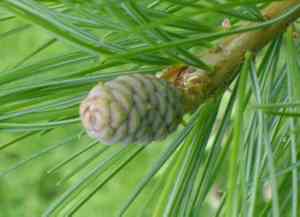
To identify Pinus armandii, look for a tall evergreen tree with a conical shape. The needles are grouped in bundles of five, are slender, and can be up to 15 cm long. The cones are cylindrical and can grow to about 10 to 20 cm in length.
Scientific Classification of Armand's pine
Phylum
Vascular plants
Class
Conifers
Order
Pines and allies
Family
Pine
Genus
Pines
Species
Armand's pine
Planting and Growing of Armand's pine
Care Difficulty
Easy
Watering Schedule
Every 2 days
Sunlight Requirements
Full sun
Sunshine Duration
4-8 hours
Ideal Temperature
50-68℉
Soil Type
Potting Mix, Peat Mix
Soil pH
6.5-7.5
Fertilizer Type
Balanced
Pruning Season
Spring, Summer
Pruning Area
Branches, Leaves
Pruning Frequency
2 times a year
Repotting Season
Spring
Pot Type
Plastic, Ceramic
 How to Water Armand's pine?
When watering Pinus armandii, ensure the soil is watered thoroughly but not to the point of saturation. The ideal amount is around 500ml per session, which helps maintain adequate moisture without causing root rot. It's important to allow the top layer of soil to dry slightly between watering sessions, ensuring the plant's roots have access to both moisture and air.
What are the symptoms of an underwatered Armand's pine?
›
What should I do if my Armand's pine is not getting enough water?
›
What are the symptoms of an overwatered Armand's pine?
›
How to save an overwatered Armand's pine?
›
 What Are the Sunlight Requirements for Armand's pine?
Pinus armandii's ideal light range is full to partial sun. This range supports strong growth, fuller needle development, and better overall plant health, translating into enhanced aesthetic appeal and resilience.
More About Sunlight Requirements Techniques→
What amount of sun does Pinus armandii need?
›
How can I ensure ideal lighting for Pinus armandii?
›
What are the benefits of proper lighting for Pinus armandii?
›
 What Is the Ideal Temperature Range for Armand's pine?
For Pinus armandii to thrive, maintaining temperatures between 50°F and 68°F is essential. This range ensures adequate enzymatic activities while supporting optimal photosynthesis levels, ultimately promoting robust growth.
 What Soil is Best for Armand's pine?
Pinus armandii thrives best in well-drained soil, which prevents waterlogging and root rot. Good drainage ensures that the roots receive the necessary oxygen, promoting healthy growth and development. This pine tree benefits from moderately fertile soil. Adequate nutrients support lush foliage and robust resilience against pests and diseases, showcasing a richer green canopy. Incorporating organic matter into the soil enhances its texture and nutrient content. This enrichment leads to a healthier ecosystem for beneficial microorganisms, supporting the tree's overall vitality.
 How to Fertilize Armand's pine?
For Pinus armandii, it's important to ensure a balanced approach to fertilization. Typically, you should use a moderate amount, such as 1/4 cup of a balanced liquid fertilizer with N-P-K ratio of 10-10-10, diluted according to the package instructions. This helps provide adequate nutrients without overwhelming the plant.
 How to Prune Armand's pine?
Begin your pruning by removing all deadwood and diseased branches. This is essential for preventing the spread of disease and promoting healthy new growth. Cut branches back to the main stem or a healthy lateral branch. Identify densely packed areas of foliage and selectively thin these sections. This enhances light penetration and air circulation throughout the pine tree, reducing the risk of mold and fungal diseases. While shaping or aesthetic pruning, maintain the natural form of the Pinus armandii. Avoid cutting more than one-third of the tree’s height in a single season to prevent stress and shock to the tree.
More About Pruning Techniques→
 How to Propagate Armand's pine plant?
1
Collect seeds from mature cones in autumn, ensuring that they are viable for propagation. Clean the seeds to remove debris and store them in a cool, dry place until sowing in spring.
2
Stratify the seeds by placing them in a moist, cold environment for about 1-3 months to simulate natural winter conditions and break seed dormancy.
3
Sow stratified seeds in seed trays filled with well-draining potting mix in early spring, keeping them lightly covered with soil. Ensure consistent moisture and provide indirect sunlight for optimal growth.
 How to Repot Armand's pine plant?
1
Repotting Pinus armandii should be done when you notice roots circling the pot's base or coming out of drainage holes. This indicates that the tree is root-bound and in need of more space to grow. Ideally, spring or autumn are the best times as the tree is not in full growth mode and can better cope with the stress of repotting.
2
Select a container that is only slightly larger than the current one—a few inches wider is ideal. This prevents over-potting and ensures the root system has enough room to expand. Using the right size reduces the risk of water lodging and root rot, promoting better drainage and air circulation.
3
Opt for a well-draining soil mix to prevent water from accumulating around the roots. A good soil blend for Pinus armandii would include components like pine bark, perlite, and a bit of coarse sand. This mix guarantees excellent drainage and prevents fungal diseases.



