How to Transplant Common twinpod?
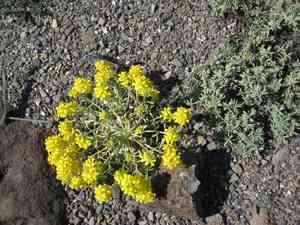
Common twinpod flourishes when relocated from early to late spring, benefiting from mild temperatures. Optimal transplanting environments feature soil that drains effectively and exposure to partial or full sunlight. To achieve the best outcome, verify that the new site closely replicates its native growing conditions.
What Preparations are Needed Before Transplanting Common Twinpod?
What is the Ideal Time for Transplanting Common Twinpod?
The best time to move common twinpod, a perennial, is from early to late spring. This period aligns with the plant's natural growth cycle, allowing it to establish roots before summer's intense heat. This timing reduces plant stress, boosting its chances for strong growth and long-term survival.
How Much Space Should You Leave Between Common Twinpod Plants?
When relocating common twinpod, ensure a spacing of approximately 12-18 inches (30-45 cm) between plants. This provides ample room for each plant to develop and flourish without overcrowding.
What is the Best Soil Mix for Common Twinpod Transplanting?
Prepare well-draining soil for common twinpod, ideally sandy or loamy. Incorporating a balanced, slow-release base fertilizer will supply essential nutrients. Amend your soil with compost if additional organic matter is required.
Where Should You Relocate Your Common Twinpod?
Select a sunny location for transplanting common twinpod. This plant thrives in full sunlight, requiring at least 6 hours of direct sun daily for healthy development.
What Equipments Should You Prepare Before Transplantation Common Twinpod?
Gardening Gloves
To safeguard your hands while handling soil and plants.
Hand Trowel
To excavate the common twinpod from its original spot and prepare the new planting site.
Spade or Shovel
To dig larger holes and trenches as required.
Watering Can or Hose
For hydrating the plant before, during, and after its relocation.
Mulch
To aid in retaining soil moisture post-transplanting.
Ruler or Measuring Tape
To ensure precise planting depth.
How Do You Remove Common Twinpod from the Soil?
How Do You Remove Common Twinpod from the Soil?
From Ground: First, thoroughly water the common twinpod plant to moisten the soil, which helps lessen root stress. Using a spade or shovel, dig a wide trench around the plant, maintaining at least 6 inches from the base to protect the root ball. Carefully work the spade beneath the root ball to lift the common twinpod plant from the ground, keeping as much soil around the roots as possible.From Pot: Gently water the common twinpod plant a few hours prior to transplanting. Tap the pot's sides and base to loosen the soil and roots. Carefully invert the pot while supporting the plant with your hand and slide the common twinpod out. If resistance occurs, use a hand trowel to loosen the edges.From Seedling Tray: Water the seedling tray beforehand. Using a pencil or similar tool, push up from the drainage hole to lift the common twinpod seedling. Handle seedlings by their leaves rather than stems to prevent damage.
Step-by-Step Guide for Transplanting Common Twinpod
Prepare the New Location
Dig a hole in the new spot that is twice as wide and slightly deeper than the plantâs root ball. Ensure the hole is spacious enough to accommodate the roots without compression.
Remove the Plant
Carefully extract the common twinpod plant from its initial location using the appropriate method (from ground, pot, or seedling tray). Aim to keep the root system intact and undisturbed.
Inspect the Roots
Examine the roots for any damage or circling growth. Trim damaged roots with clean shears and gently untangle any circling roots to encourage outward expansion.
Transplant the Plant
Position the common twinpod in the center of the prepared hole at the correct depth. Fill the hole halfway with soil, then add water to settle the soil and eliminate air pockets. Fill the remainder of the hole with soil.
Water Thoroughly
Water the plant generously after transplanting to help the soil settle and support root establishment.
Apply Mulch
Add a 2-3 inch layer of mulch around the base of the common twinpod plant, leaving a gap around the stem to prevent rot. The mulch will help retain moisture and suppress weeds.
How Do You Care For Common Twinpod After Transplanting?
Watering
Keep the soil around the common twinpod consistently moist, but not waterlogged, for the initial weeks post-transplanting to aid in developing strong roots.
Monitoring
Observe your plant for any indications of transplant shock, such as wilting or discolored foliage. Adjust care as needed.
Support
If the common twinpod appears top-heavy or unstable, consider using a small stake for support until it develops a stronger root system.
Fertilizing
Avoid fertilizing immediately after transplanting as it may stress the plant. Wait a few weeks before applying a balanced, slow-release fertilizer if necessary.
Troubleshooting Common Issues with Common Twinpod Transplantation.
When is the best time to transplant common twinpod?
Early to late spring is ideal for relocating common twinpod to ensure healthy growth.
What spacing should I leave between common twinpod plants?
Allow 12-18 inches (30-45 cm) between each common twinpod for adequate growth space.
How do I prepare the soil for common twinpod transplantation?
Ensure well-drained soil enriched with organic compost to provide nutrients for common twinpod.
How should I handle common twinpod roots during transplanting?
Handle common twinpod roots gently to prevent damage, ensuring they stay moist during relocation.
What depth should I plant common twinpod in the new location?
Plant common twinpod at the same depth it was previously growing to minimize transplant shock.
How much water does common twinpod need after transplanting?
Water common twinpod thoroughly after transplanting and maintain consistently moist soil for the first few weeks.
How can I minimize transplant shock for common twinpod?
Relocate common twinpod during cooler parts of the day and avoid excessive disturbance to the root ball.
Should I use mulch around common twinpod after transplanting?
Yes, apply mulch around common twinpod to retain moisture and regulate soil temperature.
Do I need to prune common twinpod when transplanting?
Pruning is generally not required for common twinpod during transplanting unless there are damaged leaves.
Are there any pests or diseases to watch for after transplanting common twinpod?
Monitor for pests like aphids and diseases such as root rot, and address them promptly.



