How to Prune Common twinpod?
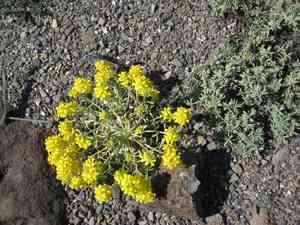
A unique species within the Brassicaceae family, common twinpod is characterized by its distinctive two-lobed seedpods. The most effective times for trimming are in the spring prior to blooming or in the autumn following seed distribution. Remove any deceased or excessively long stems to preserve its structure and encourage robust development. This process both revitalizes the plant and improves its aesthetic qualities, while also preventing excessive density. Careful attention during trimming guarantees that common twinpod maintains its dense shape and flourishes in various garden environments.
What Are the Benefits of Pruning Common Twinpod?
What Are the Benefits of Pruning Common Twinpod?
Trimming common twinpod promotes robust development and maintains its desired form. Regular cutting helps rejuvenate the plant, leading to a more controlled and visually appealing look.
What Is the Best Time for Pruning Common Twinpod?
What Is the Best Time for Pruning Common Twinpod?
Pruning common twinpod in Spring, Summer, and Fall aligns with its active growth phases, fostering healthier development and recovery. Spring trimming, just before growth begins, stimulates new development and strategically shapes the plant. Summer trimming is useful for removing any unhealthy or overgrown sections, thereby improving air circulation and light penetration vital for its well-being. Fall trimming should be minimal, primarily focusing on eliminating any dead or diseased foliage to prevent pathogen spread and prepare common twinpod for its dormant winter period. Avoiding winter pruning helps prevent frost damage to fresh cuts.
What Tools Do I Need to Prune Common Twinpod?
Hand Pruners
Perfect for making precise cuts on the smaller, more delicate branches of common twinpod. They enable clean, close cuts, encouraging healthy regrowth and preserving the plant's shape.
Pruning Shears
Useful for cutting back larger, tougher stems that hand pruners might struggle with. Ensure the shears are sharp to avoid damaging plant tissues.
Gardening Gloves
Essential for protecting hands from thorns and rough branches while pruning common twinpod. Gloves also provide a better grip for safe tool handling.
How to Prune Common Twinpod
Identify
Examine common twinpod for any diseased leaves, withered leaves, dead branches, and diseased branches. Thoroughly check the plant to pinpoint which parts require immediate attention. Focus primarily on sections showing clear signs of decay or illness.
Disinfect
Before beginning the pruning process, sanitize pruning tools to prevent the spread of any pathogens. Use a solution of 1 part bleach to 9 parts water or rubbing alcohol to sterilize the cutting surfaces of shears or clippers.
Prune leaves
Carefully remove diseased and withered leaves from common twinpod using clean, sharp pruning shears. Cut the leaves at their base near the main stem, ensuring not to harm surrounding healthy tissues. This helps prevent further disease spread and invigorates common twinpod's growth by redirecting energy to healthier parts.
Prune branches
Trim dead and diseased branches from common twinpod. Make cuts at a 45-degree angle about a quarter inch above an outward-facing bud or branch junction. This promotes outward growth and enhances air circulation, which is crucial for the plant's health.
Cleanup
After pruning, clear away all removed parts from around common twinpod. Dispose of diseased and dead material properly to prevent potential reinfection. Keeping the area around the plant clean helps maintain a healthy environment for growth.
Common Pruning Mistakes with Common Twinpod
Overpruning
A frequent error is removing too much foliage from common twinpod, which can stress the plant and diminish its vitality. This often occurs when gardeners try to reshape the plant too aggressively.
Improper cut locations
Cuts made too far from a bud or node can result in dead stubs that attract pests and diseases. Conversely, cuts too close can damage the bud, hindering new growth.
Using dull tools
Employing dull pruning shears can damage the stems of common twinpod, leading to jagged cuts that heal poorly and may develop infections.
Ignoring diseased branches
Failing to remove diseased or damaged branches during pruning can allow diseases to spread throughout common twinpod, weakening the plant's overall health.
Common Pruning Tips for Common Twinpod
Timing of cuts
Make cuts at a 45-degree angle just above a leaf node or bud to encourage healthy new growth. This method also helps prevent water accumulation on the cut surface, reducing disease risk.
Tool maintenance
Always use clean, sharp pruning shears for precise cuts. Sterilize tools before use, especially when moving between different plants, to prevent disease spread.
Selective pruning
Focus on removing only dead, damaged, or diseased branches. For common twinpod, it's also beneficial to thin out dense areas to improve air circulation and light penetration, which supports vigorous growth and reduces disease risks.
Gradual rejuvenation
For older common twinpod plants, implement gradual rejuvenation pruning over several seasons rather than drastic cuts in a single year. This approach helps maintain the plant's structure and health.



