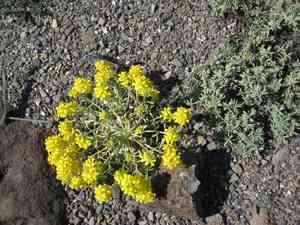
Common twinpod (Physaria didymocarpa)
Also known as: Double twinpod
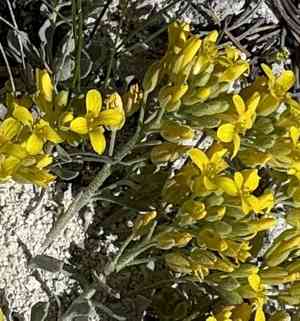
At the tips of the stems, you'll find inflorescences that are tightly packed clusters of yellow blooms. The individual petals measure around one centimeter in length. The resulting fruit is an inflated silicle, approximately 2 cm in both length and width, characterized by a firm to papery texture and a fuzzy surface.
In This Article
Attributes of Common twinpod
Lifespan
Perennial
Plant Type
Herb
Plant Height
10-30 cm
Spread
30-50 cm
Leaf Color
Green
Flower Size
1-2 cm
Flower Color
Yellow
Images of Common twinpod
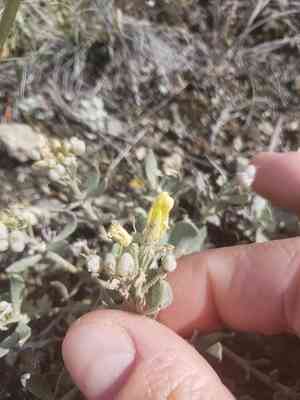
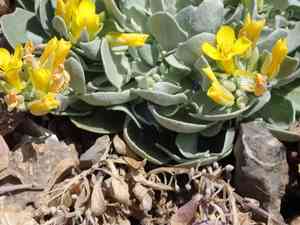
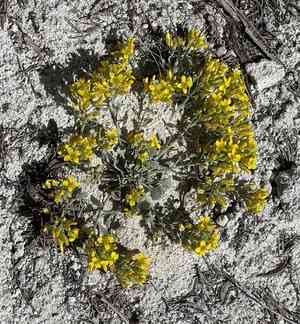
Quickly Identify Common twinpod
1
Identify Physaria didymocarpa by its rounded, inflated seed pods, bright yellow flowers, and silvery, pubescent leaves. It typically grows in sandy or rocky soils.
Scientific Classification of Common twinpod
Phylum
Vascular plants
Class
Dicotyledons
Order
Brassicales
Family
Cruciferae
Genus
Physaria
Species
Common twinpod
Planting and Growing of Common twinpod
Care Difficulty
Moderate
Watering Schedule
Every 3 days
Sunlight Requirements
Full sun
Sunshine Duration
4-8 hours
Ideal Temperature
60-70℉
Soil Type
Potting Mix, Peat Mix
Soil pH
6.5-7.5
Fertilizer Type
Balanced
Pruning Season
Spring, Summer
Pruning Area
Branches, Leaves
Pruning Frequency
2 times a year
Repotting Season
Spring
Pot Type
Plastic, Ceramic
 How to Water Common twinpod?
Physaria didymocarpa requires a balance in watering; the soil should be kept moderately moist but never waterlogged. A good rule of thumb is to water thoroughly until about 250 ml per plant has seeped through, ensuring even distribution without water pooling at the bottom.
What are the symptoms of an underwatered Common twinpod?
›
What should I do if my Common twinpod is not getting enough water?
›
What are the symptoms of an overwatered Common twinpod?
›
How to save an overwatered Common twinpod?
›
 What Are the Sunlight Requirements for Common twinpod?
Physaria didymocarpa prefers direct light for robust growth. Ideal sunlight exposure supports optimal photosynthesis and blooming, ensuring nutrient-energy conversion is maximized for the plant's strength.
Recommended Position
›
Solution for Optimal Sunlight
›
Beneficial Effects of Ideal Sunlight
›
 What Is the Ideal Temperature Range for Common twinpod?
Physaria didymocarpa thrives in temperatures between 60°F and 70°F. Maintaining this range ensures optimal growth and flowering, as it mimics the plant's natural environment. This range provides a balance that supports enzymatic and metabolic activities vital for plant health.
 What Soil is Best for Common twinpod?
Physaria didymocarpa thrives best in well-drained soils that prevent waterlogging. Such soil conditions prevent root rot and provide the healthy root environment necessary for optimal growth. This plant flourishes in soil with moderate nutrient content. While highly fertile soils may lead to leggy growth, a balanced nutrient profile supports robust and resilient growth. Loose soil structure is crucial as it allows sufficient air circulation around the roots. This aeration promotes vigorous root development and overall plant health.
 How to Fertilize Common twinpod?
For Physaria didymocarpa, a light fertilization approach is best. Use a diluted liquid fertilizer at a quarter of the recommended strength to avoid nutrient overload. For granular fertilizers, use about 1-2 tablespoons per plant, ensuring not to place it too close to the stem to prevent root burn.
 How to Prune Common twinpod?
Start by removing any dead or damaged leaves from Physaria didymocarpa. This step ensures that the plant directs its energy toward new, healthy growth. Trim the plant to maintain its natural shape. Cut back any overly long stems or those growing in awkward directions to keep a neat, tidy appearance. During pruning, maintain a good amount of space between stems. Adequate air circulation prevents mold and other issues related to poor airflow.
More About Pruning Techniques→
 How to Propagate Common twinpod plant?
1
Fill the seed tray with a well-draining potting mix, leaving a small space at the top. Gently tap the tray to settle the mix and ensure even distribution. This creates an ideal environment for seed germination.
2
Scatter Physaria didymocarpa seeds evenly across the surface of the soil. Lightly press them into the soil to ensure good contact, but do not bury them too deep. It’s crucial for the seeds to receive adequate light for germination.
3
Water the seeds gently using a fine spray to avoid displacing them. Cover the tray with a clear plastic lid or plastic wrap to retain moisture, creating a mini-greenhouse effect that facilitates germination.
 How to Repot Common twinpod plant?
1
Recognize the signs for repotting Physaria didymocarpa by observing roots emerging from the drainage holes or when growth seems stunted. Ideally, repot during its active growing seasons of spring or summer to minimize stress.
2
Select a pot that is about 2 inches wider in diameter than the current one to give roots more space. Ensure the pot has sufficient drainage holes to prevent waterlogging, which can lead to root rot. The added space facilitates healthy growth and expansion of root systems.
3
Opt for well-draining sandy soil to mimic its natural habitat and avoid water retention issues. This helps keep the roots dry, reducing the risk of rot and promoting a healthier growth pattern.
Toxicity
Ingestion
WARNING
The judgment on toxicity and danger is for reference only. We DO NOT GUARANTEE any accuracy of such judgment. Therefore, you SHALL NOT rely on such judgment. It is IMPORTANT TO SEEK PROFESSIONAL ADVICE in advance when necessary.
Learn More About Common twinpod Diseases
Bacterial Leaf Spot
Bacterial Soft Rot
Clubroot
Cyst Nematode
Damping-off
Downy Mildew
Drought Stress
Fusarium Wilt
Gray Mold
Leaf Spot
Mosaic
Nutrient Deficiency
Nutrient Toxicity
Powdery Mildew
Root Rot
Root-knot Nematode
Rusts
Sooty Mold
Spider Mites
Temperature Stress
Thrips Damage
White Mold
Chemical Injury



