How to Transplant Longleaf groundcherry?
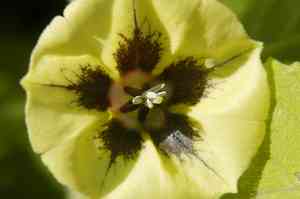
The most favorable period for relocating longleaf groundcherry is in mid-spring, capitalizing on robust development. Select a location that receives ample sunlight and possesses soil with good drainage. When transplanting mature specimens, initiate the process by providing a comprehensive watering one day beforehand to facilitate the adjustment.
Essential Preparations Before Relocating Longleaf Groundcherry?
When is the Best Time to Move Longleaf Groundcherry?
The prime period for relocating longleaf groundcherry spans from mid-spring to early summer. This timeframe offers moderate temperatures and consistent moisture, vital for root establishment. Moving longleaf groundcherry during this season encourages vigorous growth, as the soil's warmth and extended daylight hours stimulate root development. A helpful tip: this timing perfectly aligns with longleaf groundcherry's natural growth cycle, setting the stage for a flourishing plant.
What is the Recommended Spacing Between Longleaf Groundcherry Plants?
Provide ample room for your longleaf groundcherry to thrive with appropriate spacing. Maintain a distance of approximately 1-2 feet (30-60 cm) between each plant. This allows sufficient space for growth and promotes healthy development!
What is the Optimal Soil Blend for Transplanting Longleaf Groundcherry?
Longleaf groundcherry flourishes best in well-drained, fertile soil. Integrate organic compost or a balanced foundational fertilizer into the planting hole prior to transplantation. This will supply crucial nutrients for an excellent start!
Where Should You Replant Your Longleaf Groundcherry?
Remember, longleaf groundcherry loves sunlight! Select a spot that receives full sun for a minimum of 6 hours daily. If your garden doesn't offer this, don't worry, partial sun is also beneficial, just ensure it gets good morning sun!
What Tools Are Needed Before Transplanting Longleaf Groundcherry?
Gardening Gloves
These offer hand protection when handling soil and the longleaf groundcherry plant.
Shovel or Trowel
A tool utilized to excavate and move the plant.
Watering Can/Hose
Essential for moistening the soil to facilitate removal and, subsequently, for hydrating the plant.
Gardening Pruners
To trim the longleaf groundcherry to lessen transplant shock.
Organic Compost
To enrich the soil at the new site, which aids in better growth of longleaf groundcherry.
Stakes and Ties
These are for supporting longleaf groundcherry if it is a larger specimen.
How to Extract Longleaf Groundcherry from the Soil?
How to Extract Longleaf Groundcherry from the Soil?
From Ground: Begin by watering the soil to make it damp and easier to dig. Use a shovel or trowel to dig a wide circle around the longleaf groundcherry, ensuring the root ball stays intact. Gently slide the tool beneath the root ball and carefully lift the plant.From Pot: Water the longleaf groundcherry in its container. Turn it sideways, hold gently across the base, and tap the bottom of the pot to loosen it, then carefully slide the plant out.From Seedling Tray: Water the seedlings and detach any connected tray. Use a spoon or similar utensil to carefully lift the longleaf groundcherry seedling, ensuring you retain a good amount of soil around the roots to minimize shock during the process.
Step-by-Step Guide for Relocating Longleaf Groundcherry
Preparation
Ensure the new location for longleaf groundcherry is prepared - dig a hole twice as wide as the plant's root ball, and fill the hole with some organic compost for a nutrient boost.
Pruning
Trim your longleaf groundcherry plant to reduce transplant shock. However, avoid severe pruning.
Planting
Carefully place the plant in the prepared hole, making sure the top of the root ball is level with the soil surface. Backfill the hole with soil, ensuring the plant is stable, not buried too deeply or too shallowly.
Watering
Water the plant generously immediately after transplanting.
Support
If your longleaf groundcherry is a larger specimen, install stakes now and use ties to provide support to the plant. Avoid driving stakes through the root ball.
Post-Transplant Care for Longleaf Groundcherry
Monitoring
Inspect the longleaf groundcherry daily for the initial week or so, looking for any indications of stress.
Watering
Water the planting site frequently enough to keep the soil consistently slightly moist.
Mulching
To help retain moisture, deter weeds, and regulate soil temperature, apply organic mulch around the plant, leaving some space clear around the stem to prevent encouraging rot.
Pruning
Remove any dead or dying leaves to prevent them from diverting resources from healthy growth.
Addressing Common Issues with Longleaf Groundcherry Transplantation.
What is the optimal season to transplant longleaf groundcherry?
The best time to transplant longleaf groundcherry is between its second and third growth season (S2- S3). This allows the plant to effectively adapt to its new environment.
What distance should I maintain between two longleaf groundcherry during transplanting?
Ensure you keep a spacing of about 1-2 feet (30-60 cm) between each longleaf groundcherry during transplanting. This spacing promotes healthy growth and better air circulation.
What kind of soil does longleaf groundcherry prefer during transplantation?
Longleaf groundcherry prefers well-drained soil with a neutral pH. Enriching the soil with compost can boost the health of your transplant.
What's the correct depth to plant longleaf groundcherry?
The longleaf groundcherry should be planted at the same depth as the root ball or pot. Make sure the crown's top is level with the soil.
Does longleaf groundcherry need any special care after transplantation?
Yes, water your longleaf groundcherry regularly after transplantation. Just ensure you don't overwater as this may lead to root rot.
What should I do if my longleaf groundcherry looks wilted after transplantation?
If your longleaf groundcherry seems wilted after transplanting, don't worry it's common. Keep the soil moist and provide proper care, it should bounce back soon.
How to optimize the transplanting success rate for longleaf groundcherry?
Transplant in the ideal season, provide adequate water, maintain appropriate spacing, and use rich, well-drained soil to increase the transplantation success rate for longleaf groundcherry.
Why does my transplanted longleaf groundcherry have yellowing leaves?
Yellowing leaves on your transplanted longleaf groundcherry could be a sign of water stress or nutrient deficiency. Ensure proper watering and nutrient supply.
How much sunlight does the transplanted longleaf groundcherry require?
Longleaf groundcherry prefers full sun to part shade. Ensure it gets at least 6 hours of sunlight each day for optimal growth.
Will a sudden drop in temperature affect my transplanted longleaf groundcherry?
Yes, a sudden drop in temperature can stress your transplanted longleaf groundcherry. Ensure it's protected from extreme weather conditions.



