The Hidden Danger in Your Home? Unmasking the Toxicity of the Longleaf groundcherry Plant.
1
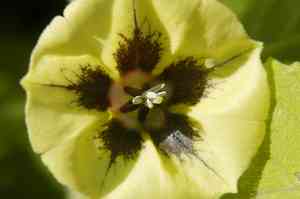
Longleaf groundcherry is toxic if consumed because it contains solanine, a harmful substance.
2
Immature longleaf groundcherry fruits and foliage may induce digestive problems like diarrhea, sickness, and stomach discomfort.
3
In extreme situations, ingesting significant quantities of longleaf groundcherry could result in delusions, immobility, and even fatality.
Is Longleaf groundcherry toxic to humans?
Longleaf groundcherry is harmful if consumed because it contains solanine, a poisonous substance. Like many plants in the nightshade family, longleaf groundcherry has toxins in its foliage and immature berries that can lead to digestive problems like diarrhea, throwing up, and stomach cramps, a burning feeling in the throat, lightheadedness, headaches, joint swelling and discomfort. In serious instances, if a lot of solanine is eaten, or if children consume longleaf groundcherry, symptoms might include seeing things, inability to move, yellow skin, high temperature, overheating, and even death. It's crucial to understand that even eating a small amount can be deadly.



