How to Transplant Yellow nightshade groundcherry?
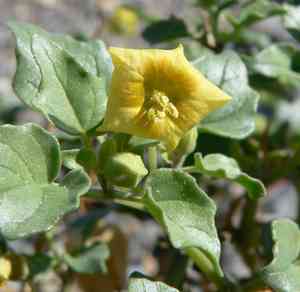
The optimal period for relocating yellow nightshade groundcherry is from the pleasant days of late spring through the inviting warmth of early summer. Transfer it to a bright spot with soil that drains effectively to guarantee its flourishing. A helpful suggestion: provide ample room for it to absorb sunlight and expand.
Essential Preparations Before Relocating Yellow Nightshade Groundcherry?
Optimal Timing for Moving Yellow Nightshade Groundcherry?
The ideal window for relocating yellow nightshade groundcherry spans from late spring into early summer. This period offers a perfect mix of warm soil and gentle temperatures, fostering root development and successful acclimation, leading to vigorous growth. Moving yellow nightshade groundcherry during this season capitalizes on extended daylight hours and frost-free conditions, which are crucial for root establishment before summer's heat. Transplanting at this point ensures your yellow nightshade groundcherry gains a strong start, leveraging peak growing conditions to thrive. This timing allows the plant to adapt to its new setting with minimal stress, harnessing the season's vitality.
Recommended Spacing Between Yellow Nightshade Groundcherry Plants?
Begin by planning the placement of your yellow nightshade groundcherry in the garden, allowing ample room for growth. Aim for a separation of approximately 24-36 inches (61-91 cm). This will provide each yellow nightshade groundcherry sufficient area to expand and absorb nutrients without becoming overcrowded.
Best Soil Blend for Yellow Nightshade Groundcherry Relocation?
Prepare a welcoming bed for your yellow nightshade groundcherry using well-draining soil enriched with a balanced, slow-release fertilizer. A combination of loam and sand is optimal, ensuring roots receive both nourishment and proper drainage.
Ideal Location for Repositioning Your Yellow Nightshade Groundcherry?
Select a sunny spot that receives at least 6-8 hours of direct sunlight daily. Yellow nightshade groundcherry thrives in full sun, making a south-facing area in your garden an excellent choice for these sun-loving plants.
Tools Required Before Transplanting Yellow Nightshade Groundcherry?
Gardening Gloves
To safeguard your hands while handling soil and plants.
Shovel or Spade
For excavating the plant and preparing a new planting site.
Hand Trowel
For managing smaller plants or performing detailed tasks.
Watering Can or Hose
To hydrate the plant before and after its move.
Measuring Tape
To ensure proper distances between transplanted specimens.
Wheelbarrow or Garden Cart
To move the yellow nightshade groundcherry from one spot to another if needed.
Pruning Shears
To trim any damaged or excessive roots or foliage.
Stakes or Plant Supports
To provide stability for the yellow nightshade groundcherry if it has a tall or sprawling growth habit.
Mulch
To aid in retaining soil moisture and suppressing weeds around the newly planted area.
How to Extract Yellow Nightshade Groundcherry from Its Current Location?
How to Extract Yellow Nightshade Groundcherry from Its Current Location?
From Ground: First, moisten the soil around the yellow nightshade groundcherry by watering it, which makes it easier to work with. Dig a wide circle around the plant using a shovel or spade, ensuring enough distance to avoid harming the root system. Carefully slide the spade beneath and gently lift the yellow nightshade groundcherry from the ground, preserving as much of the root ball as possible.From Pot: Water the yellow nightshade groundcherry and allow the moisture to penetrate. Turn the pot on its side and gently tap it to loosen the soil. Support the plant's base with open hands and carefully slide it out, aiming to keep the root ball intact. If the roots are circling, you might need to gently untangle them before transplanting.From Seedling Tray: Water the seedlings to soften the soil, facilitating their removal. Use a hand trowel or a specialized plug tool to carefully lift each seedling, ensuring the roots and as much soil as possible remain attached to the seedling.
Detailed Steps for Relocating Yellow Nightshade Groundcherry
Preparation
Gather all necessary tools and ensure water is readily available. Review the entire guide beforehand to understand all steps involved.
Plant Removal
Follow the appropriate instructions above to carefully extract your yellow nightshade groundcherry from its original spot without damaging the roots.
New Site Excavation
Dig a hole in the new location that is twice as wide and equally deep as the yellow nightshade groundcherry's root ball. Loosen the soil at the base of the hole to encourage root expansion.
Placement
Position the yellow nightshade groundcherry into the new hole so that the top of its root ball is level with the surrounding ground. Gently spread out any bunched roots.
Backfill
Carefully refill the hole with native soil, working it gently around the roots without excessive compaction. Ensure the plant stands upright and straight.
Watering In
Thoroughly water the yellow nightshade groundcherry to help settle the soil around the roots and eliminate any air pockets.
Staking
If the yellow nightshade groundcherry is tall or appears to need support, install stakes or plant supports now to provide the necessary stability.
Mulching
Apply a layer of mulch around the base of the yellow nightshade groundcherry to help retain moisture and suppress weeds, keeping the mulch a few inches away from the plant's stem to prevent rot.
Post-Transplant Care for Yellow Nightshade Groundcherry
Watering
Water the yellow nightshade groundcherry regularly to maintain consistent soil moisture, being careful not to overwater and risk root rot.
Settling In
Observe the yellow nightshade groundcherry for any signs of stress and allow it time to adapt to its new environment.
Pruning
Trim any broken or damaged branches that may have occurred during the transplanting process to help the plant focus on reestablishing its root system.
Support
Periodically check and adjust stakes or supports as needed to ensure the yellow nightshade groundcherry remains well-supported as it grows.
Weed Control
Keep the area surrounding the yellow nightshade groundcherry free of weeds, which can compete for essential nutrients and water.
Addressing Common Issues During Yellow Nightshade Groundcherry Transplantation.
What is the best season for moving yellow nightshade groundcherry?
The prime period for relocating yellow nightshade groundcherry is as spring transitions to summer, roughly from late spring to early summer.
How much space should I allow between yellow nightshade groundcherry plants when transplanting?
Envision a comfortable distance between yellow nightshade groundcherry plants, giving them 24-36 inches (61-91 cm) to flourish.
Why is my yellow nightshade groundcherry wilting after being moved?
Your yellow nightshade groundcherry might be dehydrated! Ensure it receives adequate water to prevent transplant shock and keep the soil moist.
What depth should I plant yellow nightshade groundcherry's rootball?
Plant yellow nightshade groundcherry's rootball at the same depth it was previously, aligning it with the surrounding soil level.
Is there a specific soil type recommended for yellow nightshade groundcherry transplant?
Indeed! Yellow nightshade groundcherry thrives in well-draining soil rich in organic matter, much like a gourmet meal for plants.
Can I transplant yellow nightshade groundcherry on a hot day?
Opt for a mild day! Moving yellow nightshade groundcherry during extreme heat can cause stress. Overcast days are ideal.
How much water does yellow nightshade groundcherry require immediately after transplanting?
Imagine providing yellow nightshade groundcherry a soothing drink, not a deluge. Water it deeply to encourage a strong root system.
Should I fertilize yellow nightshade groundcherry right after transplanting?
Hold off on the fertilizer! Allow yellow nightshade groundcherry to settle for a few weeks before introducing additional nutrients.
Is it okay to prune yellow nightshade groundcherry during transplant?
Prune with intention! Trim any damaged or excessively long roots before transplanting to promote healthy growth.
My yellow nightshade groundcherry appears droopy after transplant, should I be concerned?
Stay calm and continue care! Some wilting is normal as yellow nightshade groundcherry adjusts. Maintain consistent care, and it should recover.



