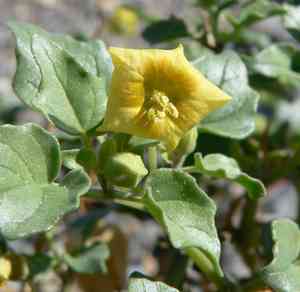
Yellow nightshade groundcherry (Physalis crassifolia)
Also known as: Thick-leaved ground cherry
The yellow nightshade groundcherry is typically found in sandy soils, open fields, and disturbed areas, including prairies, roadsides, and agricultural lands. It is commonly seen in the southwestern United States and Northern Mexico.
However, caution is needed as not all parts of the plant are safe to eat. While the ripe fruit is considered edible, the unripe fruit and other parts of the plant contain toxic compounds called solanines, making them harmful if ingested. Always ensure the fruit is fully mature before consumption.
In This Article
Attributes of Yellow nightshade groundcherry
Lifespan
Perennial, Annual
Plant Type
Herb
Plant Height
46 cm
Spread
30 cm to 60 cm
Leaf Color
Green
Flower Size
1.5 cm to 2 cm
Flower Color
Yellow Green
Images of Yellow nightshade groundcherry
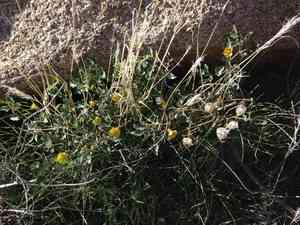
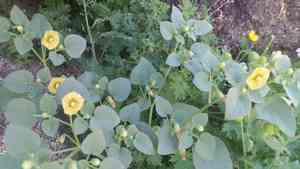
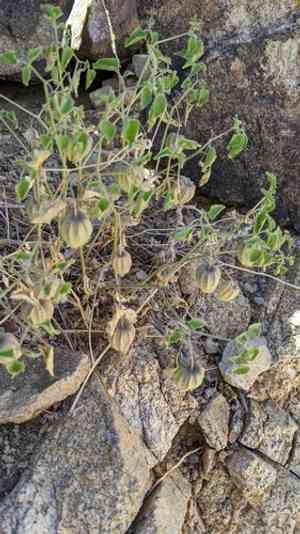
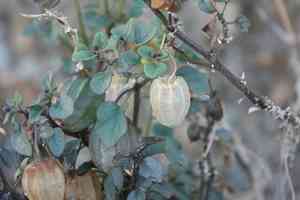
Quickly Identify Yellow nightshade groundcherry
1
Physalis crassifolia can be identified by its thick, slightly fleshy leaves and the distinctive, lantern-like husk that encases its fruit. The plant typically grows low to the ground and has yellow flowers with a central dark purple spot.
Scientific Classification of Yellow nightshade groundcherry
Phylum
Vascular plants
Class
Dicotyledons
Order
Solanales
Family
Nightshade
Genus
Physalis
Species
Yellow nightshade groundcherry
Planting and Growing of Yellow nightshade groundcherry
Care Difficulty
Easy
Watering Schedule
Every 3 days
Sunlight Requirements
Full sun
Sunshine Duration
4-6 hours
Ideal Temperature
70-85℉
Soil Type
Potting Mix, Peat Mix
Soil pH
6.5-7.5
Fertilizer Type
Balanced
Pruning Season
Spring, Summer
Pruning Area
Branches, Leaves
Pruning Frequency
2 times a year
Repotting Season
Spring
Pot Type
Plastic, Ceramic
 How to Water Yellow nightshade groundcherry?
For Physalis crassifolia, it's essential to ensure the soil is uniformly moist but not soaked. Water deeply to allow the roots to get enough moisture, around 200ml per session, ensuring excess drains away.
What are the symptoms of an underwatered Yellow nightshade groundcherry?
›
What should I do if my Yellow nightshade groundcherry is not getting enough water?
›
What are the symptoms of an overwatered Yellow nightshade groundcherry?
›
How to save an overwatered Yellow nightshade groundcherry?
›
 What Are the Sunlight Requirements for Yellow nightshade groundcherry?
Physalis crassifolia prefers environments with full to partial sun, thriving best when it receives between six to eight hours of sunlight daily. Adequate light promotes vigorous growth and a healthy life cycle.
More About Sunlight Requirements Techniques→
What type of light does it thrive in?
›
What solutions ensure ideal lighting?
›
What are the benefits of optimal lighting?
›
 What Is the Ideal Temperature Range for Yellow nightshade groundcherry?
Physalis crassifolia thrives best in temperatures ranging from 70 to 85°F. This range supports optimal photosynthesis and growth, ensuring the plant achieves its full potential in terms of flowering and fruiting. Maintaining this temperature can significantly improve the overall health and yield of the plant.
 What Soil is Best for Yellow nightshade groundcherry?
Physalis crassifolia thrives best in well-drained soils, which prevent root rot by allowing excess water to swiftly move away. This drainage enables the roots to access necessary nutrients and oxygen, promoting robust and healthy plant growth. A nutrient-rich soil provides the essential minerals and nutrients needed by Physalis crassifolia to flourish. This not only supports vibrant foliage growth but also enhances the plant's resistance to disease and environmental stressors. The soil should facilitate adequate aeration, ensuring that roots receive sufficient oxygen. Aerated soils prevent compaction and improve root development, thus fostering an expansive root system and enhancing the plant's overall stability.
 How to Fertilize Yellow nightshade groundcherry?
For Physalis crassifolia, it's advisable to use a balanced 10-10-10 or a similar N-P-K ratio fertilizer. When applying liquid fertilizer, use it at half the recommended strength to avoid overwhelming the plant. Typically, about 1 tablespoon per gallon of water should be sufficient for liquid feed, adjusting as needed based on plant response and growth conditions.
 How to Prune Yellow nightshade groundcherry?
Start by examining the plant for any dead or damaged branches. Use sharp pruning shears to remove these at their base, fostering plant health. Next, assess the overall shape of the plant and trim any leggy or excessively long stems to maintain a compact form. Focus on maintaining an open shape to improve air circulation within the plant. This encourages robust growth and better pest resistance.
More About Pruning Techniques→
 How to Propagate Yellow nightshade groundcherry plant?
1
Fill seed trays with a high-quality seed starting mix. This mix should be light, well-draining, and nutritious enough to support seedling development. Water the mix thoroughly before sowing seeds to ensure even moisture distribution.
2
Sow Physalis crassifolia seeds on the surface of the pre-moistened soil. Press them lightly into the soil but do not cover them completely, as they require light for germination. Space seeds adequately to prevent overcrowding.
3
Use sharp, sterile pruning shears to take softwood or semi-hardwood cuttings from a healthy parent plant. Each cutting should be about 4-6 inches long and include several leaf nodes. Immediately place cuttings in water or wrap them in damp paper towels to prevent drying out.
 How to Repot Yellow nightshade groundcherry plant?
1
To ensure Physalis crassifolia thrives, look for signs such as roots growing through the drainage holes or out of the pot. This is a clear indication that your plant has outgrown its current container and needs more space. Additionally, if the growth appears stunted despite proper care, or if the soil dries excessively fast after watering, it's time to consider repotting.
2
Select a pot that's 1-2 inches larger in diameter than the current one. Ensure it has ample drainage holes to prevent waterlogging, which can lead to root rot. A slightly larger pot encourages healthy growth, while choosing one that's too large may retain too much moisture, negatively impacting the plant's root system.
3
Opt for a well-draining cactus mix that allows for plenty of air circulation. This soil type prevents the roots from becoming waterlogged and reduces the risk of root rot. Its composition also supports healthy root development and provides the ideal environment for nourishing Physalis crassifolia.
Learn More About Yellow nightshade groundcherry Diseases
Anthracnose
Bacterial Leaf Spot
Bacterial Wilt
Damping-off
Downy Mildew
Drought Stress
Fusarium Wilt
Gray Mold
Late Blight
Leaf Curl
Leaf Spot
Mosaic
Nutrient Deficiency
Nutrient Toxicity
Powdery Mildew
Root Rot
Root-knot Nematode
Rusts
Sooty Mold
Spider Mites
Temperature Stress
Thrips Damage
White Mold
Chemical Injury



