How to Prune Yellow nightshade groundcherry?
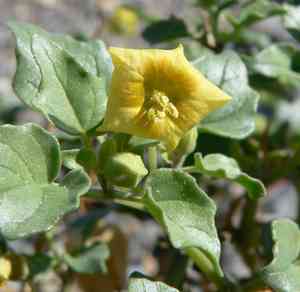
This enduring plant, featuring bright yellow fruits, yellow nightshade groundcherry, flourishes with judicious trimming. Eliminate any deceased or ailing stalks to preserve its well-being and structure. Perform pruning during spring or summer to stimulate fresh development and fruit yield. Make certain all cuts are precise to avert harm. Trimming improves air movement and light exposure, which are crucial for yellow nightshade groundcherry's vigor and productivity.
What Are the Benefits of Pruning Yellow Nightshade Groundcherry?
What Are the Benefits of Pruning Yellow Nightshade Groundcherry?
Trimming yellow nightshade groundcherry promotes robust development and helps maintain its desired form. Strategic cuts can stimulate fresh growth, ensuring the plant stays healthy and visually appealing.
What Is the Best Time for Pruning Yellow Nightshade Groundcherry?
What Is the Best Time for Pruning Yellow Nightshade Groundcherry?
Pruning yellow nightshade groundcherry in late spring and early summer aligns with its active growth period, allowing the plant to quickly recover from the stress of pruning and integrate it into its natural growth cycle. Additionally, post-winter pruning removes dead or damaged stems, optimizing plant health and vigor. Pruning just before the flowering and fruiting season can stimulate the production of flowers and fruits, enhancing the plant's yield. These seasons also allow gardeners to shape the plant effectively during its most resilient period, thus avoiding damage that could occur in less favorable seasons, such as the dormant winter period or the stressful heat of late summer.
What Tools Do I Need to Prune Yellow Nightshade Groundcherry?
Hand Pruners
Perfect for making clean cuts on yellow nightshade groundcherry's smaller stems and branches, minimizing harm to plant tissues.
Gloves
Yellow nightshade groundcherry may have parts that are either prickly or could cause skin irritation, and gloves protect hands during pruning.
Pruning Saw
For older or woodier stems of yellow nightshade groundcherry, a pruning saw may be necessary to cut through thicker growth without causing strain to the gardener or damage to the plant.
Loppers
When stems are too thick for hand pruners but not thick enough to require a saw, loppers provide the leverage needed for a clean cut on yellow nightshade Groundcherry.
Shears
If shaping yellow nightshade groundcherry or trimming lots of small growth, shears offer a quicker way to neatly trim the plant.
Disinfectant
To prevent spreading disease, tools should be disinfected before and after use on yellow nightshade groundcherry. This ensures that the cuts are clean and the plant remains healthy.
Garden Waist Bag
A bag to hold tools keeps them handy and allows for easy disposal of trimmed material, making the pruning process more efficient and tidy for yellow nightshade groundcherry.
How to Prune Yellow Nightshade Groundcherry
Disinfect Tools
Before starting, ensure all pruning tools are clean and disinfected to prevent the spread of disease to yellow nightshade groundcherry.
Remove Diseased Leaves
Carefully inspect yellow nightshade groundcherry for diseased leaves. Using disinfected pruning shears, trim these leaves at the base where they meet the stem, avoiding damage to the main stem.
Remove Withered Leaves
Identify any withered or dead leaves on yellow nightshade groundcherry. Gently remove these by snipping them off at their base to promote healthy growth and airflow, which helps to reduce disease pressure.
Remove Diseased Stems
Examine yellow nightshade groundcherry for stems that show signs of disease. Make clean cuts to remove affected stems, cutting back to healthy tissue to prevent further infection.
Tidy Up
After pruning, clean up any fallen debris around yellow nightshade groundcherry to discourage pests and disease. Safely dispose of all diseased material to prevent its spread.
Common Pruning Mistakes with Yellow Nightshade Groundcherry
Over-Pruning
Removing too much foliage from yellow nightshade groundcherry can stress the plant, leading to reduced vigor and fewer blooms. It can be tempting to prune aggressively for shaping purposes, but it's important to remove no more than one-third of the vegetation at any given time.
Improper Cuts
Making cuts that are either too close or too far from the nodes on yellow nightshade groundcherry can lead to poor healing and increase the risk of disease. Cuts should be made at a 45-degree angle just above an outward-facing bud or node to promote optimal healing and new growth.
Using Dull Tools
Pruning yellow nightshade groundcherry with dull blades can cause tearing and ragged cuts, which are more susceptible to disease. Always use sharp, sterilized pruning tools to make clean, precise cuts.
Neglecting Plant Health
Failing to assess the health of yellow nightshade groundcherry before pruning can result in cutting away healthy growth instead of targeting dead, diseased, or damaged stems. It's essential to inspect the plant thoroughly and prune with a targeted approach.
Common Pruning Tips for Yellow Nightshade Groundcherry
Clean Equipment
Ensure that all pruning tools are clean and sharp before starting. This prevents the spread of disease among plants and facilitates making precise cuts without damaging yellow nightshade groundcherry.
Selective Pruning
Focus on selective pruning of yellow nightshade groundcherry that aims to remove only the dead or damaged stems and leaves. This encourages better air circulation and light penetration, which is vital for the plant's health and blooming.
Consider Shape
Prune yellow nightshade groundcherry by considering its natural growth habit and desired shape. Aim to encourage an open, airy structure that allows light to reach the center. This can be achieved by thinning crowded areas, ensuring you do not alter the natural form too drastically.
Encourage New Growth
Encouraging new growth on yellow nightshade groundcherry involves pruning just above a set of leaves or side stem, which will stimulate new branches and potentially more flowers. Be mindful to maintain an even structure and balance during this process.



