How to Transplant Celery pine?
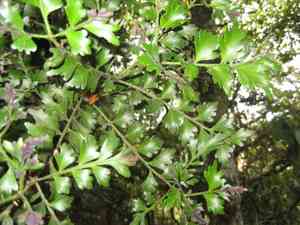
The most favorable period for transplanting celery pine is as winter's cold recedes and prior to summer's intense warmth—specifically, in the mild temperatures of late spring. Select a location offering abundant moisture but with excellent drainage. When shifting celery pine, guarantee that the root system remains intact for the best outcome.
What Preparations are Needed Before Transplanting Celery Pine?
What is the Ideal Time for Transplanting Celery Pine?
The prime period to relocate celery pine is during nature's awakening, typically from early spring's renewal to late spring's bloom. This timing allows celery pine to establish itself in its new spot with the benefit of moderate temperatures and increased daylight, providing optimal conditions for root development and new growth. Moving celery pine into your garden in harmony with spring's vital energy not only aligns with the plant's natural growth cycle but also boosts root formation before summer's full heat. Make the transfer when celery pine has not yet used its energy for summer flowering, enabling it to direct vigor into building a strong root system in its fresh home.
How Much Space Should You Leave Between Celery Pine Plants?
When planning to rehome celery pine in your garden, aim for ample spacing. A good guideline is between 16 and 33 feet (approximately 5-10 meters) apart. This ensures they have sufficient room to grow tall and wide without competing for essential nutrients!
What is the Best Soil Mix for Celery Pine Transplanting?
To give celery pine the best start, select a soil that drains well. Incorporate a balanced, slow-release fertilizer as a base to nourish your plant. Mixing in compost is an excellent way to enhance soil health and provide celery pine with an extra boost of natural goodness!
Where Should You Relocate Your Celery Pine?
Find a location for celery pine where they will receive sunlight for part of the day, but also enjoy some shade. A spot with morning sun and afternoon shade is often ideal. This balance will help your celery pine thrive without becoming too hot.
What Equipments Should You Prepare Before Transplantation Celery Pine?
Gardening Gloves
To safeguard your hands while handling soil and the plant.
Shovel or Spade
For excavating the celery pine from its original spot and preparing the new planting site.
Pruning Shears
To trim any damaged or lifeless roots and branches.
Wheelbarrow or Garden Cart
For moving the celery pine and soil.
Watering Can or Hose
For hydrating the celery pine before and after its relocation.
Mulch
To help maintain soil moisture and regulate temperature post-planting.
Support Stakes or Ties
To stabilize the celery pine if needed after transplanting.
How Do You Remove Celery Pine from the Soil?
How Do You Remove Celery Pine from the Soil?
From Ground: First, water the celery pine to dampen the surrounding earth. Using a spade or shovel, dig a wide circle around the specimen, being careful not to harm the root system. Gently slide the tool under the root mass to help lift the celery pine from its previous spot.From Pot: Moisten the soil, then carefully lay the pot on its side. Roll it slightly to loosen the root mass. Support the base of the celery pine with your hand, and carefully slide it out, ensuring the root ball stays intact.From Seedling Tray: Water the seedlings thoroughly before transplanting. Using a spoon or a transplanting tool, gently lift each individual celery pine, taking care to keep the root ball and as much soil around it as possible.
Step-by-Step Guide for Transplanting Celery Pine
Root Inspection
Examine the roots of the celery pine once it's removed. Trim any damaged or circling roots, making clean cuts with pruning shears.
Transport Precaution
If not transplanting immediately, ensure the roots of the celery pine are kept moist and shielded from sunlight and wind during transit.
Transplant Hole Preparation
Dig a hole in the ground twice the width of the root ball and of equal depth, to encourage growth. Carefully place the celery pine in the center.
Plant Positioning
Verify the celery pine stands upright and at the same depth it was in its original setting. Backfill the hole gently, without compacting the soil, ensuring firm contact with roots.
Watering
After transplanting, water the celery pine generously to settle the roots and reduce air pockets. Water slowly to allow absorption.
Stabilizing
If the celery pine is unstable, insert support stakes into the ground and loosely tie the celery pine to them, allowing some movement. This supports the celery pine's growth.
How Do You Care For Celery Pine After Transplanting?
Regular Monitoring
Frequently inspect the celery pine for indications of transplant shock, which may include wilting or discolored leaves.
First Week Care
During the initial week, provide ample water to ensure the root zone remains hydrated as the celery pine adjusts to its new environment.
Mulching
Apply a layer of mulch around the base of the celery pine, without touching the trunk, to maintain moisture and regulate soil temperature.
Pruning
Only prune damaged or dead branches to help the celery pine focus energy on root establishment. Avoid excessive pruning during initial stages.
Troubleshooting Common Issues with Celery Pine Transplantation.
When is the best time to transplant celery pine?
Optimal transplanting time for celery pine is from early spring to late spring, ensuring mild weather conditions.
How far apart should I space celery pine during transplanting?
Ensure ample room for growth; leave 16-33 feet (5-10 meters) between each celery pine.
What soil conditions favor celery pine transplant success?
Use well-draining soil rich in organic matter, with a slightly acidic to neutral pH for celery pine.
How do I prepare the ground before transplanting celery pine?
Loosen the soil and mix in compost or aged manure to a depth of 12-15 inches (30-38 cm) for celery pine.
What's the ideal depth and width for celery pine's transplanting hole?
Dig a hole twice the width and the same depth as the root ball to accommodate celery pine's growth.
How frequently should I water celery pine after transplanting?
Water celery pine generously at planting and then regularly to keep soil moist, without being waterlogged.
Can celery pine tolerate transplanting during hot weather?
No, celery pine prefers cooler transplant times; avoid hot temperatures to prevent stress and dehydration.
How do I ensure celery pine doesn't get root-bound during transplanting?
Gently tease out roots before planting celery pine to prevent root-circling and encourage outward growth.
Should I prune celery pine when transplanting?
Trim any damaged roots or branches to encourage healthy growth, but avoid excessive pruning.
What are the signs of transplant shock in celery pine?
Wilted or discolored leaves and stunted growth can indicate transplant shock in celery pine. Ensure proper care post-transplant.



