How to Prune Celery pine?
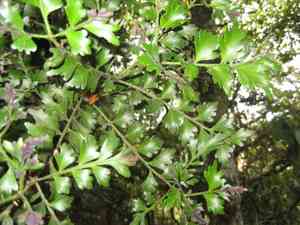
Regarding celery pine, a coniferous plant featuring flattened, foliage-like formations, undertake pruning during its inactive winter period to preserve its form and eliminate any deceased or ailing portions. This method fosters robust new development when spring arrives. Refrain from extensive pruning as the plant might not recover as swiftly. Instead, concentrate on judiciously thinning congested regions to enhance air movement and light exposure, which can aid in averting fungal ailments. Always employ sharp, disinfected implements to execute precise cuts and lessen the strain on celery pine.
Advantages of Trimming Celery Pine
Advantages of Trimming Celery Pine
Trimming celery pine promotes robust development and preserves its desired form. Strategic cuts enhance air circulation and sun exposure, crucial for the plant's strong vitality.
Optimal Time for Trimming Celery Pine
Optimal Time for Trimming Celery Pine
From late winter to early spring, celery pine is dormant before new growth starts. Pruning then minimizes plant stress and disease risk, as the plant can recover and seal cuts when growth resumes. Also, without leaves, celery pine's structure is clearer, allowing for more precise and effective pruning.
Tools Required for Trimming Celery Pine
Hand Pruners
Ideal for snipping small branches and leaves. Celery pine's foliage can be delicately managed with bypass pruners, which deliver clean, accurate cuts without harming nearby stems or leaves.
Lopping Shears
These are perfect for severing thicker branches too large for hand pruners but not quite big enough for a saw. Given celery pine's potential for moderately thick branches, lopping shears can handle branches up to about 1.5 inches (38mm) in diameter.
Pruning Saw
For the hardwood and larger branches that may occasionally need removal, a suitable pruning saw is essential. A folding saw with tri-cut or razor teeth can efficiently manage branches thicker than 1.5 inches (38mm).
Pole Pruner
Celery pine can grow quite tall, and a pole pruner will enable you to trim out-of-reach branches without a ladder. This tool should feature both a saw and a lopper attachment for versatility.
Hedge Shears
If shaping celery pine's outer foliage or hedge is desired, hedge shears can provide a uniform trim to the soft, green growth and help maintain a preferred shape.
How to Trim Celery Pine
Sanitize tools
Clean and disinfect all trimming tools to prevent disease transmission to celery pine.
Evaluate
Carefully inspect celery pine to locate dead or diseased branches that need removal.
Cut dead branches
Using sharp pruning shears, cleanly cut dead branches at their base or back to a healthy lateral branch, ensuring no damage to celery pine's surrounding bark.
Remove diseased branches
Eliminate diseased branches by cutting at least several inches into healthy wood to ensure all infected parts are removed from celery pine.
Discard
Properly dispose of the removed dead and diseased material to prevent the spread of any pathogens that might affect celery pine.
Common Trimming Errors with Celery Pine
Excessive pruning
Removing too much growth at once can stress celery pine, potentially leading to poor health and reduced vigor. It's crucial to prune gradually, focusing on damaged or diseased parts first.
Incorrect cutting method
Improper cutting techniques can cause unnecessary harm to celery pine's branches and trunk. Clean, angled cuts that avoid tearing the bark will promote better healing and prevent disease entry.
Neglecting tool cleanliness
Failing to sterilize pruning tools can introduce diseases to celery pine, which can spread rapidly. Sterilizing tools before and after use will help maintain celery pine's health.
Ignoring plant structure
Not considering celery pine's natural growth habit can result in a misshapen or weakened plant. Prune with an understanding of celery pine's natural form to maintain its structural integrity.
Pruning without a strategy
Random or unplanned pruning can lead to a lack of balance and symmetry in celery pine's appearance. Having a clear vision of the desired outcome will lead to more aesthetically pleasing results.
General Trimming Advice for Celery Pine
Identify and remove
Locate and remove dead, diseased, or damaged branches on celery pine. This encourages healthier growth and reduces the chance of pest issues.
Use sharp tools
Employ sharp, clean pruning tools to make precise cuts. This minimizes damage to celery pine and promotes quicker healing.
Follow natural shape
Respect celery pine's natural shape and growth pattern when pruning. This will help maintain the plant's health and aesthetic appeal.
Encourage airflow
When thinning celery pine, aim to open up the canopy to improve sunlight penetration and airflow. This helps reduce the likelihood of fungal infections.
Sequential pruning
Apply a sequential approach to pruning celery pine by spreading the pruning work over several seasons. This prevents shock and supports a steady recovery and growth.



