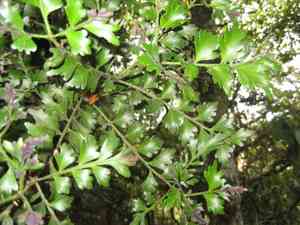
Celery pine (Phyllocladus trichomanoides)
Also known as: Tanekaha, Celery Pine
The Pohutukawa (Metrosideros excelsa) is an ornamental tree known for its unique lobed leaves. It is commonly planted in parks and urban areas due to its high tolerance for drought and exposed conditions. Historically, the Maori people of New Zealand used the bark of the Pohutukawa to produce a red dye.
In This Article
Attributes of Celery pine
Lifespan
Perennial
Plant Type
Tree
Plant Height
25 m
Spread
9 m
Leaf Color
Dark green (phylloclades)
Flower Size
30 cm
Flower Color
White
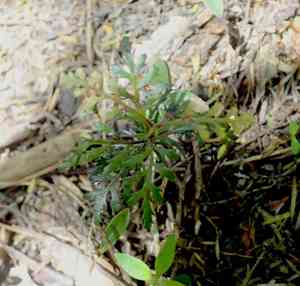
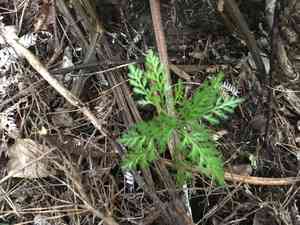
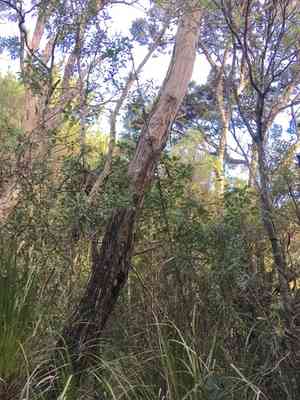
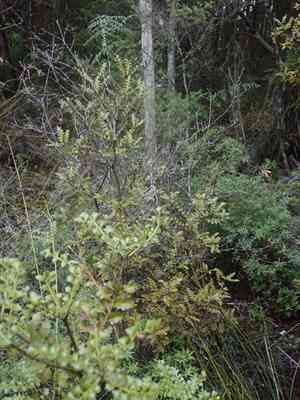
Images of Celery pine
Quickly Identify Celery pine
1
Look for phylloclades, which are flattened, leaf-like branches that perform photosynthesis. The tree can reach heights up to 20 meters and has a greyish-brown bark.
Scientific Classification of Celery pine
Phylum
Vascular plants
Class
Conifers
Order
Pinales
Family
Phyllocladaceae
Genus
Celery pine
Species
Celery pine
Planting and Growing of Celery pine
Care Difficulty
Moderate
Watering Schedule
Every 2 days
Sunlight Requirements
Partial sun
Sunshine Duration
6-10 hours
Ideal Temperature
50-68℉
Soil Type
Potting Mix, Peat Mix
Soil pH
6.5-7.5
Fertilizer Type
Balanced
Pruning Season
Spring, Summer
Pruning Area
Branches, Leaves
Pruning Frequency
2 times a year
Repotting Season
Spring
Pot Type
Plastic, Ceramic
 How to Water Celery pine?
Phyllocladus trichomanoides typically requires moderate watering. To determine the correct amount, ensure the soil is evenly moist but not saturated. A good rule is to use approximately 500 milliliters of water, which usually suffices to reach the plant roots without waterlogging.
What are the symptoms of an underwatered Celery pine?
›
What should I do if my Celery pine is not getting enough water?
›
What are the symptoms of an overwatered Celery pine?
›
How to save an overwatered Celery pine?
›
 What Are the Sunlight Requirements for Celery pine?
Partial shade offers a balanced light exposure, allowing Phyllocladus trichomanoides to maintain healthy growth with vibrant foliage and less risk of heat stress from direct sunlight.
More About Sunlight Requirements Techniques→
What is the best lighting for Phyllocladus trichomanoides?
›
How can I provide the best light conditions?
›
What are the benefits of ideal lighting conditions?
›
 What Is the Ideal Temperature Range for Celery pine?
The ideal temperature range for growing Phyllocladus trichomanoides lies between 50°F and 68°F. This range provides optimal conditions for physiological activities, such as photosynthesis and nutrient uptake, ensuring robust growth and development. Within these temperatures, the vitality and resistance to disease tend to be at their peak.
 What Soil is Best for Celery pine?
Phyllocladus trichomanoides thrives in well-drained soils, which prevent waterlogging and promote healthy root growth. Adequate drainage reduces the risk of root rot and other moisture-related diseases, ensuring a robust plant structure. This plant prefers soils with moderate nutrient levels. A balance helps sustain steady growth without overwhelming the plant with excessive nutrients that could lead to weak, leggy growth. While the soil should be well-draining, it should also retain enough moisture to keep the plant hydrated during dry spells. This balance is crucial for maintaining lush foliage and overall plant vitality.
 How to Fertilize Celery pine?
For optimal growth, Phyllocladus trichomanoides benefits from a balanced fertilizer formulated with equal parts nitrogen, phosphorus, and potassium. Apply liquid fertilizer at a rate of 1 tablespoon per gallon of water, ensuring even coverage over the plant’s root zone. With slow-release granular fertilizers, use approximately 50 grams per square meter, distributed uniformly beneath the plant's canopy. This dosage maintains strong growth and vibrant foliage without the risk of fertilizer burn.
 How to Prune Celery pine?
Start by gathering sharp pruning shears and disinfecting them to prevent disease transmission. Begin with removing any dead or diseased branches to promote healthy growth and enhance the tree's shape. Make cuts at a 45-degree angle to prevent water accumulation. Phyllocladus trichomanoides, known for its distinctive leaf-like shoot structures, benefits from shaping to maintain its aesthetic appearance. Trim back branches that disrupt the natural growth pattern or are overly crowded, ensuring ample air circulation through the canopy. This helps prevent fungal infections and keeps the plant vibrant.
More About Pruning Techniques→
 How to Propagate Celery pine plant?
1
Collect mature seeds from the cones of Phyllocladus trichomanoides. Ensure they are fully dried before planting to improve germination success rates.
2
Select healthy and semi-hardwood stems for cuttings. Cut segments measuring about 10-15 cm, ensuring to keep some leaves intact to aid photosynthesis.
3
Fill seed trays with a well-draining soil mix. Plant seeds or cuttings at the appropriate depth and space them adequately to foster growth.
 How to Repot Celery pine plant?
1
The ideal time to repot Phyllocladus trichomanoides is in spring or summer when the plant shows signs of becoming root-bound. Look for roots growing out of the drainage holes or the plant outgrowing its pot. These indicators suggest that it's time for a bigger space.
2
Select a pot that is one size larger than the current one, ensuring it has drainage holes. A pot too large can lead to water logging, whereas a properly sized pot allows ample root growth and moisture control. The material of the pot should allow for breathability, such as terracotta.
3
Choose a soil mix that is rich yet provides good drainage. A free-draining mix prevents water accumulation, reducing the risk of root rot. This type of soil also mimics the plant's natural habitat, promoting robust growth and health.



