How to Transplant Wild date palm?
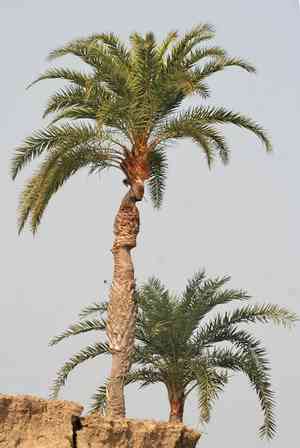
The most suitable period for relocating wild date palm spans from the start of colder seasons through the emergence of new spring growth, facilitating robust rooting. Opt for brightly lit spots featuring soil that drains effectively, and safeguard the root system from trauma through gentle manipulation.
What Preparations are Needed Before Transplanting Wild Date Palm?
What is the Ideal Time for Transplanting Wild Date Palm?
The optimal period to move wild date palm is from the coolness of early winter through the gentle warmth of mid-spring. This timeframe allows roots to adapt without the strain of extreme temperatures, providing the best conditions for root establishment and growth in anticipation of hotter months. Transplanting at this time utilizes the seasonal cycle, enabling wild date palm to benefit from the upcoming fertile spring for robust development. The cool yet invigorating weather minimizes shock, offering wild date palm the smoothest transition to its new site.
How Much Space Should You Leave Between Wild Date Palm Plants?
Hello, gardening enthusiast! When rehousing wild date palm, aim for a spacing of 15-20 feet (4.6-6 meters). This provides ample room for their fronds to spread and flourish without competition.
What is the Best Soil Mix for Wild Date Palm Transplanting?
For wild date palm, a well-draining sandy or loamy soil is perfect! Give them a boost with a balanced slow-release fertilizer. Mix it into the soil before planting to help your wild date palm settle in nicely.
Where Should You Relocate Your Wild Date Palm?
Sunlight is crucial for wild date palm, so select a bright location where they can receive full sun for at least 6-8 hours daily. A south-facing spot in your garden would be ideal for these sun-loving plants!
What Equipments Should You Prepare Before Transplantation Wild Date Palm?
Gardening Gloves
To safeguard your hands while handling soil and the plant.
Shovel or Spade
For excavating the plant and moving it to a new spot.
Watering Can or Hose
To hydrate the plant before and after its relocation.
Wheelbarrow
To transport the plant and soil, especially for larger specimens.
Pruning Shears
To trim any damaged roots or leaves, if required.
Tarp or Burlap
To secure the root ball during transit.
Measuring Tape
To ensure correct spacing between transplanted plants.
Garden Fork
To loosen the soil around the plant without causing excessive root damage.
How Do You Remove Wild Date Palm from the Soil?
How Do You Remove Wild Date Palm from the Soil?
From Ground: First, thoroughly water the wild date palm to moisten the soil, making it easier to manage. Using a shovel or spade, carefully dig a wide circle around the plant to avoid harming the root ball. Gently leverage and lift the plant, preserving as much of the root system as possible.From Pot: Water the wild date palm well beforehand. Tilt the container and gently tap or press its sides to loosen the plant. Slowly ease the plant out, supporting its base and stem, taking care to keep the root ball intact.From Seedling Tray: Moisten the soil to allow the seedling to slide out more easily. Use a spoon or a small tool to lift the seedling by its root ball, avoiding disturbance to the plant's roots.
Step-by-Step Guide for Transplanting Wild Date Palm
Preparation
Water the wild date palm thoroughly before beginning the transplant to help minimize shock.
Excavation
Prepare the new planting hole in the ground before extracting wild date palm from its current spot. The hole should be twice as wide as the root ball and of equal depth.
Removal
For ground removal, dig around and beneath wild date palm to free the root ball. For pots, carefully invert and remove wild date palm, keeping soil around the roots. From trays, gently ease wild date palm out with a spoon or similar tool.
Transport
Use a tarp or burlap to move the root ball. A wheelbarrow can assist with heavier plants.
Installation
Position wild date palm in the center of the prepared hole so that the top of the root ball is level with the ground surface. Backfill with the excavated soil, gently firming to eliminate air pockets.
Watering
Water the wild date palm immediately after transplanting to settle the soil around the roots and provide essential hydration.
How Do You Care For Wild Date Palm After Transplanting?
Initial Watering
Water thoroughly and consistently for the first few weeks without saturating the soil, ensuring that wild date palm establishes itself.
Support
Provide support with stakes if wild date palm has a tall and thin trunk to prevent it from bending or breaking in wind or under its own weight.
Pruning
Trim any visibly damaged or broken roots and foliage during transplanting to promote healthy growth.
Monitoring
Keep an eye on the plant for signs of transplant shock, which can manifest as wilting leaves or stunted growth, and take action as necessary.
Mulching
Apply a layer of organic mulch around the base of wild date palm to conserve moisture, regulate soil temperature, and reduce weed competition.
Troubleshooting Common Issues with Wild Date Palm Transplantation.
What's the best time to transplant wild date palm?
The optimal period for transplanting wild date palm is from early winter to mid-spring, ensuring better root establishment.
How far apart should I plant wild date palm?
Space wild date palm sufficiently, about 15-20 feet (4.5-6 meters) apart, to accommodate growth and ensure healthy development.
Why are the leaves of my transplanted wild date palm turning yellow?
Yellow leaves often indicate stress from over or under-watering, or shock from transplanting. Check soil moisture and adjust watering accordingly.
How much should I water wild date palm after transplanting?
Water wild date palm generously after transplanting to settle the soil, then establish a regular watering schedule to keep the soil consistently moist.
Why is my transplanted wild date palm not growing?
Growth stalling post-transplant is common due to transplant shock. Ensure proper care and give wild date palm time to adjust to its new location.
Can wild date palm tolerate frost after transplanting?
Freshly transplanted wild date palm are vulnerable to frost. Protect them with mulch or frost covers if unexpected cold weather occurs.
What kind of soil is best for transplanting wild date palm?
Well-draining soil enriched with organic matter is ideal for wild date palm, aiding in healthy root development and nutrient absorption.
How deep should the hole be when transplanting wild date palm?
The hole should be twice as wide and the same depth as the root ball, allowing room for root expansion without burying the trunk too deep.
Should I prune wild date palm before or after transplanting?
Lightly pruning wild date palm before transplanting can reduce stress on the plant. Focus on dead or damaged fronds to encourage new growth.
What are signs of good root establishment in transplanted wild date palm?
New growth, such as fresh fronds and increased foliage density, indicates that wild date palm is establishing well post-transplant.



