The Wild date palm Plant Advantage: Maximizing Home and Office Appeal and Wellness
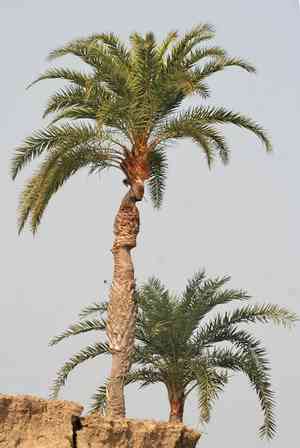
1
The wild date palm contains abundant vital nutrients and antioxidants.
2
It aids in enhancing soil richness and preventing soil degradation.
3
Wild date palm provides a crucial living space for diverse animal populations.
Why is Wild Date Palm a Nutritional Powerhouse?
Wild Date Palm: Abundant in Key Nutrients
A prominent characteristic of the Wild Date Palm is its rich nutritional makeup. This plant is packed with essential vitamins, minerals, and antioxidants vital for maintaining optimal health. These nutrients not only support the plant's own growth and development but also benefit the broader ecosystem by offering a natural food source for various species.
Antioxidant Qualities of Wild Date Palm
The Wild Date Palm is particularly noteworthy for its high antioxidant content. Antioxidants are compounds that help neutralize harmful free radicals in the environment, reducing oxidative stress and promoting overall well-being. By integrating Wild Date Palm into your landscaping or agricultural methods, you can contribute to a healthier and more balanced ecosystem.
How Does Wild Date Palm Enhance Soil Health?
Boosting Soil Fertility
The Wild Date Palm is recognized for its capacity to improve soil fertility. The plant's extensive root system helps to aerate the soil, facilitating better water penetration and nutrient uptake. This, in turn, encourages the growth of other plants and contributes to a more fertile and productive landscape.
Combating Soil Erosion
Soil erosion presents a significant environmental challenge, but the Wild Date Palm can play a crucial role in mitigating this issue. The plant's widespread root network stabilizes the soil, reducing erosion caused by wind and water. This not only preserves valuable topsoil but also prevents the loss of nutrients essential for plant growth.
What Role Does Wild Date Palm Play in Supporting Wildlife?
Providing Wildlife Habitat
The Wild Date Palm offers vital habitat for a diverse range of wildlife species. The plant's leaves and trunk provide shelter and nesting locations for birds, insects, and small mammals. This increase in biodiversity contributes to a more balanced and resilient ecosystem, supporting the intricate web of life that relies on plant and animal interactions.
Supporting Pollinators
Pollinators such as bees, butterflies, and other insects are crucial for the reproduction of many plant species, including the Wild Date Palm. By serving as a food source and habitat for these pollinators, the Wild Date Palm plays an essential role in sustaining the health and productivity of the ecosystem. This, in turn, ensures the continued pollination of crops and wild plants, benefiting both agricultural practices and natural habitats.
How Can Wild Date Palm Be Integrated into Landscaping and Agriculture?
Incorporating Wild Date Palm into Sustainable Landscaping
Integrating the Wild Date Palm into your landscaping can offer numerous ecological and aesthetic advantages. Its dense foliage provides shade and wind protection, while its deep roots enhance soil structure and water retention. Whether used as a focal point in garden design or as part of a larger reforestation project, the Wild Date Palm can boost the beauty and sustainability of your outdoor areas.
Role of Wild Date Palm in Agroforestry
The Wild Date Palm is also valuable in agroforestry practices, where it can be combined with other crops to create more diverse and resilient agricultural systems. Its ability to improve soil health and provide habitat for beneficial insects makes it an excellent companion plant for various crops. By incorporating the Wild Date Palm into agroforestry practices, farmers can enhance productivity while promoting ecological balance.



