How to Transplant Largeleaf Phlox?
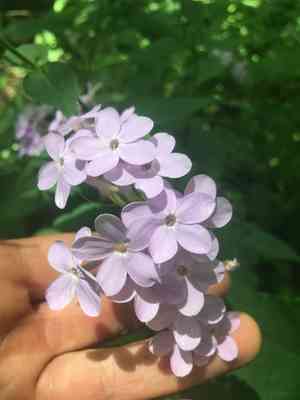
Spring offers an excellent period for relocating largeleaf Phlox, as the moderate temperatures are ideal for root development. Select a location that receives partial shade and has soil that drains effectively. During the transplanting process, ensure the soil remains damp to facilitate successful acclimation.
What Preparations are Needed Before Transplanting Largeleaf Phlox?
What is the Ideal Time for Transplanting Largeleaf Phlox?
The optimal period for moving largeleaf Phlox is during the spring awakening. This allows roots to establish prior to summer, boosting vigor and flowering potential. A favorable transplant season makes largeleaf Phlox more robust and resistant to pests and diseases. By choosing this opportune timeframe, you provide largeleaf Phlox the best chance to flourish in its new home.
How Much Space Should You Leave Between Largeleaf Phlox Plants?
Begin by preparing a site for your largeleaf Phlox. Remember that this plant appreciates ample room, so ensure each largeleaf Phlox is spaced 1-2 feet (30 to 60 cm) apart. This spacing aids their growth and beautiful development.
What is the Best Soil Mix for Largeleaf Phlox Transplanting?
Your largeleaf Phlox prefers soil that drains well and is fertile. Before planting, enrich the soil with organic material or a foundational fertilizer. This preparation will supply the nutrients necessary for largeleaf Phlox to thrive.
Where Should You Relocate Your Largeleaf Phlox?
Select a spot for your largeleaf Phlox that receives abundant sunlight. While they can endure some partial shade, largeleaf Phlox perform best when they get at least six hours of sunlight daily. Happy gardening!
What Equipments Should You Prepare Before Transplantation Largeleaf Phlox?
Gardening Gloves
To protect your hands from dirt and any potential thorns or sharp objects in the ground.
Shovel or Spade
To dig the hole for transplanting and assist in removing the largeleaf Phlox from its original spot.
Gardening Trowel
A small hand tool used for scooping soil and digging minor holes.
Watering Can
To provide moisture to the plant both before and after transplant.
Wheelbarrow (Optional)
For transporting the largeleaf Phlox between its initial and new locations, especially if the distance is considerable.
Pruning Shears
To trim any damaged roots or stems during the transplanting process.
Garden Knife
To loosen the roots when extracting largeleaf Phlox from a pot or a seedling tray.
Gardening Fork
To loosen the soil around largeleaf Phlox when transplanting from the ground.
How Do You Remove Largeleaf Phlox from the Soil?
How Do You Remove Largeleaf Phlox from the Soil?
From Ground: Water the largeleaf Phlox plant several hours before the scheduled removal to make the soil easier to manage. Dig a wide circle around the plant with your shovel or spade, allowing space to keep the root ball intact. Carefully lift the plant from the soil, ensuring minimal root damage.From Pot: Water the largeleaf Phlox if the soil appears dry. Gently invert the pot and tap it to encourage the largeleaf Phlox to slide out naturally. If this fails, you might need to use your garden knife to carefully cut around the pot's edge.From Seedling Tray: If largeleaf Phlox is growing in a seedling tray, ensure the soil is moist then gently lift the seedling by holding its leaves and using a garden trowel or a small spoon to scoop it out.
Step-by-Step Guide for Transplanting Largeleaf Phlox
Preparation
Prepare the new planting hole wider and deeper than the largeleaf Phlox's root ball to allow its roots room to spread. Fill it with some loosened soil to create a comfortable bed for the plant.
Transplanting
Carefully place largeleaf Phlox into the prepared hole, ensuring the top of the root ball is level with or slightly above the ground. Backfill the hole with soil, gently firming it around the plant's base.
Watering
After transplanting, thoroughly water largeleaf Phlox with a watering can, ensuring it is well hydrated and the surrounding soil is moist but not waterlogged.
Trimming
If necessary, use your pruning shears to trim any dead or wilting parts of largeleaf Phlox so the plant can focus its energy on healthy growth.
How Do You Care For Largeleaf Phlox After Transplanting?
Monitoring
Observe largeleaf Phlox for indications of shock or stress, such as wilting leaves and discolored foliage. If these symptoms appear, your plant may require more attention, like additional watering or slight adjustments to its position.
Careful Watering
Ensure you water your largeleaf Phlox plant consistently. The soil should remain moist, but not overly saturated. Excessive watering can lead to waterlogged roots and potential root rot.
Pruning
Regularly trim any dead stems or flowers to promote healthy growth. This will keep your largeleaf Phlox looking neat and allow it to direct its energy into fresh, new growth.
Patience
Remember, plants often need time to adjust after being transplanted. Don't worry if you don't see immediate growth. With proper care and attention, your largeleaf Phlox should eventually thrive and resume growing.
Troubleshooting Common Issues with Largeleaf Phlox Transplantation.
What is the ideal season for transplanting largeleaf Phlox?
The perfect time to transplant largeleaf Phlox is during the cooler seasons - early spring to early summer (S1-S3).
How far apart should I space my largeleaf Phlox while transplanting?
Largeleaf Phlox requires space to grow. Ensure to plant each largeleaf Phlox 1-2 feet (30.5 - 61 cm) apart.
Does largeleaf Phlox require pre-soaking before transplanting?
No, largeleaf Phlox does not need pre-soaking before transplanting. Simply prepare the soil and plant directly.
How should I prepare the soil before transplanting largeleaf Phlox?
Prepare the soil by loosening it to a depth of approximately 12 inches (30.5 cm). Incorporate compost for improved nutrition.
Should I prune largeleaf Phlox before or after transplanting?
It's best to prune largeleaf Phlox slightly before transplanting. This reduces water loss and stress on the plant.
What is the ideal depth for transplanting largeleaf Phlox?
Largeleaf Phlox should be planted so that the top of the root ball is at the same level as the ground surface.
What care should I take immediately after transplanting largeleaf Phlox?
Ensure to water largeleaf Phlox thoroughly after transplanting to help it establish. Also, provide shade cover if the weather is too warm.
How long does it take for largeleaf Phlox to establish after transplanting?
Largeleaf Phlox typically takes a few weeks to become established after being transplanted. Be patient and provide regular care.
Why are my transplanted largeleaf Phlox wilting?
Wilting after transplanting is common due to shock. Ensure largeleaf Phlox is watered and in shade. If wilting persists, check for root diseases.
How to manage pests after transplanting largeleaf Phlox?
Monitor your largeleaf Phlox closely post-transplanting. If any signs of pests appear, use natural or recommended pesticides as soon as possible.



