How to Prune Largeleaf Phlox?
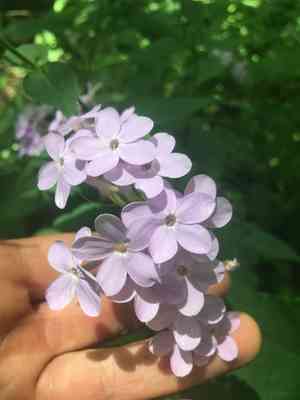
This enduring plant, featuring prominent blossoms, benefits from the removal of faded flowers to stimulate additional blooming. After the flowering period, shorten the stems to foster a more compact habit. In spring, perform pruning to eliminate any winter-related damage and to sculpt the plant. Minor trimming during summer helps sustain its well-being. During autumn, reduce the foliage to deter illnesses. Strategic pruning boosts vitality and the caliber of its flowers, with precise timing being essential for synchronizing with the plant's life cycle.
Advantages of Trimming Largeleaf Phlox
Advantages of Trimming Largeleaf Phlox
Trimming largeleaf Phlox promotes healthier, more abundant blooms, stimulating the plant to grow with greater vigor. Regular trimming also helps maintain its desired form and size, ensuring a tidy garden appearance.
Optimal Time for Trimming Largeleaf Phlox
Optimal Time for Trimming Largeleaf Phlox
Trimming in late spring, once largeleaf Phlox has completed its flowering cycle, allows for the removal of spent flower stalks and encourages a second flush of blooms. Early summer is also suitable for light trimming to shape the plant and maintain its preferred form. Autumn trimming should be done carefully, focusing on removing dead or diseased stems to prepare largeleaf Phlox for dormancy and prevent potential winter issues. These periods are ideal as they align with largeleaf Phlox's growth cycle, ensuring plant health while maximizing its flowering potential.
Tools Required for Trimming Largeleaf Phlox
Hand Pruners
Perfect for cutting stems and deadheading, hand pruners provide a clean cut that supports plant health.
Pruning Shears
These are suitable for shaping largeleaf Phlox by trimming away excess growth and are especially useful for delicate tasks like thinning out dense areas.
Scissors
Useful for snipping soft stems when deadheading or harvesting flowers from largeleaf Phlox.
How to Trim Largeleaf Phlox
Sanitize tools
Before trimming largeleaf Phlox, clean and disinfect all pruning tools. This prevents the spread of diseases among plants.
Remove diseased leaves
Carefully inspect largeleaf Phlox and trim off any diseased leaves using sharp, disinfected shears. Make cuts close to the base of the affected leaves to promote healthy growth.
Cut withered leaves
Identify and remove withered leaves from largeleaf Phlox to maintain plant vigor. Use a gentle hand to avoid damage to healthy foliage and stems.
Trim withered flowers
Clip off largeleaf Phlox's withered flowers just above a leaf node or a set of new budding leaves. This encourages new blooms and prevents the plant from spending energy on seed production.
Clean up
Dispose of all removed plant material away from the garden to minimize the risk of disease. Clean and store your pruning tools properly after use.
Common Trimming Errors with Largeleaf Phlox
Excessive trimming
Removing too much growth at once can stress largeleaf Phlox, weakening the plant and potentially leading to reduced blooming.
Incorrect cuts
Making cuts too far from or too close to the bud can result in unhealthy growth or damage to largeleaf Phlox. Cuts should be made just above a set of healthy leaves or buds.
Unclean tools
Using tools that are not clean can introduce diseases to largeleaf Phlox, as pathogens can be transferred from plant to plant via dirty pruning equipment.
Neglecting thinning
Failing to thin out congested growth can lead to poor air circulation, which for largeleaf Phlox can increase susceptibility to fungal diseases.
Ignoring damaged limbs
Neglecting to remove dead, diseased, or damaged stems can impair the overall health and aesthetic appeal of largeleaf Phlox.
Trimming for height only
Focusing solely on reducing height and neglecting overall plant shape can lead to a poorly structured largeleaf Phlox that does not flower optimally.
General Trimming Advice for Largeleaf Phlox
Selective cutting
Cut back individual stems selectively to shape largeleaf Phlox and encourage the growth of new shoots, which can lead to more prolific flowering.
Clean tools
Always use clean, sharp pruning shears to make clean cuts on largeleaf Phlox and to prevent the spread of disease.
Trim after flowering
Once largeleaf Phlox has finished blooming, trim back the spent flower heads to direct the plant's energy into producing more blooms and vigorous foliage.
Encourage good habit
Trim largeleaf Phlox by cutting above a node where two new buds form at the base of the old flower to encourage a bushier growth habit and more blooms.
Deadheading
Regularly remove faded flowers from largeleaf Phlox to promote further blooming and prevent the plant from putting energy into seed production.
Removal of dead material
In late winter or early spring, cut back dead or weak stems of largeleaf Phlox to the ground to encourage healthy new growth.



