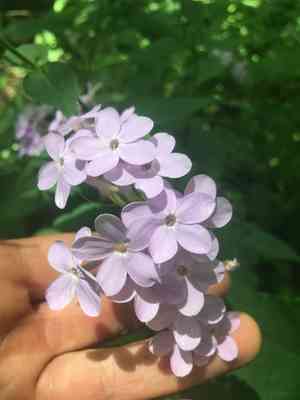
Largeleaf Phlox (Phlox amplifolia)
Also known as: Largeleaf Phlox
Consider planting **Echinacea purpurea**, commonly known as purple coneflower. This hardy perennial is easy to grow and produces stunning purple blooms throughout the summer. Thriving in full sun, it is highly attractive to both butterflies and hummingbirds. Echinacea adds vibrant color, height, and a touch of natural beauty to any summer garden.
In This Article
Attributes of Largeleaf Phlox
Lifespan
Perennial
Plant Type
Herb
Plant Height
66 cm to 76 cm
Spread
50 cm to 60 cm
Leaf Color
Green
Flower Size
2 to 3 centimeters
Flower Color
Pink Purple
Images of Largeleaf Phlox
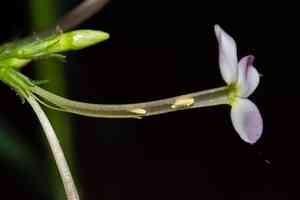
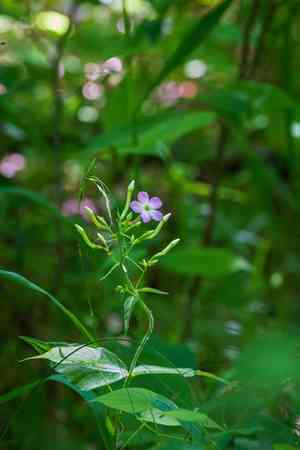
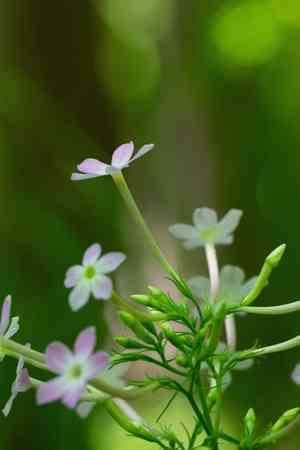
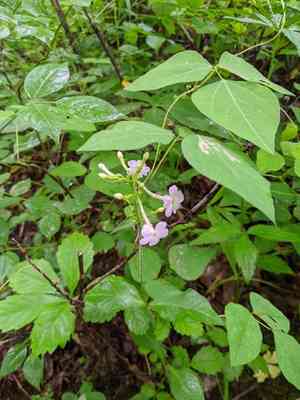
Quickly Identify Largeleaf Phlox
1
Phlox amplifolia can be identified by its large, ovate to elliptical green leaves and its terminal clusters of tubular, five-lobed flowers that range from white to pink or lavender.
Scientific Classification of Largeleaf Phlox
Phylum
Vascular plants
Class
Dicotyledons
Order
Ericales
Family
Phlox
Genus
Phloxes
Species
Largeleaf Phlox
Planting and Growing of Largeleaf Phlox
Care Difficulty
Easy
Watering Schedule
Every 4 days
Sunlight Requirements
Partial sun
Sunshine Duration
6-10 hours
Ideal Temperature
60-75℉
Soil Type
Potting Mix, Peat Mix
Soil pH
5.5-7.5
Fertilizer Type
Balanced
Pruning Season
Spring, Summer
Pruning Area
Branches, Leaves
Pruning Frequency
2 times a year
Repotting Season
Spring
Pot Type
Plastic, Ceramic
 How to Water Largeleaf Phlox?
For Phlox amplifolia, aim to water deeply, ensuring the soil is moist but never waterlogged. Each watering session should provide around 500 milliliters. The goal is to soak the root zone without leaving the plant in standing water.
What are the symptoms of an underwatered Largeleaf Phlox?
›
What should I do if my Largeleaf Phlox is not getting enough water?
›
What are the symptoms of an overwatered Largeleaf Phlox?
›
How to save an overwatered Largeleaf Phlox?
›
 What Are the Sunlight Requirements for Largeleaf Phlox?
Phlox amplifolia requires partial to full sun, which means four to six hours of daily sunlight. This ensures optimal photosynthesis, resulting in lively growth, prolific flowering, and disease resistance.
More About Sunlight Requirements Techniques→
How much light does Phlox amplifolia need?
›
What are some solutions to provide ideal lighting?
›
How does ideal lighting affect Phlox amplifolia?
›
 What Is the Ideal Temperature Range for Largeleaf Phlox?
Phlox amplifolia thrives best within a temperature range of 60°F to 75°F, where it can maintain optimum health and grow robustly. This range offers sufficient warmth for photosynthesis and overall physiological processes without the stress of excessive heat.
 What Soil is Best for Largeleaf Phlox?
Phlox amplifolia thrives in soil that retains moisture well but also drains efficiently. Loam and sandy loam are ideal as they balance moisture retention and drainage, supporting consistent hydration without waterlogging. This plant benefits from nutrient-rich soil, requiring adequate organic matter to flourish. Regularly adding compost can ensure a steady supply of nutrients, boosting growth and flowering. Avoid overly compacted soils; ensure good drainage to prevent root rot. Incorporating sand into the soil mix can facilitate better drainage, promoting root health and oxygenation.
 How to Fertilize Largeleaf Phlox?
For Phlox amplifolia, it's crucial to apply fertilizers in moderation to avoid root burn. A good rule of thumb is to use a quarter to a half strength of the recommended amount on the fertilizer package. This plant prefers a balanced fertilizer like a 10-10-10 or 5-10-5 NPK ratio, diluted in water for liquid applications.
 How to Prune Largeleaf Phlox?
Begin pruning by removing dead or damaged stems. This clears the way for new growth and helps prevent disease from spreading. Cut back to just above a healthy leaf node. To maintain an attractive shape, trim back overgrown stems and spent flowers. This encourages the plant to grow fuller and bloom more profusely. Aim to create a balanced structure with evenly distributed foliage.
More About Pruning Techniques→
 How to Propagate Largeleaf Phlox plant?
1
Harvest mature seeds from healthy Phlox amplifolia plants in the late summer or early autumn. Ensure the seeds are fully dry before storing them in a cool, dry place until the next planting season.
2
Cut 4-6 inch sections from healthy stems using sterilized pruning shears. Ensure each cutting has at least two nodes. Remove any leaves from the bottom half to reduce moisture loss.
3
In spring, carefully dig up established Phlox amplifolia plants. Use a garden fork to separate the roots, ensuring each division has a viable root system. Replant immediately to promote establishment.
 How to Repot Largeleaf Phlox plant?
1
Phlox amplifolia shows signs of needing repotting when you notice roots emerging from the drainage holes or when the plant's growth seems stunted. Ideally, repot in spring to give the plant a chance to settle into its new home during the growing season.
2
Select a pot that is 1-2 inches larger in diameter than the current pot. Choose a container with drainage holes to prevent waterlogging, promoting healthy root growth and preventing root rot, which is crucial for maintaining a healthy Phlox amplifolia.
3
Opt for a well-draining loamy soil mix, which ensures optimal water retention and airflow to the roots. This soil type helps reduce the risk of root diseases, offering a robust environment for Phlox amplifolia to thrive.
Toxicity
N/A
WARNING
The judgment on toxicity and danger is for reference only. We DO NOT GUARANTEE any accuracy of such judgment. Therefore, you SHALL NOT rely on such judgment. It is IMPORTANT TO SEEK PROFESSIONAL ADVICE in advance when necessary.
Learn More About Largeleaf Phlox Diseases
Anthracnose
Bacterial Leaf Spot
Bacterial Wilt
Chemical Injury
Crown Gall
Cyst Nematode
Damping-off
Downy Mildew
Drought Stress
Fusarium Wilt
Gray Mold
Leaf Spot
Mosaic
Nutrient Deficiency
Nutrient Toxicity
Powdery Mildew
Root Rot
Root-knot Nematode
Rusts
Sooty Mold
Spider Mites
Temperature Stress
Thrips Damage
White Mold



