How to Transplant Miami mist?
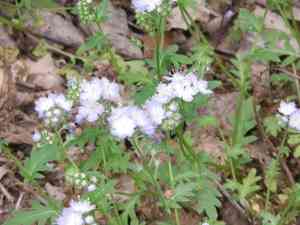
The optimal period for relocating miami mist is during its springtime resurgence, generally from mid-spring through late spring, which guarantees vigorous development. Select a bright spot with adequately draining earth and allow ample room for air circulation. Given its delicate nature, manage miami mist with particular gentleness to prevent upsetting its root system.
What Preparations are Needed Before Transplanting Miami Mist?
What is the Ideal Time for Transplanting Miami Mist?
The perfect period for relocating miami mist extends from early spring's awakening until its full bloom – a revitalizing phase when warmth begins to embrace the earth. Moving miami mist to your garden during this season leverages the mild climate, ensuring the rooted plants avoid frost damage while benefiting from longer daylight hours. This timing provides miami mist with the strength to establish itself, unfurling its shoots and reaching towards the intensifying sunlight, thus promising a vibrant display.
How Much Space Should You Leave Between Miami Mist Plants?
When preparing to rehome miami mist, ensure each individual plant has ample room to thrive. Aim for spacing that is comfortable but not cramped, approximately 6-12 inches (15-30 cm) apart. This arrangement allows them the necessary area to expand and flourish.
What is the Best Soil Mix for Miami Mist Transplanting?
Before settling miami mist into its new bed, consider the soil as its preferred cozy blanket. Opt for well-drained soil enriched with a good amount of organic matter. Encourage their initial growth with a balanced, slow-release fertilizer to nourish your green companions.
Where Should You Relocate Your Miami Mist?
Similar to a spot bathed in gentle morning sun, miami mist will absorb those rays best in a brightly lit location. Select a site where sunlight is plentiful but not harsh, ensuring they receive a full day of light while also enjoying some afternoon shade.
What Equipments Should You Prepare Before Transplantation Miami Mist?
Gardening Gloves
To safeguard your hands while handling soil and plants.
Shovel or Spade
For digging and lifting the plant from its original spot.
Watering Can or Hose
To hydrate the plant before and after relocation.
Wheelbarrow or Garden Cart
For moving the plant if necessary.
Pruning Shears
To trim any damaged roots or leaves.
Mulch
To help maintain soil moisture and temperature post-transplant.
Measuring Tape
To ensure correct spacing between transplanted plants.
Trowel
For minor adjustments to the planting hole or for planting in confined areas.
How Do You Remove Miami Mist from the Soil?
How Do You Remove Miami Mist from the Soil?
From Ground: First, water the miami mist to moisten the soil. Then, excavate a wide circle around the plant using a shovel or spade, ensuring to dig deep enough to encompass the entire root ball without causing damage. Gently work the tool beneath the root ball to extract the plant from its initial position.From Pot: Begin by watering the miami mist to make the soil damp, which will facilitate the removal process. Place your hand over the soil surface, with the plant stem between your fingers. Turn the pot on its side or upside down and gently shake or tap it until the plant slides out. Support the root ball to prevent it from breaking apart.From Seedling Tray: Thoroughly water the seedlings to ensure the soil is moist. Use a trowel or your fingers to carefully loosen the soil surrounding the seedling. Gently lift the seedling by its leaves, not the stem, to avoid harm. Retain as much soil around the roots as possible to protect them.
Step-by-Step Guide for Transplanting Miami Mist
Timing
Relocate miami mist during the cooler parts of the day, such as morning or late afternoon, to minimize transplant shock.
Digging Hole
Excavate a hole in the ground that is twice as wide and equally as deep as the root ball of the miami mist.
Test Fit
Place the plant in the hole to verify that the top of the root ball is level with the ground. Adjust the hole's depth if needed.
Positioning
Carefully set the plant in the center of the hole, ensuring it stands upright and is not leaning.
Refilling
Gently backfill the hole with soil, firming it around the roots to eliminate air pockets.
Watering
Water the miami mist thoroughly to settle the soil and hydrate the roots.
Mulching
Apply a layer of mulch around the planting area to conserve moisture and regulate soil temperature.
Labeling
If planting multiple miami mist or various plants, label them for easy identification.
How Do You Care For Miami Mist After Transplanting?
Watering
Water the miami mist consistently, maintaining even moisture without over-saturating.
Pruning
Trim any dead or damaged foliage to encourage healthy growth and air circulation.
Weed Control
Remove weeds around the miami mist to reduce competition for resources.
Observation
Monitor the miami mist for indications of transplant shock, such as wilting or yellowing leaves, and address any issues promptly.
Mulch
Inspect and replenish the mulch layer as necessary to maintain its benefits.
Troubleshooting Common Issues with Miami Mist Transplantation.
Why is my miami mist wilting after transplanting?
Wilting may be due to shock. Ensure careful handling during transplanting and water thoroughly afterward.
How much space should I leave between miami mist plants?
Ideally, space miami mist 6-12 inches (15-30 cm) apart to allow for ample growth.
Is it necessary to amend the soil when transplanting miami mist?
Yes, enrich the soil with compost to provide nutrients and improve drainage.
Can I transplant miami mist on a hot day?
Transplant miami mist on a cooler, overcast day to reduce stress and prevent wilting.
What's the best depth to plant miami mist seedlings?
Plant seedlings at the same depth they were growing in their previous container.
How often should I water miami mist after transplanting?
Keep the soil consistently moist, without waterlogging, especially in the first few weeks.
When is the right time to transplant miami mist outdoors?
Transplant miami mist in the gentle warmth of mid to late spring for best results.
Should I fertilize miami mist immediately after transplanting?
Wait 2-4 weeks before applying a balanced fertilizer to allow miami mist to establish.
What signs show that miami mist has successfully transplanted?
Healthy growth, new foliage, and no signs of wilt or discoloration indicate success.
How can I protect miami mist from pests after transplanting?
Monitor regularly and use organic pesticides if necessary. Healthy soil helps deter pests.



