How to Transplant Hog's fennel?
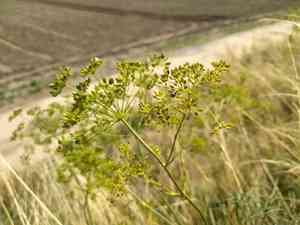
Hog's fennel flourishes most effectively when relocated from early to late spring, as this timeframe provides sufficient opportunity for its root system to settle. To achieve peak development, select a bright, adequately drained spot. Provide regular irrigation until the plant is firmly rooted.
Essential Preparations Before Relocating Hog's Fennel
Optimal Timing for Hog's Fennel Relocation?
The best time to move hog's fennel is from the start of early spring until the end of late spring. During this period, the ground begins to warm, offering an ideal setting for root development and growth. Transplanting at this point maximizes the plant's capacity to adapt and flourish, fully utilizing the upcoming growing season.
Recommended Spacing Between Hog's Fennel Plants?
For hog's fennel, position each plant 24-36 inches (60-90 cm) apart. This provides ample room for them to develop and thrive in your garden.
Ideal Soil Blend for Hog's Fennel Relocation?
Prepare a soil mixture that drains well, using a base of loam and sand. Incorporate compost or a slow-release balanced fertilizer to enrich the soil, ensuring hog's fennel receives the necessary nutrients for robust growth.
Where to Replant Your Hog's Fennel?
Place hog's fennel in a sunny location where it will receive at least 6-8 hours of direct sunlight daily. It thrives in sunlight and will grow best under these conditions.
Tools Required Before Relocating Hog's Fennel
Gardening Gloves
To safeguard your hands while handling soil and the plant.
Shovel or Spade
For excavating the plant and preparing the new planting site.
Watering Can or Hose
To hydrate the soil before and after the relocation.
Pruning Shears
For trimming any damaged roots or foliage.
Wheelbarrow
Optional, for moving the plant if relocating from a distant spot.
How to Extract Hog's Fennel from the Ground?
How to Extract Hog's Fennel from the Ground?
From Ground: First, moisten the hog's fennel plant's soil. Then, dig a wide trench around the plant using a shovel or spade, ensuring the plant's root ball stays intact. Carefully work the spade beneath the root ball to lift the plant from its original spot.From Pot: Gently water the plant in its container to loosen the soil. Turn the pot on its side and carefully slide the hog's fennel plant out, supporting the root ball with your hand to prevent breakage.From Seedling Tray: Water the soil in the seedling tray to dampen it. Use a small implement, such as a spoon or trowel, to gently lift and separate each seedling from the tray, supporting the root ball as you do so.
Detailed Guide for Relocating Hog's Fennel
Site Preparation
Prepare the new planting area by digging a hole twice as wide and deep as the root ball of your hog's fennel plant.
Soil Enhancement
If needed, enrich the soil in the new location with compost to boost nutrient content and improve drainage.
Plant Positioning
Place the hog's fennel plant in the hole, ensuring the top of the root ball is level with the surrounding soil. Adjust the hole's depth if necessary.
Backfilling
Fill the hole halfway with soil, gently pressing down to remove air pockets. Water the soil to help it settle, then fill the remainder of the hole with soil and firm it gently around the plant's base.
Watering
Thoroughly water the hog's fennel plant after relocation to settle the soil and minimize transplant shock. Continue regular watering until the plant is established.
Post-Relocation Care for Hog's Fennel
Watering
Keep the soil around the hog's fennel consistently moist, but not waterlogged, for the initial weeks after relocation to aid in strong root development.
Mulching
Apply a layer of mulch around the base of the hog's fennel plant to retain moisture, regulate soil temperature, and deter weeds.
Monitoring
Regularly check the hog's fennel plant for indications of stress, such as wilting or yellowing leaves, and take corrective measures if required.
Protection
Consider using stakes or protective barriers to shield the hog's fennel plant from strong winds or harsh weather conditions during the initial relocation period.
Addressing Common Issues During Hog's Fennel Relocation.
When is the best time to move hog's fennel?
Relocate hog's fennel from early spring to late spring for optimal growth.
How much space should I leave between hog's fennel plants?
Allow 24-36 inches (60-90 cm) between each hog's fennel plant for ideal development.
What soil type is best for relocating hog's fennel?
Hog's fennel thrives in well-drained soil rich in organic matter.
How should I prepare the soil before relocating hog's fennel?
Loosen soil to 10-12 inches (25-30 cm) deep and enrich it with compost.
How do I prevent transplant shock for hog's fennel?
Water hog's fennel thoroughly before and after relocation to reduce shock and stress.
What weather conditions are ideal for relocating hog's fennel?
Choose a cool, overcast day to move hog's fennel to lessen sun-induced stress.
Should I trim hog's fennel before relocating?
Trim damaged roots and leaves before relocating hog's fennel to encourage healthy new growth.
How deep should I plant hog's fennel in its new spot?
Plant hog's fennel at the same depth it was growing in its previous location.
What is the best way to water hog's fennel after relocating?
Water hog's fennel gently but thoroughly, ensuring the soil is uniformly moist but not saturated.
How soon will hog's fennel settle after being relocated?
Expect hog's fennel to establish within 2-4 weeks, depending on care and weather conditions.



