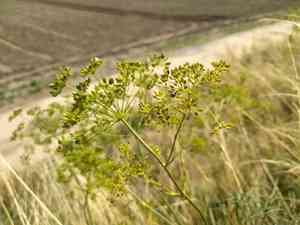
Hog's fennel (Peucedanum officinale)
Also known as: Sow fennel, European sulphurweed, Hoar-strange
The plant features umbels of greenish-yellow flowers that stand out against its bushy, radiating clusters of dark green leaves. These leaves are long-petioled with linear, sessile lobes that taper at both ends and have narrow, cartilaginous edges, resembling blades of grass.
In This Article
Attributes of Hog's fennel
Lifespan
Perennial
Plant Type
Herb
Plant Height
1-2 meters
Spread
0.5-1 meter
Leaf Color
Green
Flower Size
10-15 cm per umbel
Flower Color
Sulfur-yellow
Images of Hog's fennel
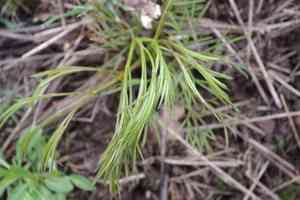
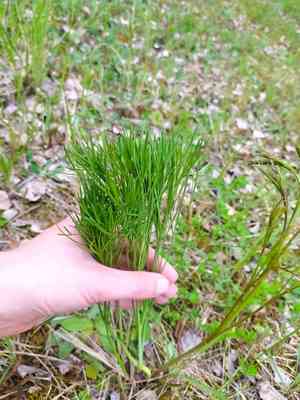
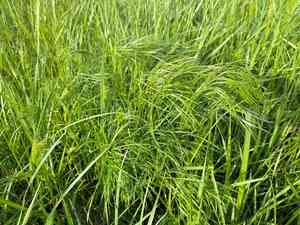
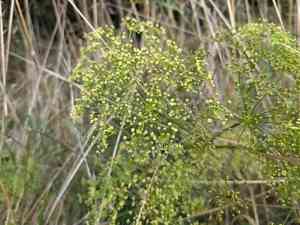
Quickly Identify Hog's fennel
1
Identify Peucedanum officinale by its sulfur-yellow flowers, which form in large umbels, and its finely divided leaves similar to those of common fennel. The plant can grow up to 2 meters in height.
Scientific Classification of Hog's fennel
Phylum
Vascular plants
Class
Dicotyledons
Order
Apiales
Family
Umbellifers
Genus
Peucedanum
Species
Hog's fennel
Planting and Growing of Hog's fennel
Care Difficulty
Easy
Watering Schedule
Every 2 days
Sunlight Requirements
Full sun
Sunshine Duration
6-10 hours
Ideal Temperature
60-70℉
Soil Type
Potting Mix, Peat Mix
Soil pH
6.5-7.5
Fertilizer Type
Balanced
Pruning Season
Spring, Summer
Pruning Area
Branches, Leaves
Pruning Frequency
2 times a year
Repotting Season
Spring
Pot Type
Plastic, Ceramic
 How to Water Hog's fennel?
For Peucedanum officinale, the watering amount should ensure the soil is thoroughly moist, yet not soggy. Aim for about 500 ml of water per session, allowing the soil to dry slightly between waterings. This plant prefers well-drained conditions, so it’s crucial to avoid any standing water.
What are the symptoms of an underwatered Hog's fennel?
›
What should I do if my Hog's fennel is not getting enough water?
›
What are the symptoms of an overwatered Hog's fennel?
›
How to save an overwatered Hog's fennel?
›
 What Are the Sunlight Requirements for Hog's fennel?
Ideal lighting conditions for Peucedanum officinale involve receiving full sun to partial sun, enabling 6-8 hours of direct sunlight. This encourages healthy development and maximizes its medicinal properties and overall vigor.
Optimal Sun Exposure
›
Solution for Ideal Light
›
Benefits of Ideal Lighting
›
 What Is the Ideal Temperature Range for Hog's fennel?
The ideal temperature range for Peucedanum officinale is between 60°F and 70°F. This range is optimal for the plant's growth and development, providing the best conditions for nutrient uptake and photosynthesis. Ensuring that the temperature remains within this range will help the plant maintain its vigor and resilience against environmental stresses.
 What Soil is Best for Hog's fennel?
Peucedanum officinale thrives in well-drained soil, which prevents waterlogging and root rot. This quality enhances healthy root development, leading to robust plant growth. This plant benefits from nutrient-rich soil, providing essential minerals that foster healthy foliage and flowering. Organic matter such as compost can enhance soil fertility. Moderate moisture levels are ideal for Peucedanum officinale, allowing for consistent hydration without saturation. Proper moisture supports metabolic processes crucial for plant health.
 How to Fertilize Hog's fennel?
For Peucedanum officinale, apply liquid fertilizer at a dilution rate of one part fertilizer to three parts water. Use about 200 milliliters per plant for each application. Ensure the plant receives a balanced NPK ratio, typically a 10-10-10 formulation works well for its growth cycles.
 How to Prune Hog's fennel?
Before cutting, identify any dead or overgrown stems. Focus on removing dead seed heads and excess foliage to encourage new growth and maintain the plant's structural integrity and aesthetic appeal. Trim Peucedanum officinale stems at a 45-degree angle just above a set of leaves or a dormant bud. This approach promotes healthy, well-directed new growth while minimizing water accumulation and disease creep. After pruning, ensure the plant is adequately watered but not over-soaked. Opt for a balanced fertilizer to boost growth recovery, ensuring your Peucedanum officinale thrives with renewed vigor and vitality.
More About Pruning Techniques→
 How to Propagate Hog's fennel plant?
1
Collect healthy seeds from a mature Peucedanum officinale plant. Ensure the seeds are fully mature and properly dried. Inspect for any damage or disease before planting.
2
Scatter the seeds evenly in a seed tray filled with a suitable soil mix. Cover them lightly with soil, approximately twice their size in depth. Water gently to avoid displacing the seeds.
3
Place the seeded tray in a location with indirect sunlight and keep the soil consistently moist. Maintain a temperature range of 15-20°C to aid successful germination.
 How to Repot Hog's fennel plant?
1
Repot Peucedanum officinale when you notice roots circling the bottom of the pot or emerging through the drainage holes. Another signal may be when the growth seems stunted or the plant dries out too quickly after watering. The ideal time to repot is during its growing season in spring or early summer when the plant can recover quickly.
2
Select a pot that is one size larger and has ample drainage holes to prevent waterlogging, which can lead to root rot. A slightly larger pot allows the roots to expand comfortably, promoting healthier growth. Opt for materials like clay or ceramic, which provide good breathability and reduce excess moisture buildup.
3
Select a well-draining loamy mix that retains moisture yet allows air to circulate around the roots. This type of soil prevents water stagnation while keeping the roots sufficiently hydrated and oxygenated. It supports healthy root development and minimizes the risk of fungal infections.
Toxicity
Ingestion
WARNING
The judgment on toxicity and danger is for reference only. We DO NOT GUARANTEE any accuracy of such judgment. Therefore, you SHALL NOT rely on such judgment. It is IMPORTANT TO SEEK PROFESSIONAL ADVICE in advance when necessary.
Learn More About Hog's fennel Diseases
Anthracnose
Bacterial Leaf Spot
Bacterial Soft Rot
Bacterial Wilt
Crown Gall
Cyst Nematode
Damping-off
Downy Mildew
Fusarium Wilt
Gray Mold
Leaf Spot
Mosaic
Powdery Mildew
Root Rot
Root-knot Nematode
Rusts
Sooty Mold
White Mold
Chemical Injury
Drought Stress
Nutrient Deficiency
Nutrient Toxicity
Spider Mites
Temperature Stress
Thrips Damage



