How to Prune Hog's fennel?
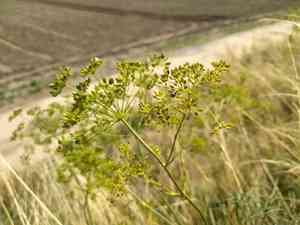
Hog's fennel, recognized by its delicate green foliage and expansive, umbrella-shaped groupings of yellow blossoms, greatly benefits from trimming during the spring and summer months. This practice fosters denser development and sustains the plant's well-being. Removing mature stalks early in the season stimulates fresh growth and enhances air movement, which is essential for minimizing the likelihood of ailments. Trimming subsequent to flowering can also aid in managing the plant's dimensions and expansion, rendering it a crucial element of upkeep for peak vitality and aesthetic appeal.
What Are the Benefits of Pruning Hog's Fennel?
What Are the Benefits of Pruning Hog's Fennel?
Trimming hog's fennel encourages robust development and maintains its desired form. Routine cutting aids in a healthier plant by eliminating old or overgrown branches, which improves air circulation and sunlight exposure.
What Is the Best Time for Pruning Hog's Fennel?
What Is the Best Time for Pruning Hog's Fennel?
Pruning hog's fennel during Spring and Summer aligns with its active growth phase, facilitating robust regeneration and healing post-pruning. Spring pruning invigorates hog's fennel by removing old and dead foliage from winter, enhancing both growth and airflow, which are crucial for preventing disease. Summer pruning, preferably after flowering, helps maintain plant shape and size, and promotes the growth of new, healthy branches, which is vital for the next flowering cycle. These seasons ensure the plant remains vibrant and productive.
What Tools Do I Need to Prune Hog's Fennel?
Hand Pruners
Perfect for making precise cuts on the thinner, more delicate stems of hog's fennel. They offer accuracy and minimize harm to the plant's tissues, which is vital for its well-being and growth.
Pruning Shears
Ideal for cutting back overgrown branches and preserving the desired shape of hog's fennel. Their sharp blades efficiently handle stems and smaller branches, fostering a neat growth habit.
Garden Scissors
Useful for deadheading and snipping off spent flower heads of hog's fennel, encouraging better growth and potentially more blooms in the following seasons.
How to Prune Hog's Fennel
Identify
Inspect hog's fennel for any indications of diseased or withered leaves and unhealthy stems. Thoroughly check the entire plant, focusing on the color and texture of each part.
Prepare
Gather the necessary pruning tools for hog's fennel, such as sharp, clean pruning shears or scissors. Ensure that the tools are disinfected to prevent the spread of disease.
Cut diseased leaves
Carefully remove all diseased leaves from hog's fennel by cutting them at the base of the leaf stem. Avoid tearing, which can cause unnecessary damage to healthy parts.
Cut withered leaves
Trim off the withered leaves from hog's fennel, also making cuts at the base of the leaf stem. This helps to encourage healthier growth and improves the overall appearance.
Cut diseased stems
For any diseased stems on hog's fennel, make clean cuts below the affected areas. If large sections of stems are affected, consider cutting back to healthy tissue to prevent further spread of disease.
Common Pruning Mistakes with Hog's Fennel
Over pruning
A frequent error is removing too much foliage from hog's fennel at once, which can stress the plant and lead to poor growth or reduced vigor. It is important not to cut back more than one-third of the plant's overall volume during a single pruning session.
Wrong technique
Using improper cutting techniques can damage hog's fennel's stems and leaves. Clean, sharp cuts are necessary to avoid jagged edges that can be prone to disease and pests.
Neglecting dead material
Failing to remove dead or diseased material can hinder the overall health of hog's fennel, as these can harbor pests or diseases that might spread to healthier parts.
Common Pruning Tips for Hog's Fennel
Selective pruning
Focus on selectively pruning hog's fennel to remove only the unhealthy, damaged, or overly crowded stems. This assists in maintaining the plant's natural shape, improves airflow, and enhances exposure to sunlight.
Use sharp tools
Always use sharp, clean tools when pruning hog's fennel. This ensures clean cuts that heal quickly, reducing the risk of disease.
Thin out
Thin out the center of hog's fennel to promote better air circulation and light penetration, which is essential for its health and flowering. Carefully remove some of the inner branches and foliage without altering the natural shape of the plant.



