How to Transplant False waterpepper?
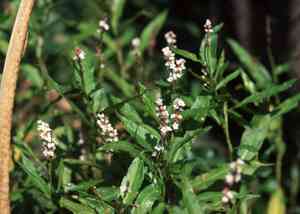
For best results, relocate false waterpepper during the tranquil period from late spring to early summer, or as autumn progresses from its middle to later stages, leveraging temperate conditions for root development. Choose a location that retains moisture and exercise caution to prevent damage to the roots.
What Preparations are Needed Before Transplanting False Waterpepper?
What is the Ideal Time for Transplanting False Waterpepper?
For false waterpepper, the optimal period for relocation occurs in the mild conditions of late spring or as autumn's coolness sets in. This timing allows false waterpepper to establish without the intense heat of summer or the cold of winter. Moving them during these seasons takes advantage of moderate temperatures and sufficient rainfall, promoting robust root development and reducing plant stress. Such strategic timing ensures your false waterpepper thrives, exhibiting vigorous growth and resilience.
How Much Space Should You Leave Between False Waterpepper Plants?
When relocating false waterpepper, aim for ample room by positioning them approximately 18-24 inches (45-60 cm) apart. This spacing enables your false waterpepper to flourish as they mature, providing sufficient area for their dense foliage to spread.
What is the Best Soil Mix for False Waterpepper Transplanting?
For false waterpepper, prepare a suitable bed using loamy soil that offers good drainage and is rich in organic material. Incorporate a balanced, slow-release fertilizer to supply your false waterpepper with the necessary nutrients to vigorously settle into their new environment.
Where Should You Relocate Your False Waterpepper?
Select a location that receives ample sunlight but also partial shade for your false waterpepper to thrive. They benefit from a combination of sun exposure and some relief from intense afternoon rays, ensuring vibrant growth throughout the seasons.
What Equipments Should You Prepare Before Transplantation False Waterpepper?
Gardening Gloves
To safeguard your hands while handling soil and plants.
Shovel or Garden Spade
For excavating and moving the false waterpepper.
Watering Can or Hose
To keep the false waterpepper hydrated during the relocation process.
Wheelbarrow or Plant Tray
To move the false waterpepper from its original spot to the new planting site.
Pruning Shears
To trim any dead or excessively long roots prior to transplanting.
Garden Trowel
For creating a precise opening in the ground to accommodate the false waterpepper's root ball.
Measuring Tape
To ensure correct spacing between relocated false waterpepper plants.
Mulch
To retain moisture and safeguard the false waterpepper's roots after transplant.
Stakes or Plant Supports (if necessary)
To offer stability to tall or top-heavy false waterpepper plants.
How Do You Remove False Waterpepper from the Soil?
How Do You Remove False Waterpepper from the Soil?
From Ground: First, moisten the soil around the false waterpepper plant. Then, dig a wide circle around the plant with a shovel or spade, being careful not to harm the root ball. Gently work the tool beneath the root ball and carefully lift the false waterpepper from the ground.From Pot: Begin by watering the soil in the container to facilitate removal. Turn the pot on its side and tap the edges to loosen the soil. Grasp the base of the false waterpepper and gently pull, supporting the plant and root ball as it slides out.From Seedling Tray: Water the seedling tray to soften the soil. Use a garden trowel or your fingers to carefully extract the false waterpepper seedling from the tray, ensuring minimal root disturbance.
Step-by-Step Guide for Transplanting False Waterpepper
Prepare the Transplant Site
Dig a hole that is twice as wide and the same depth as the false waterpepper's root ball.
Root Ball Care
Inspect the false waterpepper's root ball, trimming any broken or overly long roots with pruning shears.
Plant Positioning
Place the false waterpepper in the hole, ensuring it sits at the same depth as it did in its previous location. The top of the root ball should be level with the surrounding soil.
Fill in the Soil
Gently backfill the hole with soil around the false waterpepper's root ball, and lightly press down to eliminate air pockets.
Water the false waterpepper
Thoroughly water the relocated false waterpepper to settle the soil and provide moisture for the roots.
Add Mulch
Apply a layer of mulch around the base of false waterpepper to help retain moisture and regulate soil temperature.
How Do You Care For False Waterpepper After Transplanting?
Stabilizing
If the false waterpepper is top-heavy or tall, insert stakes around it for support and gently tie the plant.
Consistent Moisture
Keep the soil around false waterpepper consistently damp for the initial few weeks to encourage root establishment.
Monitoring
Regularly inspect the false waterpepper for indications of stress, such as wilting or discolored leaves, and adjust care as needed.
Protection
Shield the newly relocated false waterpepper from strong winds and pests with an appropriate barrier or deterrents if necessary.
Troubleshooting Common Issues with False Waterpepper Transplantation.
What's the optimal transplantation period for false waterpepper?
The ideal time to relocate false waterpepper is during the transitional seasons, specifically from late spring to early summer or from mid-fall to late fall.
How far apart should false waterpepper be spaced when transplanting?
Ideally, position false waterpepper approximately 18-24 inches (45-60 cm) apart to ensure sufficient room for growth.
Why are my transplanted false waterpepper's leaves turning yellow?
Yellow foliage could indicate water stress or a nutrient deficiency. Ensure false waterpepper is adequately watered and consider soil testing for nutrient levels.
How deep should the hole be when transplanting false waterpepper?
The hole should be as deep as the root ball but twice as wide to promote root expansion.
What should I do if false waterpepper wilts after transplanting?
Wilting can be a sign of shock. Keep the soil moist, provide shade, and avoid fertilizing false waterpepper immediately after transplanting to aid its recovery.
Can false waterpepper be transplanted on a hot, sunny day?
It's best to relocate false waterpepper on an overcast day or in the late afternoon to minimize stress from heat and sun exposure.
What type of soil is best for transplanting false waterpepper?
Transplant false waterpepper into moist, well-drained soil. Amend with organic matter if needed to enhance soil quality.
How much water does false waterpepper need post-transplant?
Provide false waterpepper with 1 inch (2.5 cm) of water per week to establish roots, unless rainfall is sufficient.
Should I use mulch when transplanting false waterpepper?
Yes, mulching helps retain soil moisture and control weeds. Keep mulch a few inches away from the stems to prevent rot.
Is it necessary to prune false waterpepper when transplanting?
Pruning is generally not required when relocating false waterpepper, but remove any damaged or diseased foliage to direct growth towards healthy roots and leaves.



