How to Prune False waterpepper?
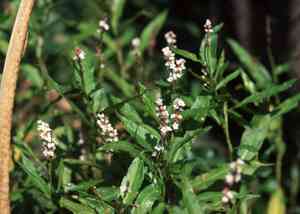
False waterpepper, a perennial indigenous to moist habitats, benefits from trimming to control its robust development and foster denser foliage. Perform light pruning in spring when fresh shoots emerge, concentrating on any lifeless or compromised stems. Throughout the summer, pinch off the ends to encourage branching, thereby increasing the plant's fullness. Ensure cuts are precise to avert illness, utilizing sharp cutting tools. Trimming not only preserves the plant's form but can also stimulate blooming in false waterpepper, boosting its decorative value.
What Are the Benefits of Pruning False Waterpepper?
What Are the Benefits of Pruning False Waterpepper?
Trimming false waterpepper encourages robust development and maintains its desired shape. This contributes to a healthier, more visually appealing plant capable of thriving in its environment.
What Is the Best Time for Pruning False Waterpepper?
What Is the Best Time for Pruning False Waterpepper?
Trimming false waterpepper during spring and early summer coincides with its active growth period, enabling rapid recovery and stimulating new development. It's best to prune after the final frost to prevent damage to fresh cuts. This timing ensures the plant keeps its intended form and size, promotes healthy foliage and blooms, and prevents potential overgrowth that can lead to poor air circulation. In spring, energy is directed towards new growth, making it a resilient time to handle pruning stress. Additionally, early summer trimming helps manage growth and enhances the plant's overall look. Pruning during these seasons also allows gardeners to remove any winter-damaged branches, ensuring the overall health and vigor of false waterpepper.
What Tools Do I Need to Prune False Waterpepper?
Bypass pruners
These pruners create clean cuts that heal fast and are perfect for trimming young, tender stems of false waterpepper.
Pruning shears
Useful for shaping and managing the overall size of false waterpepper, which can spread aggressively if left untended.
Garden scissors
Ideal for thinning and precise trimming of false waterpepper without harming nearby stems or leaves.
Long-handled loppers
When false waterpepper is in a dense setting, these loppers can reach into the plant to trim thicker stems that are beyond the reach of standard pruners.
How to Prune False Waterpepper
Identify
Thoroughly inspect false waterpepper to pinpoint diseased leaves, withered foliage, and unhealthy stems that need removal.
Sterilize
Before beginning to prune, sanitize pruning tools with rubbing alcohol or a bleach solution to prevent disease transmission during the pruning process.
Remove leaves
Using sharp, clean pruning shears, carefully remove diseased and withered leaves from false waterpepper by cutting at the base of the leaf stem, taking care not to harm adjacent healthy foliage.
Prune stems
Trim diseased stems from false waterpepper by making cuts at least several inches below the affected areas or back to the plant's base if the entire stem is compromised. Make angled cuts to encourage water runoff and prevent disease.
Cleanup
Clear away and dispose of all pruned material away from the garden to minimize the risk of disease spread. Sanitize the pruning tools again afterward to maintain good hygiene.
Common Pruning Mistakes with False Waterpepper
Overpruning
Removing too much growth at once can stress false waterpepper, leading to reduced vitality and potential dieback.
Blunt tools
Using dull or unclean pruning tools can result in jagged cuts that harm false waterpepper and increase the risk of disease.
Tearing stems
Improper cutting technique may tear stems and leaves, damaging false waterpepper and hindering recovery and regrowth.
Pruning for size alone
Focusing solely on reducing the size of false waterpepper without considering its shape and health may lead to an unsightly and weakened plant.
Ignoring dead or diseased material
Failing to remove dead or infected material can cause diseases to spread throughout false waterpepper and may attract pests.
Common Pruning Tips for False Waterpepper
Sharp tools
Use sharp, clean pruning shears to make clean cuts that will heal quickly and minimize stress to false waterpepper.
Selective thinning
Remove only necessary growth, such as dead or diseased branches, to maintain the health and natural form of false waterpepper.
Timing
While the best season for pruning is not to be discussed, ensuring pruning is conducted at a time that does not interrupt false waterpepper's natural growth or dormant phases is crucial.
Clean cuts
Make cuts at a slight angle away from the buds to promote proper healing and direct new growth outward.
Post-pruning care
Water false waterpepper adequately and consider a balanced fertilizer to support recovery after pruning, ensuring optimal health and growth.



