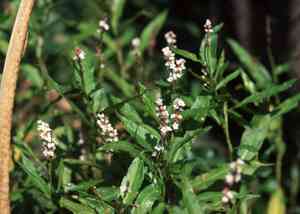
False waterpepper (Persicaria hydropiperoides)
Also known as: Mild smartweed
Watercress (Nasturtium officinale) is a plant from the buckwheat family known for its pungent, peppery taste that can make your eyes water. It thrives in wet, marshy environments.
In This Article
Attributes of False waterpepper
Lifespan
Perennial
Plant Type
Herb
Plant Height
61 cm to 91 cm
Spread
13 cm
Leaf Color
Green
Flower Size
2.5 cm
Flower Color
White Pink
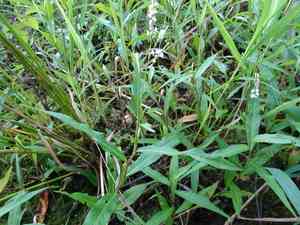
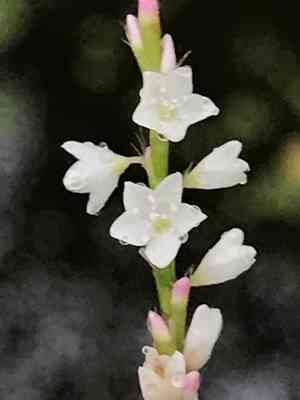
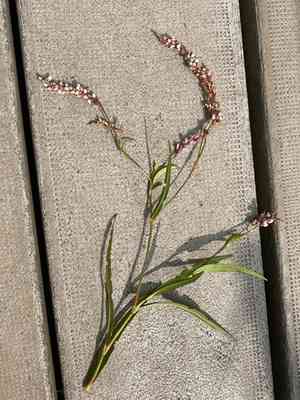
Images of False waterpepper
Quickly Identify False waterpepper
1
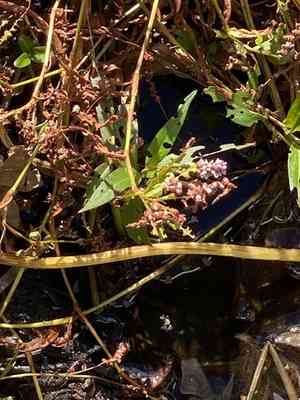
To identify Persicaria hydropiperoides, look for its lance-shaped leaves with a distinctively wavy margin and a reddish base. It typically has small, white to pinkish flowers clustered in slender, spike-like racemes. The stems are jointed and can root at the nodes.
Scientific Classification of False waterpepper
Phylum
Vascular plants
Class
Dicotyledons
Order
Caryophyllales
Family
Buckwheat
Genus
Persicaria
Species
False waterpepper
Planting and Growing of False waterpepper
Care Difficulty
Easy
Watering Schedule
Every 8 days
Sunlight Requirements
Partial sun
Sunshine Duration
4-6 hours
Ideal Temperature
68-77℉
Soil Type
Potting Mix, Peat Mix
Soil pH
6.5-7.5
Fertilizer Type
Balanced
Pruning Season
Spring, Summer
Pruning Area
Branches, Leaves
Pruning Frequency
2 times a year
Repotting Season
Spring
Pot Type
Plastic, Ceramic
 How to Water False waterpepper?
Persicaria hydropiperoides requires consistent moisture in its soil. When watering, you should aim for at least 500 ml each time, ensuring thorough soil saturation without causing puddling. The soil should feel damp to touch but never excessively soggy.
What are the symptoms of an underwatered False waterpepper?
›
What should I do if my False waterpepper is not getting enough water?
›
What are the symptoms of an overwatered False waterpepper?
›
How to save an overwatered False waterpepper?
›
 What Are the Sunlight Requirements for False waterpepper?
Partial sun to full sun provides Persicaria hydropiperoides with a range of sunlight that supports vigorous growth and flowering. Ideal light conditions help in maximizing photosynthesis and maintaining plant health and resilience.
More About Sunlight Requirements Techniques→
What is the ideal light condition?
›
How can you achieve ideal lighting for this plant?
›
What are the benefits of ideal lighting?
›
 What Is the Ideal Temperature Range for False waterpepper?
What is the ideal temperature range for Persicaria hydropiperoides cultivation? The plant thrives best within the temperature range of 68°F to 77°F. This range simulates their natural habitat and ensures optimal growth and development. Ensuring this temperature can help in maintaining the plant's overall health and vitality.
 What Soil is Best for False waterpepper?
Persicaria hydropiperoides thrives in soils that offer excellent moisture retention. This helps the plant maintain a steady water supply, crucial for its vibrant growth and resilience against drought. A nutrient-rich loam is ideal, facilitating rapid growth and healthy foliage. This type of soil supports the plant’s vigorous life cycle, enhancing its natural beauty and ecological benefits. While moisture is essential, the soil should still provide adequate drainage to prevent root rot. This balance helps maintain the plant's overall health and reduces the risk of disease.
 How to Fertilize False waterpepper?
For Persicaria hydropiperoides, use about half the recommended strength of a balanced liquid fertilizer when applying. This species thrives with moderate nutrients, so avoid over-fertilizing as this can harm the plant's natural growth rhythm.
 How to Prune False waterpepper?
Start by inspecting the plant for any dead or damaged stems. Use clean, sharp pruning shears to make clean cuts just above a leaf node, which is where new growth will emerge. Aim to remove about a third of the plant's mass at one time to stimulate healthy new growth. Focus on maintaining an open center to allow sunlight and air to penetrate the interior of the plant.
More About Pruning Techniques→
 How to Propagate False waterpepper plant?
1
Harvest seeds from mature Persicaria hydropiperoides plants once they have fully ripened. Clean the seeds of any plant debris and store them in a cool, dry place until ready to sow.
2
Select healthy stems and use sharp shears to cut 4 to 6-inch sections. Remove lower leaves, leaving a few at the top, and dip the cut end in rooting hormone to stimulate root growth.
3
For division, carefully dig up the plant and gently separate the root ball into sections. Each section should have roots and at least one stem, ensuring each new plant will thrive.
 How to Repot False waterpepper plant?
1
You should consider repotting Persicaria hydropiperoides when the plant shows signs of being root-bound, such as roots growing through drainage holes or stunted growth. The ideal time for repotting is during its active growing seasons, spring or summer, to reduce transplant shock and promote quick recovery.
2
Select a pot that is one size larger than the current one, ensuring it has sufficient drainage holes. A larger pot provides space for root expansion and better water management, preventing water from pooling at the base and reducing the risk of root rot.
3
Use a rich, well-draining soil mix to provide the necessary nutrients while allowing excess water to escape freely. A combination of garden soil, sand, and peat moss works well, ensuring your plant has both the moisture retention it needs and the aeration for healthy root growth.



