How to Transplant Halberd-leaf tearthumb?
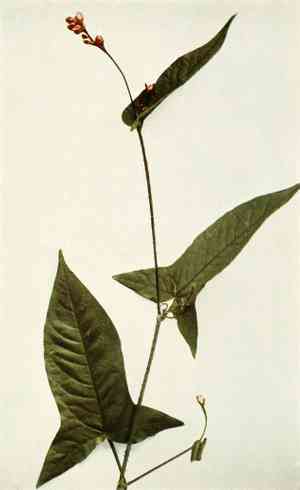
Relocating halberd-leaf tearthumb is most successful when performed as late spring's warmth transitions into the gentle embrace of early summer. Select a site featuring damp earth and dappled sunlight. Attentive handling throughout the transfer guarantees robust health.
What Preparations are Needed Before Transplanting Halberd-leaf Tearthumb?
What is the Ideal Time for Transplanting Halberd-leaf Tearthumb?
The optimal window to move halberd-leaf tearthumb is from the onset of spring into early summer. This period provides a gentle combination of warm days and cool nights, perfect for halberd-leaf tearthumb to establish itself in its new location. Transplanting during this season allows halberd-leaf tearthumb to expand and settle with the full vigor of summer approaching, promising strong development. This timely relocation also helps halberd-leaf tearthumb adapt smoothly, avoiding the stress of harsher weather and giving it a head start to thrive. It's like preparing the ground for halberd-leaf tearthumb to flourish, with each day becoming longer and brighter!
How Much Space Should You Leave Between Halberd-leaf Tearthumb Plants?
To allow your halberd-leaf tearthumbs ample room to thrive, aim for a spacing of 18-24 inches (45-60 cm) between them. This ensures sufficient growth and that each plant receives necessary nutrients and light.
What is the Best Soil Mix for Halberd-leaf Tearthumb Transplanting?
Your halberd-leaf tearthumbs will flourish in a loamy soil rich in organic matter. Prepare the planting area with a balanced, slow-release fertilizer to supply essential nutrients. Keep the soil consistently moist but not waterlogged to encourage healthy development.
Where Should You Relocate Your Halberd-leaf Tearthumb?
Select a sunny location that receives at least 6 hours of direct sunlight daily for your halberd-leaf tearthumbs. If feasible, a spot offering some afternoon shade would be ideal to shield them during the hottest part of the day.
What Equipments Should You Prepare Before Transplantation Halberd-leaf Tearthumb?
Gardening Gloves
To safeguard your hands while handling soil and plants.
Garden Trowel
For digging and scooping earth to extract the plant from its container or seedling tray.
Spade or Shovel
Essential for digging around and beneath the plant if it's growing in the ground.
Watering Can or Hose
To lightly water the plant before removal and to irrigate it in its new spot after transplanting.
Pruning Shears
For trimming any dead or damaged roots or foliage.
Wheelbarrow or Plant Caddy
To move the plant and soil without harming the plant or straining the gardener's back.
Tape Measure
To determine the correct spacing between the new planting site and other plants or garden features.
How Do You Remove Halberd-leaf Tearthumb from the Soil?
How Do You Remove Halberd-leaf Tearthumb from the Soil?
From Ground: First, water the halberd-leaf tearthumb plant to moisten the soil. Next, dig a wide trench around the plant using a shovel or spade, ensuring the plant's root ball remains intact. Carefully work the spade beneath the root ball to lift the plant from its original position.From Pot: Begin by watering the halberd-leaf tearthumb plant. Then, place your hand over the soil surface with the plant stem between your fingers. Invert the pot, gently tapping or squeezing it to help the plant and root ball slide out.From Seedling Tray: Dampen the soil before carefully teasing the halberd-leaf tearthumb plant seedling out with a trowel or your fingers, taking care not to harm the delicate roots.
Step-by-Step Guide for Transplanting Halberd-leaf Tearthumb
Tools Preparation
Gather all necessary equipment and put on gardening gloves.
Watering
Lightly water the halberd-leaf tearthumb plant to facilitate root ball removal.
Digging
Use a trowel or spade to dig around the plant, being careful not to damage the root system.
Removing Plant
Carefully lift the plant from its current location, preserving the root ball's integrity.
Transport
Utilize a wheelbarrow or plant caddy to move the halberd-leaf tearthumb plant to its new location without excessive disturbance.
Hole Preparation
Excavate a hole in the new location that is twice as wide and the same depth as the root ball.
Plant Positioning
Place the halberd-leaf tearthumb plant in the center of the hole, ensuring it stands upright.
Soil Replacement
Backfill the excavated soil around the root ball, gently firming to eliminate air pockets.
First Watering
Thoroughly water the halberd-leaf tearthumb plant at its new site to help settle the soil and hydrate the roots.
Staking (if necessary)
Place support stakes around the plant to stabilize it as the roots take hold.
How Do You Care For Halberd-leaf Tearthumb After Transplanting?
Mulching
Apply a layer of organic mulch around the base of the halberd-leaf tearthumb to assist in moisture retention and temperature regulation.
First Week Care
Check on the halberd-leaf tearthumb daily, ensuring the soil remains moist but not waterlogged to encourage root growth.
Gentle Fertilization
After approximately two weeks, consider applying a weak solution of liquid fertilizer to promote healthy, new growth.
Pruning
Trim away any leaves or stems that show signs of stress or damage to focus the halberd-leaf tearthumb's energy on establishing its root system.
Troubleshooting Common Issues with Halberd-leaf Tearthumb Transplantation.
What's the best time to transplant halberd-leaf tearthumb?
Choose to relocate halberd-leaf tearthumb during late spring to early summer, once the ground has warmed.
How far apart should I space halberd-leaf tearthumb when transplanting?
Allow a distance of 18-24 inches (45-60 cm) between plants to ensure optimal growth.
Why is my halberd-leaf tearthumb wilting after transplanting?
Wilting can occur if halberd-leaf tearthumb hasn't been watered sufficiently after transplanting; ensure soil remains moist but not soggy.
Should I amend the soil before transplanting halberd-leaf tearthumb?
Yes, enriching the soil with compost or a balanced fertilizer can promote healthier growth.
Can I transplant halberd-leaf tearthumb during a heatwave?
It's best to avoid transplanting in extreme heat. Aim for a cooler part of the day or wait for milder weather.
How deep should I plant halberd-leaf tearthumb's root ball?
Plant the root ball of halberd-leaf tearthumb so that it sits level with the surrounding soil surface.
What if my halberd-leaf tearthumb shows signs of shock post-transplant?
Give halberd-leaf tearthumb time to adjust; maintain consistent watering and avoid fertilizers until it shows new growth.
Is it necessary to prune halberd-leaf tearthumb during transplanting?
Pruning is not typically required, but removing damaged foliage can help halberd-leaf tearthumb focus energy on root establishment.
How do I know if the soil is right for halberd-leaf tearthumb?
Ensure well-draining soil with a mix of nutrients appropriate for annual plants; test pH and adjust if necessary.
Can I transplant halberd-leaf tearthumb on a windy day?
It's better to choose a calm day to avoid additional stress on halberd-leaf tearthumb during the transplanting process.



