The Halberd-leaf tearthumb Plant Advantage: Maximizing Home and Office Appeal and Wellness
1
Halberd-leaf tearthumb flourishes in damp, marshy environments, offering a natural sanctuary for animals.
2
Its vigorous development aids in preventing soil loss along waterways and bogs.
3
The distinctive form and foliage of Halberd-leaf tearthumb render it an intriguing feature for cultivated spaces.
Why Select Halberd-leaf tearthumb for Your Garden?
Supports Local Wildlife
Halberd-leaf tearthumb offers a home and food source for various wildlife, including birds, insects, and small animals. Its blossoms draw pollinators like butterflies and bees, vital for ecosystem health. By planting it, you foster a mini-ecosystem that boosts biodiversity.
Natural Erosion Control
The dense root system of Halberd-leaf tearthumb makes it an excellent option for preventing erosion, especially in areas prone to soil loss. Its roots stabilize the ground, stopping it from being washed away by rain or floods. This is particularly useful for gardens near streams, rivers, or other water bodies.
How Does Halberd-leaf tearthumb Enhance Soil Health?
Nutrient Recycling
Halberd-leaf tearthumb plays a key role in nutrient cycling within the soil. Its decaying leaves and stems return valuable nutrients to the earth, enriching the soil and boosting its fertility. This makes it an ideal companion plant for other species that benefit from nutrient-rich soil.
Improving Soil Structure
The plant's root system not only prevents erosion but also improves soil structure by increasing its porosity. This allows for better water penetration and drainage, reducing waterlogging and promoting plant growth. Enhanced soil structure makes it easier for other plant roots to grow, fostering a healthier garden.
What Are the Aesthetic Advantages of Halberd-leaf tearthumb?
Attractive Foliage
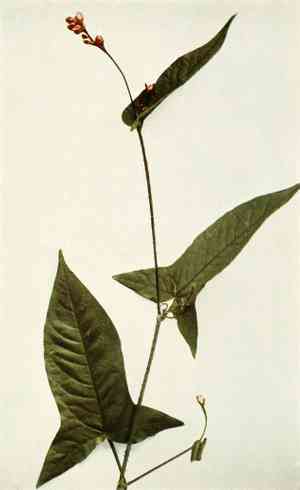
Halberd-leaf tearthumb features uniquely shaped leaves that add an interesting visual element to any garden. The halberd-shaped leaves and its spreading habit create a lush, green background that complements other garden plants.
Seasonal Blooms
The plant's delicate flowers add seasonal appeal to gardens and natural areas. Blooming in late summer, the small, pinkish-white flowers beautifully contrast with the green foliage, adding elegance and softness to the landscape. These seasonal blooms can be a focal point in your garden design.
How to Manage Halberd-leaf tearthumb for Optimal Growth?
Ideal Growing Conditions
To flourish, Halberd-leaf tearthumb needs moist to wet soil and thrives in both full sun and partial shade. It is especially suited to wetland areas, stream banks, and other damp habitats. Ensure the planting site replicates these conditions for best results.
Minimal Maintenance
Halberd-leaf tearthumb is a robust plant requiring little care once established. It is naturally resistant to pests and diseases, reducing the need for chemical treatments. Regular monitoring for unwanted spread is advised to prevent the plant from becoming invasive in non-native regions.
Environmental Impact of Planting Halberd-leaf tearthumb
Water Filtration
Halberd-leaf tearthumb can assist in water purification by trapping and filtering sediments and pollutants. As water flows through areas with Halberd-leaf tearthumb, the plant captures particles that can contaminate water systems, contributing to cleaner water bodies.
Climate Resilience
Plants like Halberd-leaf tearthumb help combat climate change by absorbing carbon dioxide through photosynthesis. Additionally, their presence can moderate local temperatures by providing shade and releasing moisture through transpiration, creating a more balanced microclimate in your garden or restoration area.



