How to Transplant Vining Peperomia?
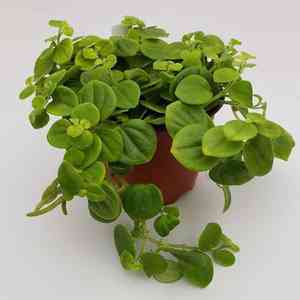
The most suitable period for relocating vining Peperomia is in the revitalizing phase of early to mid-spring, which guarantees vigorous development. Select a spot with ample, diffused illumination and, if necessary, carefully untangle any matted roots to facilitate unrestricted proliferation.
What Preparations are Needed Before Transplanting Vining Peperomia?
What is the Ideal Time for Transplanting Vining Peperomia?
The best time to move your vining Peperomia is at the start of spring. This period offers mild weather and ideal soil conditions for roots to take hold. Placing vining Peperomia in their new homes during this revitalizing phase allows them to benefit from the entire upcoming growing season. This promotes strong development and healthier, more robust plants. Gently guiding your vining Peperomia into its new setting as nature awakens ensures a smooth transition and a thriving life.
How Much Space Should You Leave Between Vining Peperomia Plants?
When relocating vining Peperomia, ensure each plant has ample room to flourish. Ideally, maintain a distance of 1-2 feet (30-60 cm) between individual plants. This guarantees they have sufficient area to expand and thrive.
What is the Best Soil Mix for Vining Peperomia Transplanting?
The perfect environment for vining Peperomia is a well-draining soil mixture with a foundational fertilizer. This aids in supplying the necessary nutrients for vining Peperomia. A combination of peat, perlite, and sand is effective. Incorporating a slow-release granular fertilizer into the mix can also be advantageous.
Where Should You Relocate Your Vining Peperomia?
Select a location with bright, yet indirect, sunlight for your vining Peperomia. They do not tolerate direct sun, which can scorch their leaves. A spot near an east or north-facing window is a suitable choice.
What Equipments Should You Prepare Before Transplantation Vining Peperomia?
Gardening Gloves
To safeguard your hands during the process of relocating the vining Peperomia plant.
Shovel
For excavating the plant from its original spot without harming the root system.
Trowel
To dig the transplanting hole where the vining Peperomia plant will be placed.
Watering Can/Hose
To hydrate the vining Peperomia plant both before and after the transplanting procedure.
Gardening Secateurs
To trim any damaged or diseased branches of the vining Peperomia plant prior to transplant.
Gardening Stakes
To offer support for the vining Peperomia to grow upwards if required.
How Do You Remove Vining Peperomia from the Soil?
How Do You Remove Vining Peperomia from the Soil?
From Ground: If your vining Peperomia plant is growing directly in the ground, first moisten the soil with water to facilitate removal. Use a shovel to carefully dig around the plant, ensuring you are far enough away to avoid damaging the root system. Work the shovel beneath the plant to lift it from the soil, making sure the root ball remains intact.From Pot: If your vining Peperomia is in a pot, first water the plant to keep the soil and roots together. Turn the pot on its side, gently hold the plant by its stems or leaves, and tap the bottom of its container until the plant slides out. Keep the root ball intact for easier transplanting.From Seedling Tray: If you're transplanting vining Peperomia sprouts from a seedling tray, water them first. Push up from the bottom of the cell or tilt the tray and tap it to release the seedlings. Hold them by their leaves to prevent damage to the stem or roots.
Step-by-Step Guide for Transplanting Vining Peperomia
Identify the Planting Depth
The correct planting depth for vining Peperomia is just below the top of the root ball. Keep this in mind when digging the transplanting hole.
Prepare the Location
Using the trowel, dig a hole that is twice as wide as the root ball. This will allow the roots of vining Peperomia to spread and establish more easily in their new home.
Transplanting
Carefully position your vining Peperomia plant in the center of the hole. Adjust the plant so it stands upright.
Filling the Hole
Cover most of the root ball by backfilling the hole with the soil previously dug up. Gently firm the soil around the base of the vining Peperomia plant. Water the plant generously.
Staking (if necessary)
If your vining Peperomia plant is a vining type, you might need to provide some support. Insert the stake into the pot at the time of planting.
How Do You Care For Vining Peperomia After Transplanting?
Watering
Keep the soil around the vining Peperomia consistently damp but not waterlogged. Regular hydration is necessary to help the vining Peperomia plant develop strong roots.
Pruning
Trim any dead or diseased parts of the vining Peperomia plant after transplanting. This will help the plant focus its energy on establishing roots in the new location.
Checking for Pests
Regularly inspect the vining Peperomia plant for any indications of pests or disease. Address any issues promptly to maintain your plant's health.
Positioning
Although the placement has been determined, care should be taken to ensure that the vining Peperomia is not experiencing any stress due to the new location. Observe the plant daily for any signs of wilting or discoloration.
Staking
Adjust the stakes as the vining Peperomia grows, tying in new growth as needed.
Troubleshooting Common Issues with Vining Peperomia Transplantation.
When is the best time to transplant my vining Peperomia?
The optimal period to move your vining Peperomia is during the S1-S2 seasons, ensuring prime growth and recovery.
What's the recommended gap between vining Peperomia plants after transplanting?
Allow a comfortable distance of 1-2 feet (30-60 cm) between each vining Peperomia plant. This ensures they have ample room to expand and thrive.
Why is my transplanted vining Peperomia showing wilted leaves?
Wilting can indicate root shock after transplant. Maintain consistent watering and avoid intense sunlight to aid recovery. They should revive in a few days!
Could my vining Peperomia's leaves turn yellow after transplant?
Yellowing leaves might suggest overwatering post-transplant. Adjust watering to keep the soil moist, not saturated. Observe the plant for improvement!
How much should I water my vining Peperomia after transplanting?
Water sufficiently to keep the soil consistently moist until the vining Peperomia is established. Never let the plant dry out completely during this critical phase.
Where should I position my vining Peperomia after transplanting for best growth?
Vining Peperomia prefers a blend of shade and natural light. Avoid direct sunlight, as it can stress and harm the transplanted plant.
Will it harm the vining Peperomia if I transplant it into a larger pot?
Moving your vining Peperomia into a bigger pot is generally beneficial, providing more space for root development. Choose a pot with a diameter about 2 inches (5 cm) larger.
How frequently should I feed my transplanted vining Peperomia?
Immediately after transplant, refrain from fertilizing. Wait 4-6 weeks (or until new growth appears), then feed lightly with a balanced, water-soluble fertilizer.
Can I transplant vining Peperomia in winters?
While it's ideal to transplant during S1-S2 seasons, indoor transplantation can occur anytime provided the indoor conditions are stable and warm.
What's the best soil mixture for my transplanted vining Peperomia?
Vining Peperomia thrives in well-draining soil. A mix of peat, compost, and perlite or coarse sand works best. This promotes healthy root growth after transplant.



