How to Transplant Royal penstemon?
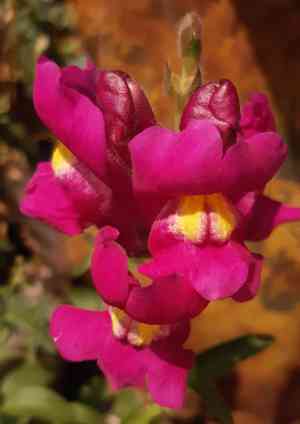
Experience the allure of royal penstemon most effectively when transplanted as winter's cold recedes and the promise of warmer days emerges. Choose a brightly lit, adequately drained location to replicate its natural elegance. To ensure successful relocation, handle with care â royal penstemon's root system prefers its original soil.
What Preparations are Needed Before Transplanting Royal Penstemon?
What is the Ideal Time for Transplanting Royal Penstemon?
The optimal period for relocating royal penstemon is at the onset of spring. This timing capitalizes on the mild weather, allowing royal penstemon's root system to firmly establish in the cooler, damp soil prior to the full intensity of summer heat. Choosing this season for your royal penstemon not only aligns with its natural growth cycle but also promises a vibrant display of flowers, as the plant can focus its energy on flourishing in its new spot rather than struggling against environmental stressors.
How Much Space Should You Leave Between Royal Penstemon Plants?
Each royal penstemon requires its own area, so aim for a separation of approximately 1-2 feet (30-60 cm) when planting. This guarantees optimal development and promotes their well-being.
What is the Best Soil Mix for Royal Penstemon Transplanting?
Royal penstemon thrive in well-draining soil to prevent excessive moisture. Prepare the soil with a foundational fertilizer, which will supply essential nutrients for a strong start. If uncertain, a general-purpose garden soil blend would be suitable.
Where Should You Relocate Your Royal Penstemon?
Royal penstemon love basking in the sun, so select a location that receives ample sunlight. However, if your region experiences intense midday sun, a spot with partial shade is ideal to prevent sun damage.
What Equipments Should You Prepare Before Transplantation Royal Penstemon?
Gardening Gloves
To safeguard your hands while handling soil and extracting the royal penstemon plant from its original position.
Shovel or Spade
To carefully excavate and lift the plant, as well as prepare an appropriate hole for transplanting.
Trowel
This smaller implement is useful for removing seedlings or plants from containers.
Wheelbarrow
To move the royal penstemon plant to its new site.
Garden Hose or Watering Can
To hydrate the royal penstemon plant before and after its relocation.
Mulch
A layer of organic material such as compost, leaves, or straw to help retain moisture and reduce weed competition in the new spot.
How Do You Remove Royal Penstemon from the Soil?
How Do You Remove Royal Penstemon from the Soil?
From Ground: First, water the royal penstemon plant to moisten the soil, making excavation easier. Next, using a spade or shovel, dig a wide circle around the plant, ensuring most of the root system remains intact. Gently lift the plant from its initial location.From The Pot: Water the plant thoroughly but allow excess water to drain. Tilt the pot sideways while holding your hand over the soil with the plant stem between your fingers. Gently tap the bottom and sides of the pot to loosen the root ball.Seedling Tray: Water the seedlings completely. Use a small trowel or similar tool to carefully scoop out the seedling, taking care to avoid root damage.
Step-by-Step Guide for Transplanting Royal Penstemon
Prep
Thoroughly water the royal penstemon plant several hours prior to the transplanting procedure.
Hole Preperation
Begin digging a hole in the new spot. The hole should be twice as wide as the root ball or pot and roughly the same depth.
Planting
Place your royal penstemon plant into the hole, ensuring the top of the root ball is level with the ground. Backfill the hole with the excavated soil and gently firm it with your hands to secure the plant.
Watering
Water the royal penstemon plant immediately after transplanting to settle the soil around its roots.
Mulching
Spread a layer of mulch around the plant, avoiding direct contact with the stem. This will help maintain soil moisture and suppress weeds.
How Do You Care For Royal Penstemon After Transplanting?
Watering
Water the royal penstemon regularly, ideally in the morning (Avoid excessive watering or waterlogged conditions).
Pruning
Remove any growth or blooms after transplanting, as this allows the royal penstemon to concentrate on establishing its roots in the new location.
Monitoring
Keep an eye on the royal penstemon and provide care as needed. Watch for any potential pests. If the plant shows signs of distress like wilting or yellowing leaves, consider consulting an expert or experienced gardener.
Troubleshooting Common Issues with Royal Penstemon Transplantation.
When is the best time to transplant the royal penstemon plant?
For optimal growing conditions, the royal penstemon should ideally be transplanted during the seasons S1-S2.
What is the ideal spacing for royal penstemon when transplanting?
For healthy growth, you should plant royal penstemon about 1-2 feet (0.3-0.6 meters) apart from each other.
What should I prepare before transplanting royal penstemon?
Before transplanting royal penstemon, prepare a well-drained soil mix, a suitably large pot or garden space, and gardening tools.
How deep should I plant royal penstemon during transplantation?
Generally, royal penstemon should be planted at the same depth they were growing before. Avoid planting too deeply.
How should I water the royal penstemon after transplanting?
After transplanting, water royal penstemon thoroughly, ensuring the water reaches the roots. Avoid overwatering to prevent root rot.
Why are my transplanted royal penstemon plants wilting?
Wilting can be a sign of transplant shock. Keep the soil moist and shade the plant for a few days.
Should I trim royal penstemon before transplanting?
Yes, it helps reduce stress on plants. However, be gentle and avoid excessive trimming to prevent damaging the plant.
What can I do if the growth of my royal penstemon is slow after transplanting?
Ensure enough sunlight, water, and nutrients. If it's still slow, try a gentle dose of an all-purpose plant fertilizer.
Can I transplant royal penstemon indoors?
Royal penstemon grows best outdoors. However, it can be grown indoors if it has a well-drained pot and adequate sunlight.
How do I take care of transplanted royal penstemon to ensure growth?
Provide the correct spacing, sun exposure, and watering. Do regular checks for pests or signs of disease.



