How to Prune Royal penstemon?
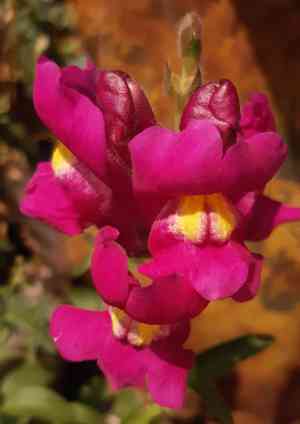
This enduring plant features elongated blossoms and flourishes in adequately drained earth. To ensure peak vitality, remove faded flowers from royal penstemon to stimulate additional blooming. After the flowering period, cut back the foliage to preserve its form and foster fresh development. Although trimming is permissible throughout the year, the most opportune moment is directly following the bloom phase. Consistent pruning deters excessive growth, encourages revitalization, and could improve the caliber of the subsequent season's flowers. Utilizing sharp tools for clean cuts averts harm and illness.
What Are the Benefits of Pruning Royal Penstemon?
What Are the Benefits of Pruning Royal Penstemon?
Trimming royal penstemon promotes abundant flowering by eliminating faded blossoms, which encourages fresh development. Reducing the plant's size can also help it maintain a compact shape, preventing excessive growth and ensuring royal penstemon thrives more vigorously and attractively.
What Is the Best Time for Pruning Royal Penstemon?
What Is the Best Time for Pruning Royal Penstemon?
Trimming royal penstemon in late winter to early spring, just prior to new growth, is advantageous as it prepares the plant for the upcoming season. This timing allows gardeners to remove winter damage and shape the plant without affecting flowering, as royal penstemon typically blooms on new wood. Pruning at this stage stimulates healthy new growth, directs the plant's energy towards strong branches, and permits wounds to heal before the growth period. Additionally, it minimizes disease transmission, as many plant pathogens are less active in colder months.
What Tools Do I Need to Prune Royal Penstemon?
Bypass Pruners
Perfect for making precise cuts on the slender stems of royal penstemon, fostering healthy regrowth and minimizing harm.
Snips or Micro-Tip Pruning Snips
Ideal for deadheading or removing faded flowers, which prompts royal penstemon to produce more blooms.
Pruning Shears
Useful for shaping royal penstemon and managing its dimensions, especially for eliminating any woody or thick stems that bypass pruners cannot handle.
How to Prune Royal Penstemon
Sterilize
Sanitize all pruning implements to prevent the spread of illness to royal penstemon.
Deadhead
Remove spent flowers from royal penstemon to encourage continuous blooming and hinder seed formation.
Diseased Parts
Carefully trim away any diseased foliage or branches from royal penstemon, ensuring clean cuts to aid healing.
Withered Leaves
Clip off any dried-up leaves from royal penstemon to maintain plant vitality and appearance.
Dead Branches
Cut back any lifeless branches on royal penstemon close to the base to stimulate new growth and enhance air circulation.
Common Pruning Mistakes with Royal Penstemon
Over-pruning
Removing an excessive amount of foliage, which can shock royal penstemon and impede its development.
Cutting into old wood
Pruning into the mature, hardened wood that might not generate new shoots, potentially harming royal penstemon's vigor.
Improper tool use
Utilizing dull or unclean tools can lead to jagged cuts that are vulnerable to disease.
Neglecting deadheading
Failing to remove faded flowers can diminish royal penstemon's strength and reduce blooming.
Ignoring plant shape
Not considering the natural form of royal penstemon when pruning can result in an unnatural look and poor growth patterns.
Common Pruning Tips for Royal Penstemon
Clean cuts
Make sharp, precise cuts at a 45-degree angle just above a leaf node for the best chance of new growth.
Selective thinning
Thin out crowded stems to improve air circulation and light penetration, which is crucial for royal penstemon's health.
Deadheading
Regularly remove spent blooms to encourage more flowers and extend royal penstemon's flowering period.
Shaping
Prune royal penstemon to maintain its natural form while managing its size; avoid over-pruning to preserve its aesthetic.
Tool maintenance
Ensure pruning tools are sharp and sterilized to prevent disease spread and to make precise cuts.



