How to Transplant Cliff beardtongue?
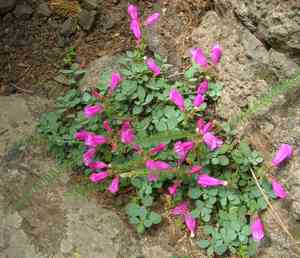
Cliff beardtongue flourishes when relocated from the beginning to the end of spring. Select a bright, adequately drained location to guarantee robust development. Ideal circumstances foster superior rooting, rendering this timeframe perfect because of gentler temperatures and sufficient ground hydration.
What Preparations are Needed Before Transplanting Cliff Beardtongue?
What is the Ideal Time for Transplanting Cliff Beardtongue?
The best period for moving cliff beardtongue, a perennial, is from the beginning to the end of spring. Relocating during this timeframe allows cliff beardtongue to establish its root system prior to summer's heat, promoting vigorous development. The milder weather and consistent moisture levels in spring offer perfect conditions to minimize transplant shock and encourage successful adaptation.
How Much Space Should You Leave Between Cliff Beardtongue Plants?
Ensure cliff beardtongue plants are spaced 12-18 inches (30-45 cm) apart. This distance will provide ample room for them to grow and flourish without becoming overcrowded.
What is the Best Soil Mix for Cliff Beardtongue Transplanting?
Prepare soil that drains well, mixed with a foundational fertilizer rich in phosphorus to support robust root growth. A loamy or sandy soil type is perfect for cliff beardtongue.
Where Should You Relocate Your Cliff Beardtongue?
Select a new planting site that receives full sunlight, at least 6-8 hours daily. Cliff beardtongue thrives in sunny locations, so ensure they get plenty of sun for optimal development.
What Equipments Should You Prepare Before Transplantation Cliff Beardtongue?
Gardening Gloves
To safeguard your hands while handling soil and plants.
Shovel or Spade
For excavating the plant and preparing the new planting site.
Trowel
To carefully dig around smaller plants and refine the transplant hole.
Bucket or Watering Can
For immediate hydration of the plant following its relocation.
Wheelbarrow
To transport the excavated plant to its new spot, especially if it's mature and large.
Mulch
To aid in moisture retention and regulate soil temperature around the newly transplanted specimen.
Stakes and Ties
To provide support for the plant if it requires stabilization during the adjustment period.
How Do You Remove Cliff Beardtongue from the Soil?
How Do You Remove Cliff Beardtongue from the Soil?
From Ground: First, hydrate the cliff beardtongue plant to moisten the earth. Next, excavate a wide trench around the plant using a shovel or spade, making sure the plant's root ball stays intact. Carefully work the spade beneath the root ball to lift the plant from its original position.From Pot: Gently water the soil before moving. Turn the container on its side and tap the base to loosen the soil. Hold the cliff beardtongue at its base and carefully slide it out, taking care not to harm the roots.From Seedling Tray: Water the young plants before transplanting to facilitate removal. Use a trowel to scoop under the root ball, gently lifting the cliff beardtongue out. If the seedlings are in individual cells, you can often push them up from the bottom.
Step-by-Step Guide for Transplanting Cliff Beardtongue
Prepare the New Site
Clear the chosen area of weeds and debris. Dig a hole that is twice as wide and as deep as the cliff beardtongue's root ball, allowing ample room for root expansion.
Amend the Soil
If needed, enrich the soil with compost or organic material to enhance drainage and nutrient content. Mix thoroughly with the existing earth.
Transplant the cliff beardtongue
Position the cliff beardtongue in the hole, ensuring the top of the root ball is level with the ground. Fill in with soil around the root ball, gently firming it down to remove air pockets.
Water Thoroughly
Water the plant immediately after transplanting to settle the soil around the roots. Ensure the soil is uniformly moist.
Apply Mulch
Spread a layer of mulch around the plant's base, but keep it away from the stem to prevent rot. This helps retain moisture and protects the roots.
How Do You Care For Cliff Beardtongue After Transplanting?
Watering
Keep the soil around the cliff beardtongue consistently damp, but not waterlogged, for the initial few weeks post-transplant to aid in establishing strong roots.
Monitoring
Observe the cliff beardtongue for any indications of stress such as wilting or yellowing foliage. Adjust irrigation levels as needed based on weather conditions.
Pruning
Trim away any damaged or dead leaves to encourage new growth and help the plant direct its energy towards root establishment.
Support
If the plant is tall or unstable, use stakes and ties to provide support until it is well-established.
Troubleshooting Common Issues with Cliff Beardtongue Transplantation.
When is the best time for transplanting cliff beardtongue?
The optimal period for relocating cliff beardtongue is from early to late spring for peak growth.
How much space should I leave between each cliff beardtongue?
Maintain a distance of 12-18 inches (30-45 cm) between each cliff beardtongue to ensure healthy development.
How often should I water cliff beardtongue after transplanting?
Water cliff beardtongue thoroughly after transplanting, keeping the soil uniformly moist but not saturated for the first few weeks.
What soil type is best for transplanting cliff beardtongue?
Cliff beardtongue thrives in well-draining soil with a slightly acidic to neutral pH for optimal health.
Can cliff beardtongue tolerate full sun after being transplanted?
Yes, cliff beardtongue prefers full sun exposure, though some afternoon shade can be beneficial in hotter climates.
Should I fertilize cliff beardtongue immediately after transplanting?
Avoid immediate fertilization. Wait several weeks to prevent root burn, then use a balanced, slow-release fertilizer.
How deep should the hole be for transplanting cliff beardtongue?
Dig a hole as deep and wide as the root ball of cliff beardtongue to accommodate growth.
Do I need to prune cliff beardtongue before transplanting?
Pruning is not essential but can lessen transplant shock. Trim back by one-third if necessary.
Will cliff beardtongue need staking after transplanting?
Staking is generally not required for cliff beardtongue unless in exceptionally windy areas to support upright growth.
How can I reduce transplant shock for cliff beardtongue?
Water thoroughly, avoid immediate fertilization, and keep the plant in a shaded area for a few days after transplanting.



