How to Transplant Big bend beardtongue?
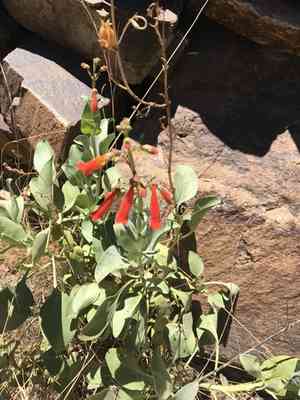
Big bend beardtongue flourishes when relocated in the prime vitality of springtime. Choose a bright, adequately drained spot to guarantee successful establishment. Supplying ample room for root development is crucial for peak proliferation.
What Preparations are Necessary Before Relocating Big Bend Beardtongue?
When is the Best Time to Move Big Bend Beardtongue?
The perfect period to relocate big bend beardtongue is from mid to late spring. This timeframe offers balanced temperatures and increased precipitation, aiding root establishment. Moving big bend beardtongue at this point promotes vigorous development and prepares the plant for the upcoming growing season, lessening transplant shock and boosting survival rates.
What is the Recommended Spacing Between Big Bend Beardtongue Plants?
When relocating big bend beardtongue, aim for a spacing of 12-18 inches (30-45 cm) between them. This provides ample room for growth and ensures adequate air circulation.
What is the Optimal Soil Blend for Big Bend Beardtongue Relocation?
Prepare soil that drains effectively for big bend beardtongue, ideally a sandy or loamy mixture. To encourage robust growth, incorporate a foundational fertilizer suitable for perennials, such as a balanced 10-10-10 (NPK) formulation.
Where Should You Replant Your Big Bend Beardtongue?
Choose a sunny spot for your big bend beardtongue. They flourish best with a minimum of 6 hours of direct sunlight daily. A location receiving full sun will help them thrive.
What Tools Should You Get Ready Before Relocating Big Bend Beardtongue?
Gardening Gloves
To safeguard your hands while handling soil and plants.
Shovel or Spade
To excavate around and lift the plant from its initial spot.
Garden Trowel
For more precise digging and relocation tasks.
Watering Can or Hose
To hydrate the plant before and after its move.
Wheelbarrow
To move the plant if it is large or heavy.
Mulch
To assist in retaining moisture around the new planting site.
How Do You Extract Big Bend Beardtongue from the Ground?
How Do You Extract Big Bend Beardtongue from the Ground?
From Ground: First, hydrate the big bend beardtongue plant to moisten the soil. Next, dig a wide trench around the plant using a shovel or spade, ensuring the plant's root ball remains intact. Carefully work the spade beneath the root ball to lift the plant from its original position.From Pot: Water the big bend beardtongue plant thoroughly several hours prior to relocation. Gently tilt the pot and tap its sides to loosen the soil. Carefully slide the plant out, supporting the root ball with your hands.From Seedling Tray: Water the seedlings before removal. Use a garden trowel to gently lift the big bend beardtongue seedlings from the tray, being cautious of their delicate roots.
Step-by-Step Guide for Relocating Big Bend Beardtongue
Site Preparation
Prepare the new planting area by loosening the soil with a shovel or garden fork. Create a hole that is twice as wide and equal in depth to the plant's root ball.
Relocation
Position the big bend beardtongue plant in the hole, ensuring the top of the root ball is level with the surrounding soil. Backfill the hole with soil, gently firming it around the plant's base to eliminate air pockets.
Initial Watering
Thoroughly water the big bend beardtongue plant after relocation to help settle the soil and reduce transplant shock. Ensure the water penetrates deeply into the root zone.
Mulch Application
Apply a layer of mulch around the base of the big bend beardtongue plant to help retain moisture and regulate soil temperature. Keep the mulch a few inches away from the plant stem to prevent rot.
How Do You Care For Big Bend Beardtongue After Relocation?
Watering
Keep the soil around the big bend beardtongue consistently moist, but not waterlogged, for the initial weeks after relocation to aid in developing strong roots.
Protection
Provide some shade if the weather is extremely hot or sunny to lessen stress on the big bend beardtongue plant during its initial adjustment period.
Monitoring
Regularly inspect the big bend beardtongue plant for indications of stress, such as wilting or yellowing leaves. Address any issues promptly to ensure healthy growth.
Pruning
Remove any damaged or dead leaves and stems to help the big bend beardtongue plant direct its energy towards establishing its roots.
Troubleshooting Common Issues with Big Bend Beardtongue Relocation.
When is the best time to relocate big bend beardtongue?
Mid to late spring is ideal for relocating big bend beardtongue, ensuring optimal growth and establishment.
How much spacing should I leave between each big bend beardtongue?
Leave 12-18 inches (30-45 cm) between each big bend beardtongue to allow sufficient room for growth.
How deep should the hole be for relocating big bend beardtongue?
Dig a hole about twice the size of the root ball to encourage root expansion.
What type of soil is ideal for relocating big bend beardtongue?
Well-drained, sandy soil is best for big bend beardtongue, preventing root rot and promoting healthy growth.
How can I minimize relocation shock for big bend beardtongue?
Water the plant well the day before relocating and handle the roots gently.
How often should I water big bend beardtongue after relocating?
Water big bend beardtongue thoroughly after relocating and keep the soil consistently moist for the first few weeks.
Should I fertilize big bend beardtongue immediately after relocating?
Wait at least a few weeks before fertilizing to allow the plant to adjust and avoid stress.
How much sunlight does big bend beardtongue require post-relocation?
Big bend beardtongue thrives in full sun, so choose a location that receives at least 6 hours of light daily.
Can I relocate big bend beardtongue during hot weather?
It's best to avoid relocating during extreme heat; mid to late spring is optimal.
What precautions should I take if relocating big bend beardtongue in pots?
Ensure pots have good drainage, and use a sandy, well-drained soil mix for optimal growth.



