How to Prune Big bend beardtongue?
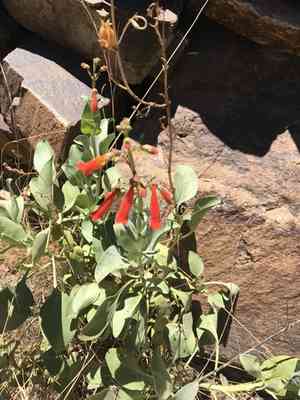
Penstemon big bend is a unique floral species recognized for its elevated stalks and vivid blossoms. Essential trimming practices involve removing faded flowers to stimulate additional flowering and severing aged stems to foster fresh development. The ideal period for pruning is in late winter or early spring, prior to the appearance of new shoots. Consistent trimming aids in preserving the plant's form and vitality, diminishing disease susceptibility by enhancing air movement near the plant's base.
What Are the Benefits of Pruning Big Bend Beardtongue?
What Are the Benefits of Pruning Big Bend Beardtongue?
Trimming big bend beardtongue encourages robust development and maintains its form. It fosters strong, healthy branches, decreases the chance of pest and disease outbreaks, and boosts flowering by eliminating faded blossoms and any dead or crowded shoots.
What Is the Best Time for Pruning Big Bend Beardtongue?
What Is the Best Time for Pruning Big Bend Beardtongue?
Trimming big bend beardtongue in late winter or early spring is optimal as it allows the plant to recover and promotes vigorous new growth during its active period. Pruning at these times also helps prevent disruption of blooming cycles and ensures the plant stays healthy and strong. This timing aligns with the plant's natural dormant phase, minimizing stress and lowering disease risk.
What Tools Do I Need to Prune Big Bend Beardtongue?
Hand Pruners
Perfect for making clean cuts on small stems and removing spent flowers. Their sharp blades ensure minimal harm to the plant.
Bypass Pruners
Most suitable for precise and clean cuts, especially when trimming live stems. The bypass action reduces crushing damage to the stem.
Pruning Shears
Useful for more extensive trimming tasks and for managing the plant's shape. Their size and leverage make them effective for thicker stems.
Pruning Saw
For cutting larger stems or branches if needed. Its serrated blade allows for smooth cutting without tearing the plant tissue.
Disinfectant Wipes
Crucial for cleaning tools between cuts to prevent disease spread. Sterilizing tools ensures a healthy plant.
How to Prune Big Bend Beardtongue
Inspect
Examine big bend beardtongue for any diseased or withered leaves. Use sanitized pruning shears to avoid spreading plant diseases.
Identify
Pinpoint areas where leaves appear discolored, wilted, or damaged. Confirm these symptoms are localized and not indicative of a broader health issue.
Remove
Carefully cut away diseased leaves at their base where they meet healthy tissue. Ensure the cut is clean to promote healing and prevent further plant stress.
Dispose
Discard the removed leaves in a manner that prevents disease spread, such as sealing them in a bag and properly disposing of them, rather than composting.
Monitor
Keep an eye on big bend beardtongue for any signs of new disease or stress. Regularly check the plant and repeat pruning as needed to maintain plant health.
Common Pruning Mistakes with Big Bend Beardtongue
Improper technique
Using dull or unsuitable tools can cause jagged cuts and harm the plant. Ensure your pruning shears are sharp and clean for precise cuts.
Over-pruning
Removing too much foliage can stress the plant and impede its growth and flowering capacity. Gradually remove no more than one-third of the plant's foliage at a time.
Incorrect timing
Pruning at the wrong stage of the plant's growth cycle can disrupt blooming and affect the plant's overall health. Focus on removing dead or damaged stems whenever you notice them, and avoid extensive pruning during periods of active growth.
Not removing spent flowers
Failing to deadhead spent blooms can lead to energy being diverted into seed production rather than new growth and flowering.
Ignoring diseased or damaged stems
Leaving unhealthy parts on the plant can spread disease and inhibit growth. Always remove any diseased or damaged stems promptly.
Common Pruning Tips for Big Bend Beardtongue
Use proper tools
Invest in a good pair of sharp, clean pruning shears. Sterilize the tools before use to prevent the spread of disease.
Maintain plant shape
Gently shape the plant to maintain its natural form and encourage more compact, bushy growth. This helps in producing more flowers.
Deadhead regularly
Remove spent flowers to encourage the plant to produce new blooms, thus prolonging the flowering period.
Remove old wood
Cut out any old, woody stems to allow for new vigorous growth. This will rejuvenate the plant and enhance its overall health.
Monitor plant health
Consistently check the plant for any signs of disease or pest infestation. Removing affected parts early can help keep the rest of the plant healthy.
Consider plant stress
Be gentle with the plant, especially if it is young or recovering from disease or damage. Avoid heavy pruning all at once and space out any significant cuts to reduce stress.



