How to Transplant Guadalupe beardtongue?
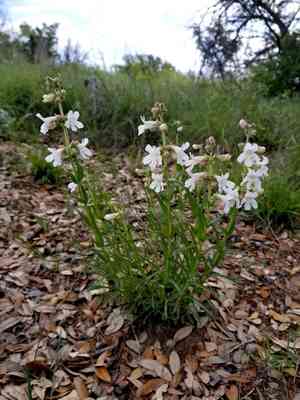
For guadalupe beardtongue, the ideal period for relocation is in the peak development phases of early to mid-spring, guaranteeing robust development and reduced stress. Select a bright, adequately drained spot for superior outcomes. Further transplanting advice is typically not required.
What Preparations are Needed Before Transplanting Guadalupe Beardtongue?
What is the Ideal Time for Transplanting Guadalupe Beardtongue?
The best time to move guadalupe beardtongue is from early to mid-spring. This timing allows the perennial to establish its root system before the intense heat of summer. Moving it in early spring provides guadalupe beardtongue with optimal soil moisture, reduced stress, and a longer growing season to mature and flourish.
How Much Space Should You Leave Between Guadalupe Beardtongue Plants?
When transplanting guadalupe beardtongue, ensure plants are spaced 12-18 inches (30-45 cm) apart. This provides ample room for growth without competition for resources.
What is the Best Soil Mix for Guadalupe Beardtongue Transplanting?
Prepare soil that drains well, enriched with organic compost or a balanced base fertilizer to supply essential nutrients. Aim for a slightly sandy soil to replicate guadalupe beardtongue's natural environment.
Where Should You Relocate Your Guadalupe Beardtongue?
Guadalupe beardtongue flourishes in full sunlight. Select a spot that receives at least 6-8 hours of direct sun daily to ensure robust development.
What Equipments Should You Prepare Before Transplantation Guadalupe Beardtongue?
Gardening Gloves
To safeguard your hands while handling soil and the plant.
Trowel
For carefully digging around the plant and creating the new planting hole.
Shovel or Spade
To dig a wide trench and lift the plant from its original spot.
Watering Can or Hose
For hydrating the plant before and after its relocation.
Compost or Organic Matter
To enrich the soil and support the plant's development.
Bucket or Container
To move the plant if necessary.
How Do You Remove Guadalupe Beardtongue from the Soil?
How Do You Remove Guadalupe Beardtongue from the Soil?
From Ground: First, moisten the guadalupe beardtongue plant's soil with water. Then, use a shovel or spade to dig a wide trench around the plant, ensuring the root ball remains intact. Carefully work the spade beneath the root ball to lift the plant from its initial location.From Pot: Water the guadalupe beardtongue plant thoroughly to ensure the soil is damp. Turn the pot on its side and gently tap the edges to loosen the soil. Slide the plant out, supporting the base to keep the root ball whole. If it's stuck, run a trowel around the pot's rim to free it.From Seedling Tray: Water the seedlings well before handling. Carefully lift each guadalupe beardtongue seedling from the tray using a trowel or your fingers, taking care not to harm the delicate roots. If they are in cells, gently squeeze the bottom of the cell to release the seedling.
Step-by-Step Guide for Transplanting Guadalupe Beardtongue
Hole Preparation
Dig a hole twice as wide and the same depth as the root ball of the guadalupe beardtongue plant. A wider hole encourages roots to spread more easily in their new home.
Amending Soil
Incorporate some compost or organic matter into the hole to supply nutrients for the guadalupe beardtongue plant during its initial growth phase.
Placing the Plant
Gently position the guadalupe beardtongue plant in the center of the hole. Ensure the top of the root ball is level with the surrounding soil surface.
Filling the Hole
Backfill the hole with the soil-compost mixture, pressing down gently to eliminate air pockets. Be careful not to compact the soil too tightly around the root ball.
Watering
Water the guadalupe beardtongue plant thoroughly after transplanting to help the soil settle around the roots and remove any remaining air pockets.
How Do You Care For Guadalupe Beardtongue After Transplanting?
Watering
Keep the soil around the guadalupe beardtongue consistently moist, but not waterlogged, for the first few weeks post-transplant to aid in root establishment.
Mulching
Apply a layer of mulch around the base of the guadalupe beardtongue to help retain soil moisture and suppress weed growth.
Monitoring
Observe the guadalupe beardtongue closely for the initial few weeks. Watch for any signs of stress such as wilting or yellowing leaves and adjust care as needed.
Protection
Consider installing a temporary windbreak or providing shade if the weather is particularly hot or windy to safeguard the newly transplanted guadalupe beardtongue plant.
Troubleshooting Common Issues with Guadalupe Beardtongue Transplantation.
When is the best time to transplant guadalupe beardtongue?
Early to mid-spring is optimal for moving guadalupe beardtongue to ensure vigorous growth.
How much spacing is needed for guadalupe beardtongue?
Space guadalupe beardtongue plants 12-18 inches (30-45 cm) apart for ideal development.
How deep should I plant guadalupe beardtongue?
Plant guadalupe beardtongue at the same depth it was previously growing to prevent stress.
What type of soil is best for guadalupe beardtongue?
Well-draining soil with a neutral to slightly alkaline pH is perfect for guadalupe beardtongue.
How can I reduce transplant shock for guadalupe beardtongue?
Water thoroughly before and after moving guadalupe beardtongue to minimize shock and ensure hydration.
Should I fertilize guadalupe beardtongue after transplanting?
Wait a few weeks after transplanting before applying a balanced fertilizer to guadalupe beardtongue.
What size should the transplant hole be for guadalupe beardtongue?
Make the hole twice the width of the root ball to comfortably accommodate guadalupe beardtongue.
How often should I water guadalupe beardtongue after transplanting?
Water guadalupe beardtongue deeply once a week to establish roots, avoiding excessive watering.
Can guadalupe beardtongue handle full sun after transplanting?
Guadalupe beardtongue thrives in full sun, ensuring at least 6 hours of daily sunlight post-transplant.
What should I do if guadalupe beardtongue shows signs of wilting post-transplant?
Increase watering and provide temporary partial shade to help guadalupe beardtongue recover from wilting.



