How to Prune Guadalupe beardtongue?
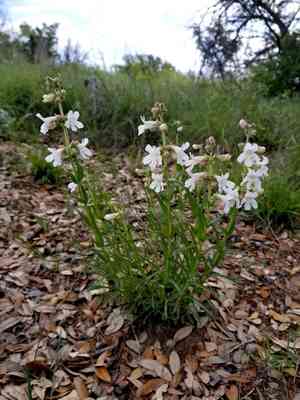
Guadalupe beardtongue is a perennial species recognized for its vivid blossoms and distinctive leaves. The most effective periods for trimming Guadalupe beardtongue are late winter and early spring, when the plant is inactive or just starting to develop. Eliminate any deceased or compromised stalks to stimulate fresh development and enhance air movement. Trimming also assists in preserving the plant's form and fosters a more prolific flowering period. Consistent trimming can avert excessive density and diminish the likelihood of illness, guaranteeing a more thriving plant.
What Are the Benefits of Pruning Guadalupe Beardtongue?
What Are the Benefits of Pruning Guadalupe Beardtongue?
Guadalupe beardtongue thrives with trimming, which encourages robust development and maintains its form. It boosts blooming, manages size, and enhances appearance, while lowering risks from pests and diseases. Pruning ensures peak health and visual appeal.
What Is the Best Time for Pruning Guadalupe Beardtongue?
What Is the Best Time for Pruning Guadalupe Beardtongue?
Trimming guadalupe beardtongue in late winter or early spring is optimal due to its growth and flowering cycle. These periods allow for the removal of dead or damaged stems before new growth emerges, ensuring the plant starts its active season robustly. Early spring pruning also stimulates vigorous growth and blooming later in the season, as it eliminates spent flower stalks and promotes the development of fresh shoots. Furthermore, pruning at these times minimizes the chance of disease and pest infestations, preserving the plant's overall health and aesthetics.
What Tools Do I Need to Prune Guadalupe Beardtongue?
Hand Pruners
Perfect for making neat, accurate cuts on stems and smaller branches of guadalupe beardtongue. Bypass pruners are preferred for cutting live, green wood to avoid crushing plant tissue.
Pruning Shears
Useful for more extensive trimming tasks, capable of handling medium-sized stems of guadalupe beardtongue with ease. Ensure blades are sharp to minimize plant damage.
Loppers
Suitable for cutting thicker or older stems of guadalupe beardtongue that hand pruners or shears cannot manage. Bypass loppers are generally recommended for clean cuts.
Pruning Saw
Required for any larger branches or if guadalupe beardtongue has particularly woody growth. A fine-toothed saw is preferred for more delicate work.
Gloves
Crucial for protecting hands from any thorny or rough foliage while trimming guadalupe beardtongue.
Disinfectant
Apply to tools before and after pruning guadalupe beardtongue to prevent the spread of any potential plant illnesses.
How to Prune Guadalupe Beardtongue
Identification
Examine guadalupe beardtongue thoroughly to pinpoint any diseased or withered leaves.
Sanitization
Sterilize pruning tools by dipping them in a solution of 1 part bleach to 10 parts water to prevent disease transmission.
Removal
Carefully detach diseased leaves by cutting them at the base where they meet the stem, ensuring complete removal to stop disease spread.
Withered leaves
Trim dried leaves by cutting close to the base, making sure not to harm the stems or healthy foliage.
Disposal
Properly discard the removed leaves, either by burning them or placing them in a sealed bag to prevent any potential contamination.
Common Pruning Mistakes with Guadalupe Beardtongue
Incorrect technique
Using dull or dirty trimming tools can harm plant tissue, increasing susceptibility to disease and pest infestations.
Improper timing
Trimming at the wrong time can lead to reduced flowering and heightened vulnerability to frost damage.
Over-pruning
Removing too much of the plant can stress guadalupe beardtongue, resulting in stunted growth and fewer blooms.
Ignoring plant structure
Failing to consider the natural form and growth habit of guadalupe beardtongue can result in an unattractive appearance and weaker overall structure.
Pruning old wood
Cutting into old, woody stems instead of targeting green, active growth can impede guadalupe beardtongue's ability to recover and flourish.
Common Pruning Tips for Guadalupe Beardtongue
Sharp and clean tools
Always use sharp, clean pruning shears to make precise cuts and prevent the spread of disease.
Target weak and damaged stems
Focus on removing weak, damaged, or diseased stems first to encourage healthy new growth.
Promote airflow
Thin out crowded areas to improve air circulation, which helps prevent fungal diseases and promotes healthy growth.
Maintain plant shape
Follow the natural growth pattern of guadalupe beardtongue by pruning selectively to maintain its natural shape and avoid over-pruning.
Deadheading
Regularly remove spent flowers to encourage continuous blooming and prevent the plant from putting energy into seed production.



