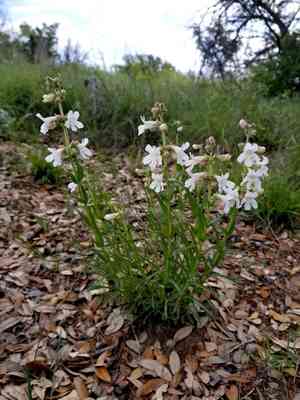
Guadalupe beardtongue (Penstemon guadalupensis)
Also known as: Guadalupe Beardtongue
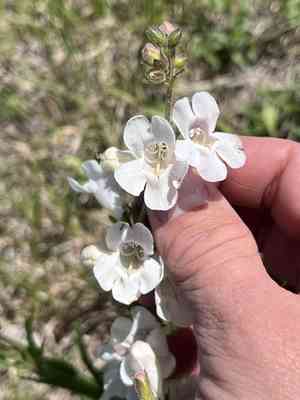
The plant in question is the Penstemon, commonly known as beardtongue. This perennial herb features upright stems and slender, lanceolate leaves. Its striking tubular flowers, often in shades of purple or blue, attract numerous pollinators. Penstemon thrives in the well-drained soils typical of high desert and mountainous regions and demonstrates remarkable drought resistance, making it an excellent choice for xeriscaping. Its vibrant blooms and adaptability highlight its natural resilience in arid environments.
In This Article
Attributes of Guadalupe beardtongue
Lifespan
Perennial
Plant Height
30 cm to 91 cm
Spread
0.5 to 1 foot (15 to 30 cm)
Leaf Color
Green to gray-green
Flower Size
0.5 to 1 inch (1.2 to 2.5 cm)
Flower Color
Pink, purple, blue
Images of Guadalupe beardtongue
Quickly Identify Guadalupe beardtongue
1
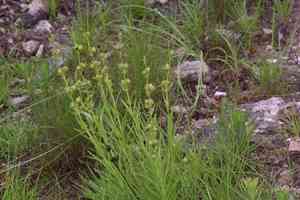
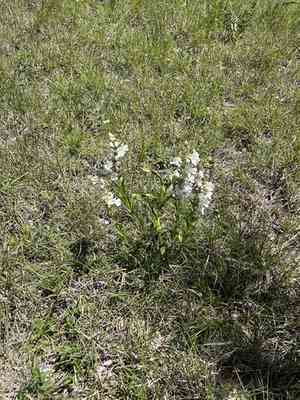
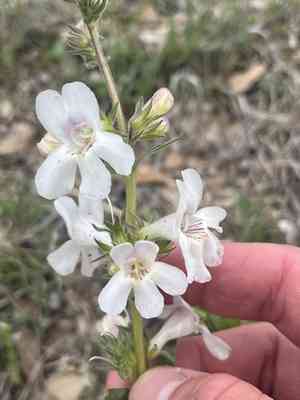
Penstemon guadalupensis can be identified by its tall, erect stems topped with clusters of tubular flowers. The flowers typically have a two-lipped structure with long, protruding stamens. Leaves are opposite, lanceolate, and sometimes have toothed edges.
Scientific Classification of Guadalupe beardtongue
Phylum
Vascular plants
Class
Dicotyledons
Order
Lamiales
Family
Plantain
Genus
Penstemon
Species
Guadalupe beardtongue
Planting and Growing of Guadalupe beardtongue
Care Difficulty
Moderate
Watering Schedule
Every 3 days
Sunlight Requirements
Full sun
Sunshine Duration
4-8 hours
Ideal Temperature
60-75℉
Soil Type
Potting Mix, Peat Mix
Soil pH
6.5-7.5
Fertilizer Type
Balanced
Pruning Season
Spring, Summer
Pruning Area
Branches, Leaves
Pruning Frequency
2 times a year
Repotting Season
Spring
Pot Type
Plastic, Ceramic
 How to Water Guadalupe beardtongue?
Penstemon guadalupensis prefers well-drained soil, so water thoroughly until you see some drainage. This typically means around 300ml per watering session, ensuring the soil is saturated but not waterlogged.
What are the symptoms of an underwatered Guadalupe beardtongue?
›
What should I do if my Guadalupe beardtongue is not getting enough water?
›
What are the symptoms of an overwatered Guadalupe beardtongue?
›
How to save an overwatered Guadalupe beardtongue?
›
 What Are the Sunlight Requirements for Guadalupe beardtongue?
Penstemon guadalupensis thrives in full to partial sun environments. Offering it ample sunlight ensures vibrant blooms, robust foliage, and resistance to common plant stresses.
How much sunlight does Penstemon guadalupensis need?
›
What is the best way to achieve ideal sunlight exposure?
›
What benefits does ideal sunlight provide?
›
 What Is the Ideal Temperature Range for Guadalupe beardtongue?
The ideal temperature range for Penstemon guadalupensis is between 60°F to 75°F. Within this range, the plant can thrive and exhibit optimal growth, as these temperatures closely mimic its native habitat conditions. Maintaining this range ensures the plant’s metabolic processes function efficiently, supporting vigorous foliage and vibrant blooms.
 What Soil is Best for Guadalupe beardtongue?
Penstemon guadalupensis thrives in well-draining soil to prevent root rot. This type of soil allows excess water to escape quickly, ensuring that the roots have ample access to oxygen, necessary for healthy growth. The plant demands a soil substrate that is rich in organic matter, which supports robust growth and vibrant blooms. Using compost or well-aged manure can provide essential nutrients for optimal health. While drainage is crucial, the soil should retain enough moisture to sustain the plant between waterings. Incorporating components like peat or coco coir can help maintain a balanced moisture level.
 How to Fertilize Guadalupe beardtongue?
For Penstemon guadalupensis, applying a balanced liquid fertilizer at half the recommended strength is advised during its growing seasons. A light hand is key, as excessive nutrients can be detrimental. Aim for 1 teaspoon per gallon of water for garden applications.
 How to Prune Guadalupe beardtongue?
Start by cleaning your tools with rubbing alcohol. Focus on deadheading spent flowers to promote reblooming. Cut back stems to a leaf node to maintain shape. Regularly check for wayward stems and trim them back to ensure a neat appearance. Timing is crucial when pruning Penstemon guadalupensis. Perform major cuts in late winter before new growth starts, and continue light pruning throughout the growing season to manage size and shape.
More About Pruning Techniques→
 How to Propagate Guadalupe beardtongue plant?
1
Fill the seed tray with a well-draining potting mix. Scatter Penstemon guadalupensis seeds on the surface and lightly cover them with soil. Water gently to moisten the soil.
2
Select healthy stems from the parent plant. Use sharp pruning shears to take tip cuttings about 10 cm long. Remove lower leaves to prevent rot when planted.
3
Dip the cut end of the stem in rooting hormone. Plant the cutting in a pot filled with moist potting mix. Place the pots in a warm and humid environment.
 How to Repot Guadalupe beardtongue plant?
1
Repotting Penstemon guadalupensis is best done in early spring or summer. Look for signs such as roots growing out of the drainage holes, or the plant becoming top-heavy and unbalanced. These are clear indicators that your plant needs a more spacious home.
2
Select a pot that is 1-2 inches larger in diameter than the current one. Ensure it has adequate drainage holes to prevent overwatering. The new pot's slightly larger size will encourage root growth, while proper drainage helps maintain healthy root systems, avoiding rot.
3
Opt for a well-draining soil mix composed of a blend of potting soil, perlite, and coarse sand. This combination ensures proper aeration, prevents water stagnation, and provides the roots with the ideal environment to thrive. A good mix minimizes root diseases and promotes healthy growth.



