How to Transplant Large beardtongue?
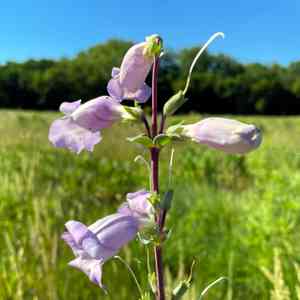
Select late spring's warmth or the onset of early summer for relocating large beardtongue, as moderate temperatures aid root development. Pick a sunny location featuring soil that drains effectively, and if planting several, provide ample room for peak growth.
What Preparations are Needed Before Transplanting Large Beardtongue?
What is the Ideal Time for Transplanting Large Beardtongue?
The optimal period for relocating large beardtongue is at the onset of warmer weather, typically spanning from late spring to early summer. This timing leverages mild conditions, fostering strong root development. Allowing large beardtongue a summer to establish before winter aids its vigorous growth, ensuring a vibrant garden display.
How Much Space Should You Leave Between Large Beardtongue Plants?
First, ensure your large beardtongue plants are spaced approximately 1-3 feet (0.3-0.9 meters) apart. This provides ample room for growth while maintaining sufficient proximity for mutual support.
What is the Best Soil Mix for Large Beardtongue Transplanting?
Next, for successful transplanting, prepare soil that drains well and is enriched with organic matter. Incorporate a foundational fertilizer like compost or aged manure; this will nourish your large beardtongue and encourage healthy development.
Where Should You Relocate Your Large Beardtongue?
Finally, select a site that offers full sunlight to your large beardtongue. This plant thrives with abundant sun exposure. While it can endure partial shade, a sun-drenched location is most favorable.
What Equipments Should You Prepare Before Transplantation Large Beardtongue?
Hand Trowel
For excavating the plant from its current spot and digging a new hole in the designated planting area.
Gardening Gloves
To safeguard your hands while handling soil and plants.
Garden Shears
To trim any dead or damaged foliage from the large beardtongue.
Watering Can
To hydrate the large beardtongue both before and after its relocation.
Root Stimulating Hormone
This optional product promotes root development and helps ensure a successful transplant.
Wheelbarrow
For effortless transportation of the plant from its original site to the new one.
How Do You Remove Large Beardtongue from the Soil?
How Do You Remove Large Beardtongue from the Soil?
From Ground: Begin by thoroughly watering the large beardtongue plant in its initial location. This facilitates easier removal. Using a hand trowel, carefully dig around the plant's base, taking care not to harm the roots. Preserve as much of the root ball as possible. You can then place the plant into a wheelbarrow for transfer to the new site.From Pot: Extract the large beardtongue plant from its container by gently inverting it while supporting the plant. Carefully pull the pot away, ensuring no damage to the roots. If the plant resists, tap the pot's bottom to loosen it.From Seedling Tray: If the large beardtongue plant is a seedling in a tray, gently ease it out. Lift it from beneath the leaves and stem, avoiding pulling from the top. This minimizes the risk of harming the young plant.
Step-by-Step Guide for Transplanting Large Beardtongue
Preparations
Ensure the new planting site is ready before you start. The location should have good drainage and ample room for the large beardtongue plant to grow.
Dig Hole
Excavate a hole that is twice the width and the same depth as the large beardtongue plant's existing root ball. This provides sufficient space for root expansion.
Insert Plant
Position the large beardtongue plant in the hole, making sure the top of the root ball is level with or slightly above the surrounding soil.
Backfill
Refill the hole around the plant, gently pressing the soil to eliminate any air pockets.
Water
Thoroughly water the large beardtongue after transplanting. This helps settle the soil around the root ball and rehydrates the plant.
How Do You Care For Large Beardtongue After Transplanting?
Watering
Maintain consistent moisture for the large beardtongue during the initial weeks post-transplantation. The soil should remain damp, but not waterlogged. Excessive watering can lead to root rot.
Pruning
Light pruning of the large beardtongue after transplanting is acceptable. This reduces the strain on the roots as they establish in their new environment.
Monitoring
Closely observe your large beardtongue for the first few weeks. Any wilting or discolored leaves may signal shock, requiring prompt attention to watering and potentially providing shade to the plant.
Troubleshooting Common Issues with Large Beardtongue Transplantation.
What's the right time to transplant large beardtongue?
Transplanting large beardtongue is best done during the late summer to early autumn, aligning with their specific growth cycle.
What is the recommended space between each large beardtongue during transplantation?
When transplanting large beardtongue, aim for a spacing of about 1-3 feet (30-90 cm) between each plant to encourage healthy development.
Why are my large beardtongue plants wilted post-transplanting?
Large beardtongue plants may wilt if they are experiencing water stress. Ensure you maintain an appropriate watering schedule, especially during the initial weeks.
How deep should I plant large beardtongue during transplantation?
You should plant large beardtongue at a depth equivalent to its original pot. This approach typically leads to better establishment.
Why are the lower leaves of my transplanted large beardtongue yellow?
This could be due to overwatering or poor drainage, leading to root rot. Confirm that the large beardtongue is planted in well-draining soil.
Can I transplant large beardtongue plants in the early spring?
While feasible, transplanting large beardtongue in early spring is less optimal than late summer to early autumn for their growth cycle.
What conditions does the soil need for transplanting large beardtongue?
Large beardtongue thrives in sandy or loamy soil with good drainage. A sunny location with some partial shade is also beneficial for its growth.
My transplanted large beardtongue is not blooming. What could be the cause?
This might be due to stress from the transplantation or insufficient sunlight. Ensure large beardtongue receives at least partial sun exposure.
Should I add any fertilizer when transplanting large beardtongue?
Although large beardtongue is not highly demanding, you can incorporate a thin layer of compost or a balanced slow-release fertilizer during transplantation to stimulate growth.
My large beardtongue looks stunted after I transplanted it. Why?
It's probable that large beardtongue is still adjusting to its new surroundings. Verify that you are following proper aftercare, such as watering, and that the soil drains adequately.



