How to Prune Large beardtongue?
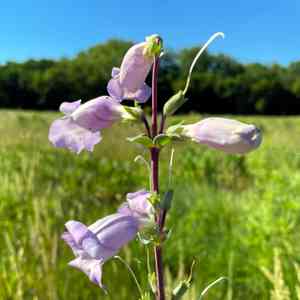
Valued for its substantial, elongated blossoms and imposing structure, large beardtongue thrives with judicious trimming. Deadhead faded flowers consistently during the active growth period to foster continuous blooming. Cut back stalks once flowering concludes, typically in late summer or autumn, to preserve its form and inhibit unwanted seed dispersal. Pruning in early spring can revitalize large beardtongue by eliminating aged, lignified sections. This practice not only stimulates fresh development but also improves the plant's general well-being and floral presentation.
Advantages of Trimming Large Beardtongue
Advantages of Trimming Large Beardtongue
Trimming large beardtongue promotes a more abundant floral display, stimulates the plant's growth response, and maintains its desired shape while preventing it from becoming overgrown.
Optimal Timing for Pruning Large Beardtongue
Optimal Timing for Pruning Large Beardtongue
The best times for pruning large beardtongue align with periods of either active development or post-flowering dormancy. In late spring and early summer, large beardtongue experiences vigorous growth, and pruning can help shape it, encourage denser foliage, or remove winter damage. Trimming then minimizes stress on large beardtongue, allowing it to heal quickly and reallocate energy to new growth. Pruning in late fall, after blooming, helps remove spent flowers and seed heads, preventing unwanted self-seeding and tidying the plant before winter. It also reduces the chance of fungal diseases, which are more common on damaged or dead tissue in wet, cold conditions. Gardeners should avoid pruning large beardtongue in late summer to allow new growth to harden before frost, and in winter when the plant is dormant and wounds heal slowly.
Tools Required for Pruning Large Beardtongue
Bypass Pruners
Perfect for making clean cuts on large beardtongue's stems. These pruners operate like scissors, offering precision without crushing plant tissue.
Gardening Gloves
Protects hands from scrapes and improves grip when trimming large beardtongue.
Pruning Saw
Useful for cutting through thicker, woody stems that bypass pruners cannot manage.
Hand Shears
Ideal for shaping large beardtongue and efficiently trimming small, soft growth.
How to Prune Large Beardtongue
Sanitize tools
Before beginning, it's essential to sanitize pruning tools with isopropyl alcohol or a 10% bleach solution to prevent disease spread to large beardtongue.
Remove diseased leaves
Carefully snip off any diseased leaves from large beardtongue by making clean cuts at their base with sanitized, sharp scissors or pruners to prevent further infection.
Trim withered leaves
Identify and remove withered leaves from large beardtongue. Cut them at the base where they meet the stem or just above the next healthy leaf node to stimulate new growth.
Deadhead flowers
Remove spent flowers by pinching or snipping the flower stalk below the faded bloom and just above the first set of healthy leaves. This encourages continuous blooming during the growing season.
Common Pruning Errors with Large Beardtongue
Excessive pruning
Removing too much foliage at once can stress large beardtongue, leading to weak development and susceptibility to pests and diseases.
Cutting into old wood
Pruning into the old, woody stems may not result in new growth as large beardtongue typically produces new shoots from the base or the soft, green parts of the stems.
Pruning during flowering
Cutting back large beardtongue while it's blooming can significantly reduce the number of flowers and overall display quality.
Uneven cuts
Making jagged or uneven cuts can harm large beardtongue by creating entry points for pathogens and hindering the plant's ability to heal properly.
Using dull tools
Utilizing blunt pruning shears can damage the stems of large beardtongue, causing unnecessary harm and leaving rough edges.
General Pruning Advice for Large Beardtongue
Selective pruning
Remove only the spent flower stalks and damaged or dead stems to promote a neat appearance and prevent unwanted self-seeding, without compromising the health of large beardtongue.
Clean tools
Ensure pruning shears are clean and sharp to make precise cuts that will heal quickly and minimize the risk of disease infection in large beardtongue.
Cut at node
Make cuts just above a leaf node or set of leaves to encourage large beardtongue to produce new branching and thus more flowers the following season.
Thin out
Thin out crowded stems to increase air circulation, which helps reduce the risk of fungal diseases and encourages stronger, thicker growth of large beardtongue.
Aftercare
Provide sufficient water and possibly a light feed after pruning to help large beardtongue recover and support the growth of new shoots.



